
Reviewed · HUATULCO TOURS
Ocean Eco Adventure with Marine Biologist Guides
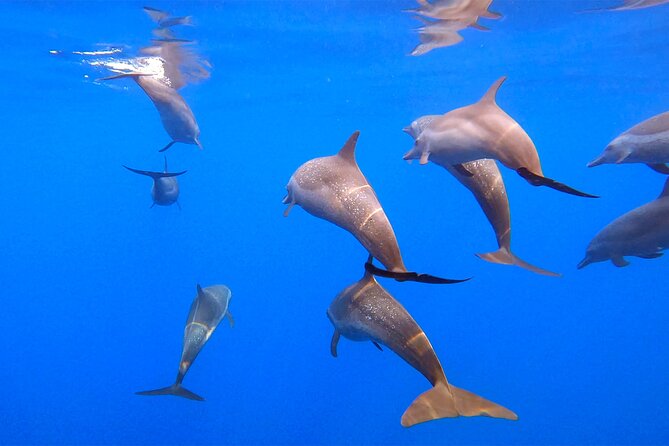
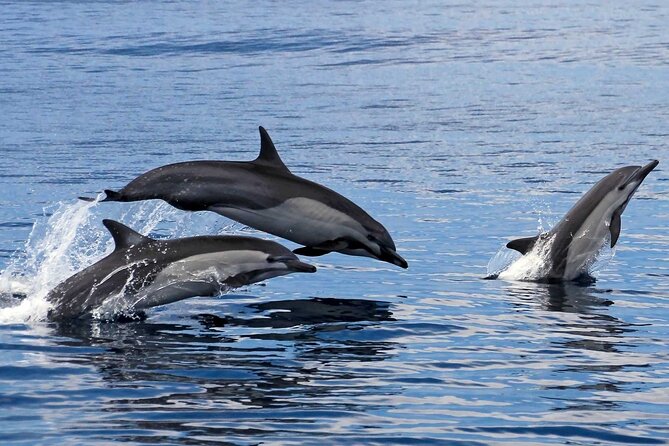
Huatulco’s best wildlife viewing happens miles offshore, and this small-boat trip makes that search the main event. You may see dolphins, olive ridley turtles, manta rays, and, from December through March, humpback whales. The boat then returns along the coast for reef snorkeling and a tour of Huatulco National Park’s striking bays.
I like the small groups, often around eight guests with two or three crew members, and the fact that your guides are marine biologists who explain animal behavior rather than simply pointing at fins. I also like the quiet snorkeling stops, away from the larger party boats. The tradeoff is a long ride on open water, and the Pacific can get rough. If motion sickness finds you easily, prepare before boarding.
Key points to know before you book
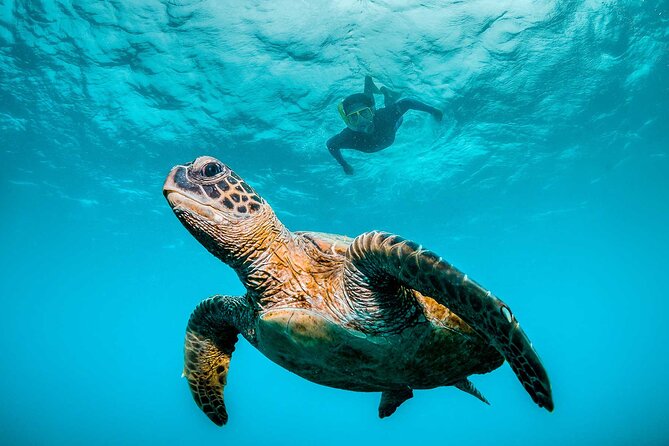
- Wildlife comes first: The first part of the trip spends several miles offshore looking for dolphins, sea turtles, rays, and seasonal humpback whales.
- Marine biologist guides: Guides including Peter, Isabel, Scarlett, and Katerina share practical facts about local species and conservation work.
- Small boat, personal feel: The maximum is 14 people, though several trips carried about eight guests plus crew.
- Snorkeling away from crowds: The reef stop is in Huatulco National Park, with about 30 minutes to an hour in the water depending on conditions.
- Plan for extra cash: Bring 65 pesos for the national park fee, 10 pesos for the marina entry, and 250 pesos if you need rented snorkel gear.
- Expect ocean motion: The boat ride can be smooth or quite bumpy. Snorkeling may also be shortened or moved if swells make conditions unsafe.
Why the offshore search is worth your time
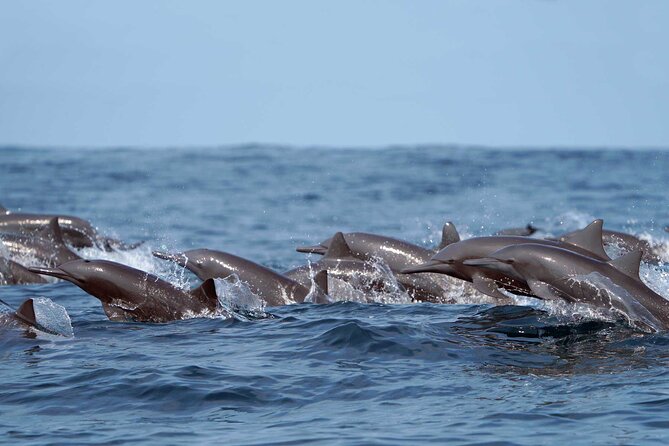
This is not a quick bay cruise with a guaranteed wildlife performance. You leave Chahué Marina at 11 a.m. and head several miles into the open Pacific, where dolphins, turtles, rays, and whales spend their time. That means the boat ride is part of the experience, not simply transport to a beach.
The guides use their experience and research work to look for animals in sensible places. They also collect data during the outing, giving the trip a conservation purpose beyond sightseeing. The best moments can be wonderfully simple: a pod of dolphins pacing the boat, a turtle surfacing beside you, or a whale lifting its tail in the distance.
You should keep expectations realistic. Nature does not follow a schedule, and one trip may produce several species while another offers only a few sightings. In one outing, the search for whales and dolphins took up most of the day, while another produced humpbacks, dolphins, turtles, rays, and even a whale shark. The possibility is real, but no animal sighting can be promised.
December through March is the strongest period for humpback whales, with the operator reporting sightings on about 90 percent of trips during those months. Summer brings a different pattern. July, for example, can be a good period for mating sea turtles, while humpbacks are not expected in the same way. Pick your travel dates with the wildlife calendar in mind.
A few other Huatulco days to price up
- Tour to Copalitilla Magical Waterfalls from Huatulco with admission included
★ 5.0 · 359 reviews - Full Day Tour of the Bays of Huatulco
★ 4.5 · 217 reviews - Kayak Huatulco Sunrise
★ 5.0 · 166 reviews
Marine biologists turn sightings into stories
The guides are the heart of this outing. Peter has led trips focused on whale behavior and individual whale identification, while Isabel, Scarlett, and Katerina have also received praise for their calm, friendly approach. Captains such as Chris, Tito, and Tony add local knowledge and handle the boat while the guides focus on wildlife and safety.
That combination matters. You are not just told that a turtle is an olive ridley. You learn how local species use the ocean, how guides avoid disturbing animals, and why a whale’s tail pattern can identify an individual. On one trip, an underwater microphone was used to hear whales, and a recording was later shared with the group.
The conservation message feels practical rather than preachy. The crew has picked up ocean trash during outings, and guides explain how boats should behave around wildlife. I especially like this approach because it asks you to watch with care. The goal is not to chase an animal for the closest possible photograph.
Small groups help here. With around eight people on some departures and a maximum of 14, you can ask questions without shouting across a crowded deck. It also makes it easier to shift positions when dolphins appear or to give everyone a fair look at a turtle.
The boat ride and what four and a half hours feel like
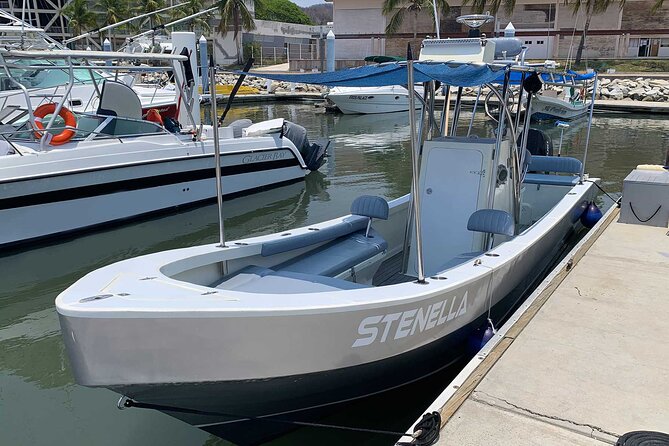
The full outing lasts about four hours and 30 minutes. Expect a substantial amount of time aboard, first traveling offshore and later cruising the coast. This is a good fit if you enjoy being on the water and learning as you go. It is less suitable if you want a short, calm transfer to a beach.
The boat is described as a smaller, powerful, well-maintained vessel. Several outings carried eight passengers, while others had about 11 or 12 people. The small size gives the trip a personal feel, but it also means less space to escape spray, sun, and motion.
The Pacific off Huatulco can swell. Some outings were relatively calm, while others left several people feeling queasy. Take a motion sickness medicine well before departure if you need one, since the operator advises allowing 30 to 45 minutes for it to work. Do not wait until the boat is bouncing.
Bring sun protection, a swimsuit, and extra food if you need more than a light snack. Bottled water, apples, and granola bars are included, but a picky eater or anyone needing a substantial lunch should plan ahead. There is conflicting detail in the supplied material about bathroom facilities, so you should ask the operator directly before departure if that matters to you. The practical advice is simple: use facilities before boarding and avoid drinking more than you need during the trip.
Snorkeling a quieter reef in Huatulco National Park
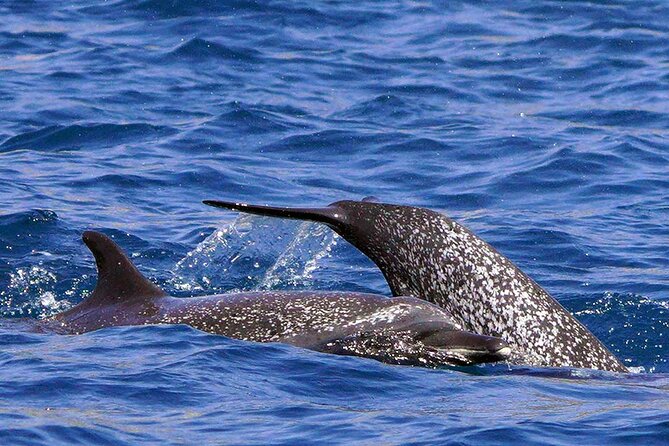
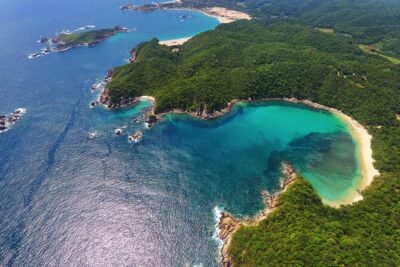
After the offshore search, the boat turns toward Huatulco National Park. The coastal portion passes a long string of bays, including Chachacual, La India, Cacaluta, Maguey, Organo, Santa Cruz, and Chahué. The scenery changes from open-water horizon to sheltered coves and rocky coast.
The snorkeling stop is one of the strongest reasons to choose this trip over a standard party boat. The crew aims for reefs away from the busiest excursion routes, and some trips stopped at two small areas. You might see dense schools of fish, colorful reef life, sea turtles, rays, and many other species. One outing included about an hour in the water, while another offered roughly 30 minutes. Sea conditions help determine the final timing.
You need recent snorkeling experience, the ability to swim 100 meters, and enough mobility to climb a removable boat ladder. A snorkel vest is available for children and adults up to 130 kilograms, and life jackets are available from infant sizes to adults weighing 130 kilograms.
You can remain aboard if you prefer not to snorkel, but the crew’s guidance is designed for people who enter the water. Ladder access can be difficult for anyone with limited mobility. Rough water may also make getting in and out less comfortable than a beach entry.
Snorkel gear rental costs 250 pesos cash per person if you need equipment. If you bring your own gear, confirm what is included and what you should carry before leaving your hotel. The national park fee is 65 pesos cash per person, and marina entry costs another 10 pesos cash per person. These are modest charges, but you do not want to discover them without Mexican currency at the dock.
Same stretch of coast, a very different day:
- Street Food Cooking Class
★ 5.0 · 125 reviews - “Copalitilla” Waterfalls from Huatulco
★ 5.0 · 124 reviews - Huatulco Walking Food Tour
★ 5.0 · 116 reviews - Huatulco Bahías Tour
★ 4.5 · 95 reviews
Cruising the seven bays on the return
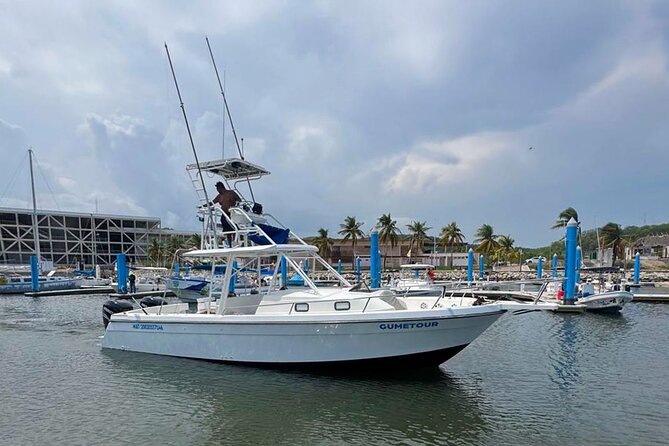
The ride back is not an empty trip to the marina. The boat follows the Huatulco coast and takes in the national park’s bays, with the crew explaining local wildlife and coastal features along the way.
Each bay has a different feel, but the real value is the change of pace. After concentrating on distant fins and blows offshore, you can enjoy the coast at a slower speed. The guides may continue looking for dolphins, turtles, and rays during this section, so wildlife viewing is not necessarily finished once snorkeling ends.
The bay cruise also gives the excursion a useful balance. If the ocean is too rough for a long snorkel, you still receive a coastal tour. If offshore wildlife is scarce, the coves and reef can still make the day worthwhile. On the other hand, if your main goal is whales, the coastal portion may feel like a comedown after a long search.
How the price compares with the experience
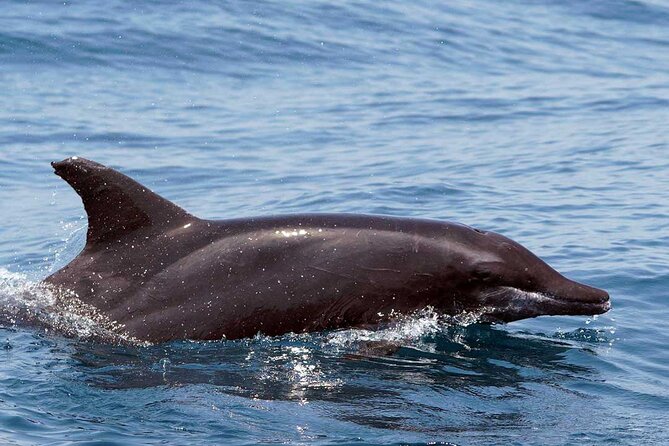
At $83.64 per person, this is not the cheapest way to get on the water in Huatulco. It is also not simply a transport ticket. The price covers about 4.5 hours, a small group, wildlife searching, marine interpretation, a national park reef stop, bottled water, and light snacks.
I see the best value in the guide-to-passenger ratio. A crowded catamaran can offer music, drinks, and a broad social atmosphere. This trip puts your money toward time on the water, careful wildlife watching, and a quieter reef stop. If you want a booze cruise or a party, choose something else. If you want to understand what you are seeing, this format makes more sense.
Some trips also included photographs, drone footage, or underwater video at no extra charge, but you should not assume this is guaranteed on every departure. Ask the operator what media, if any, will be provided on your date.
The tour is usually booked about 21 days ahead, so reserve early if you are visiting in the December to March whale season. The booking is non-refundable and cannot normally be changed. If bad weather cancels the trip, you are offered another date or a full refund. The same applies if the minimum number of participants is not reached.
Who will enjoy this Huatulco boat tour
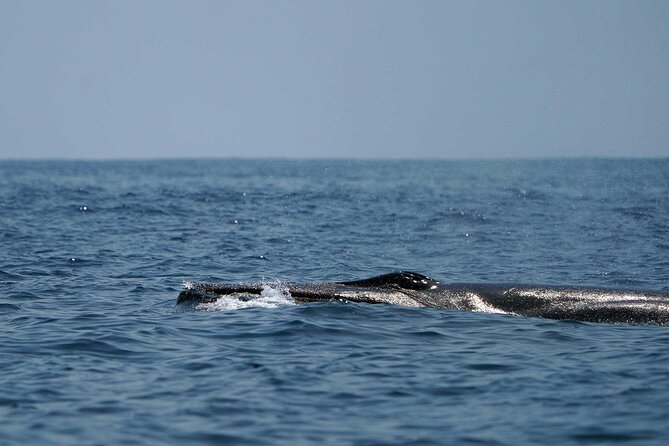
I would choose this outing if you want a nature-focused half day rather than a standard sightseeing cruise. It suits couples, families with children age three and older, solo visitors, and anyone who prefers a small group. The educational side is strong enough for curious children, though rough water can make the day harder for young ones.
It is also a good option for repeat visitors to Huatulco. The bays are familiar to many people who stay along the coast, but the offshore portion shows you a different side of the area. Returning with a list of turtles, dolphins, rays, fish, and perhaps whales feels more meaningful than simply checking off another boat ride.
Think carefully if you have back or neck problems, are pregnant, weigh more than 130 kilograms, or have heart trouble, a serious medical condition, or recent surgery. The motion of the boat can be demanding, and snorkeling requires swimming ability plus ladder access. Minimum age is three, but the operator says most participants must be able to manage the physical demands of the activity.
The trip begins and ends at Oceanico Huatulco at Chahué Marina, on Boulevard Benito Juárez. Hotel pickup is not included, so arrange your own way to the marina and back. Confirmation arrives at booking, and the start time is 11 a.m.
The main drawbacks to consider
The biggest drawback is the open-ocean ride. A calm morning can turn into a bumpy one, and the movement may affect your enjoyment more than the wildlife does. Motion sickness medication, taken early, is sensible for anyone who has felt ill on boats before.
The second concern is uncertainty. You could see humpbacks, dolphins, turtles, rays, and an unusual sight such as a whale shark. You could also spend a long time searching and see fewer animals. The crew can improve your chances, but it cannot control the sea.
The snorkeling stop is also weather-dependent. Swells may limit where the boat can stop or how long you stay in the water. And because the trip carries light snacks rather than a full meal, you should bring additional food if four and a half hours between meals will be a problem.
These are not flaws hidden behind glossy promises. They are the basic conditions of a wildlife trip on the Pacific. If you accept them, the uncertainty becomes part of the appeal.
Should you book Ocean Eco Adventure?
Yes, if your priority is marine wildlife, small groups, reef snorkeling, and guides who treat the ocean as a living place rather than a backdrop. The strongest reasons to book are the marine biologist-led commentary, the chance to spend real time offshore, and the quieter snorkeling areas in Huatulco National Park.
I would book during December through March if humpback whales are high on your list. In other months, go for turtles, dolphins, rays, reef fish, coastal scenery, and the chance of an unexpected sighting. Take motion sickness precautions, carry cash, bring extra snacks, and be honest about your swimming and ladder-climbing ability.
Skip it if you want guaranteed whales, a calm ride, hotel pickup, a full meal, or a lively party boat. For an ocean-minded visitor who values patient searching and useful information, the $83.64 price is fair and the four-and-a-half-hour format gives you a full, varied look at Huatulco from the water.
FAQ
Where does the Ocean Eco Adventure begin?
The tour begins at Oceanico Huatulco in Sector P at Chahué Marina, Boulevard Benito Juárez, Bahías de Huatulco. The trip ends back at the same meeting point.
What time does the tour start?
The scheduled start time is 11 a.m.
How long does the activity last?
The experience lasts approximately four hours and 30 minutes.
What animals might I see?
The tour searches for dolphins, sea turtles, rays, and whales offshore. Humpback whales are seen on about 90 percent of tours from December through March, but sightings are never guaranteed.
Is snorkeling gear included?
No. Snorkel gear rental costs 250 pesos cash per person if you need it. Snorkel vests are available for children and adults up to 130 kilograms.
What extra fees should I bring cash for?
The Huatulco National Park fee is 65 pesos cash per person, and Chahué Marina entry costs 10 pesos cash per person.
Can children join the tour?
The minimum age is three years old. Participants who want to snorkel must have recent snorkeling experience, be able to swim 100 meters, and climb a boat ladder.
New on the Huatulco list
- Discover the magic of Huatulco and its surroundings areas★ 4.5 · 57 reviews
- Huatulco Airport: Shared Transfer to/from Huatulco Hotels★ 4.5 · 60 reviews
- Half-Day Tour to Ventanilla, Mazunte, Zipolite and Puerto Angel★ 4.5 · 63 reviews
- Huatulco Airport: Round-Trip Transfer to Huatulco Hotels★ 5.0 · 70 reviews
- Waterfall Experience★ 5.0 · 70 reviews
- Huatulco’s Mountain Waterfalls★ 5.0 · 71 reviews
- Guided Visit to Huatulco with Pickup Included★ 5.0 · 75 reviews
- Canyoning in the Oaxacan Coast Canyons★ 5.0 · 76 reviews
Huatulco Tours, compared.
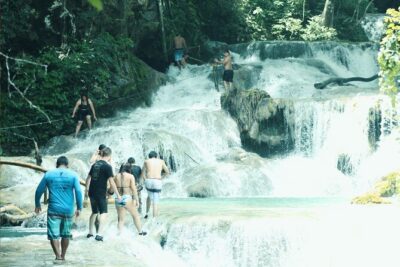
Tour to Copalitilla Magical Waterfalls from Huatulco with admission included
Read our review →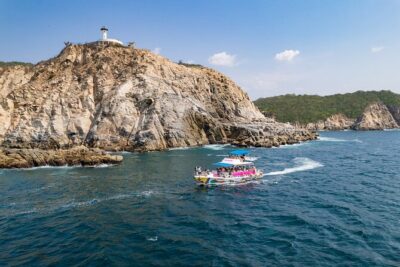



Browse the lists this tour appears in