
Reviewed · GUADALAJARA TOURS
Guadalajara: Mexican Charro and Charreada Cultural Tour
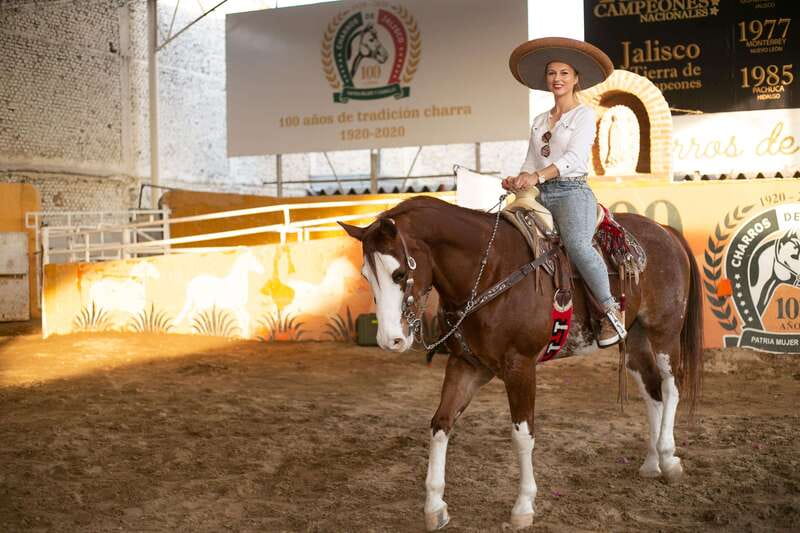
The best part of this Guadalajara tour is that you do not just watch Mexican charrería from the stands. You handle the lasso, brush and saddle horses, learn the meaning behind the ornate charro costume, and may ride in the parade that opens a Charreada. It is a hands-on look at an important Mexican identity recognized by UNESCO.
I like the personal feel, especially with guides such as Jorge, who is known for storytelling, music, and a warm welcome. I also like the strong mix of history and action: one moment you are examining silver-trimmed riding gear, and the next you are trying to throw a rope at a target. The main consideration is that horse riding and seeing a full competition can depend on the day’s schedule, so this is not simply a guaranteed rodeo show.
Key points to know before you book
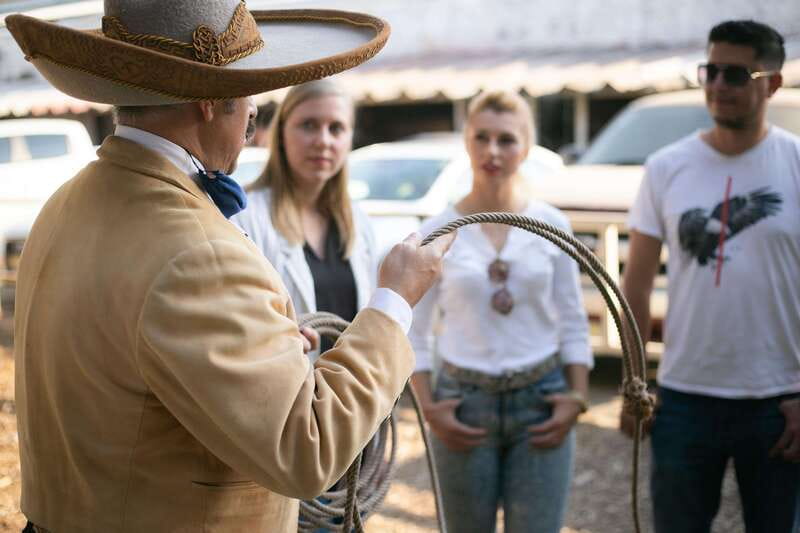
- You learn by doing: Try the charro lasso, practice on a wooden bull, and, when arranged, work with a well-trained real bull.
- Campo Charro Jalisco gives the tour a real setting: The museum, arena, horses, costumes, and Sunday Charreada traditions all connect in one place.
- The parade may be your most memorable moment: Help prepare the horses and possibly ride alongside the charros as the event begins.
- Jorge is a major part of the appeal: His storytelling, hospitality, singing, and attention to children have made the tour especially personal.
- Tequila and mariachi finish the visit: Two alcoholic drinks are included, with beer or tequila listed as the choices.
- Plan for dust and missing lunch: Bring allergy medication if horses or dust bother you, and arrange food separately because no meal is included.
Why charrería matters in Jalisco
Charrería is more than a Mexican version of an American rodeo. It is a formal tradition built around horsemanship, rope work, costumes, music, pride, and a code of conduct associated with the charro. Jalisco is a natural place to learn about it, since Guadalajara and its surrounding communities are closely tied to the tradition.
Your introduction begins during the drive from one of the pickup points: Chapultepec Country, Guadalajara, or Tlaquepaque. The route includes historic neighborhoods connected with the early development of charrería. That short city ride gives the rest of the visit a useful frame. You are not simply being taken to an arena for a horse show. You are seeing how this rural-looking tradition fits into the culture of a major Mexican city.
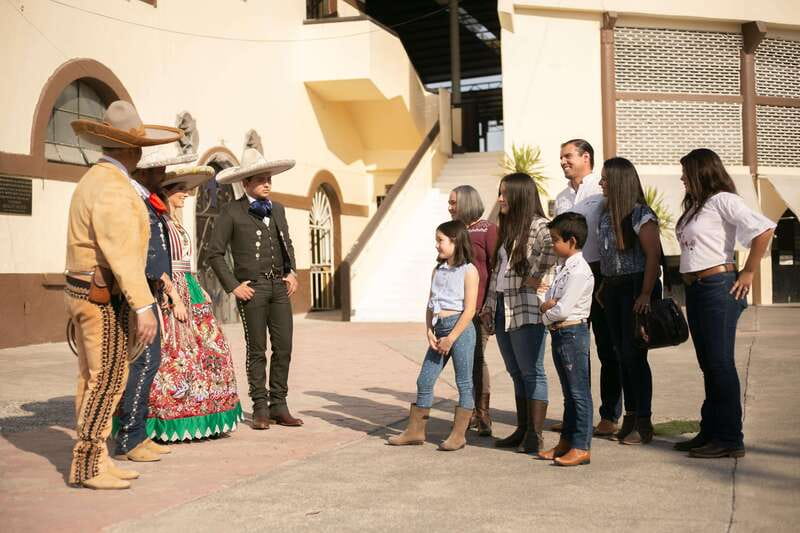
The tour is conducted in English or Spanish. The guide makes a big difference here because charrería has its own terms, tools, clothing, and customs. Guides including Jorge and Marcos have been singled out for making those details understandable without turning the visit into a dry lecture.
More historic sites around Guadalajara:
- History and Murals: Walking Tour Guadalajara
★ 5.0 · 237 reviews - Charreria heritage tour be a charro for a day
★ 5.0 · 188 reviews - Tequila/Guachimontones Tour-cultural heritage route
★ 5.0 · 136 reviews
Arriving at Campo Charro Jalisco
At Campo Charro Jalisco, you enter a lienzo, the arena used for charro events. The setting matters. You are learning in the same type of space where the horses are prepared, the parade begins, and the competitive activities take place.
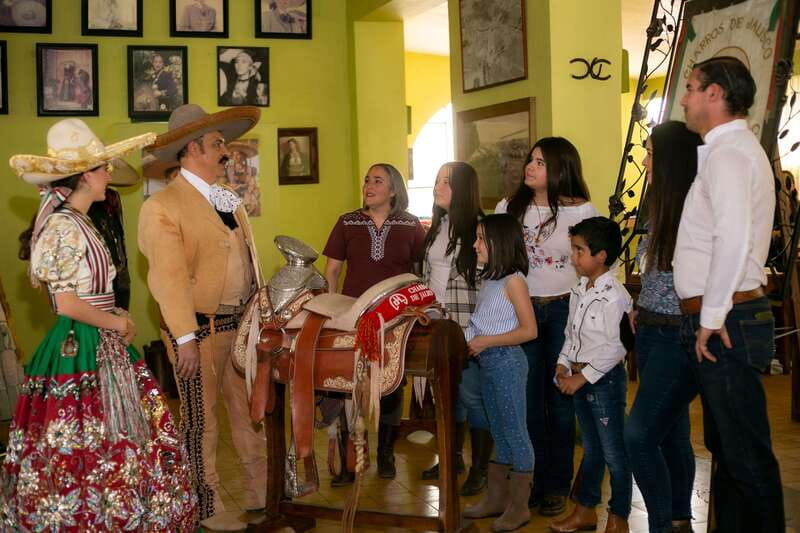
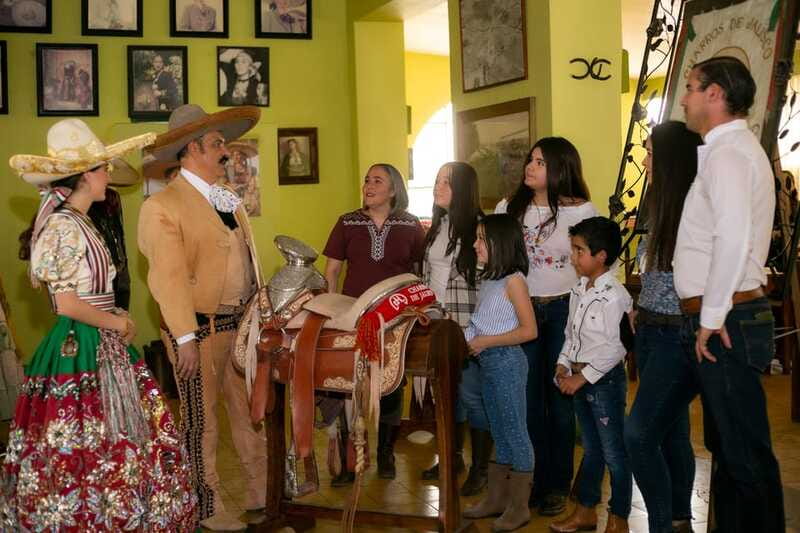
The first stop is the arena museum. It displays traditional charro clothing and accessories, giving you time to look closely at the craft. The outfits are not casual cowboy wear. They are carefully made costumes, often marked by decorative details, polished accessories, and regional pride. Your guide explains how the clothing is used and why it remains important during the Sunday Charreada.
I find this museum portion useful because it slows the pace before the physical activities begin. You understand what you are looking at before you see a charro in the arena. You also get a better sense of why the outfit is part of the identity, not just something worn for photographs.
The museum is not a huge standalone attraction, so do not expect a full-day cultural institution. Its value comes from the guide’s explanation and from seeing the costumes in the same place where the tradition is practiced.
Learning the lasso, charro style
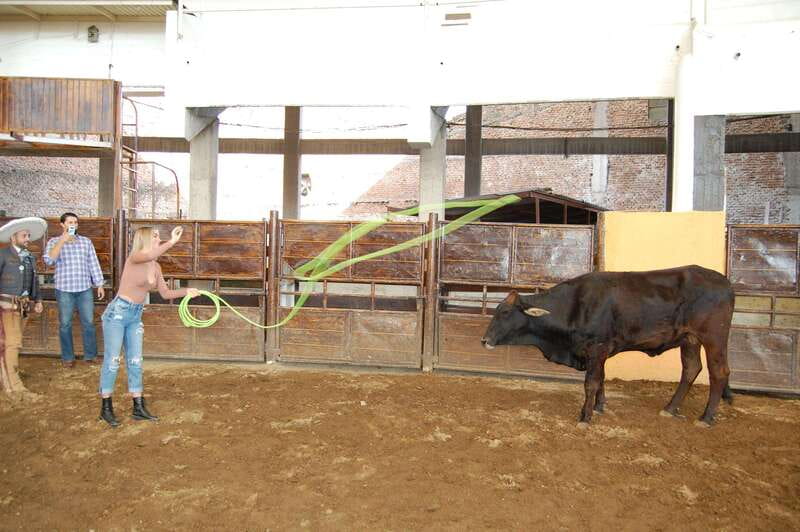
The lasso lesson is one of the tour’s most distinctive features. You learn how charros handle their ropes and how a Mexican lasso differs from those used in other cultures. That comparison gives the activity some context instead of making it a simple carnival-style rope toss.
Expect to practice under instruction rather than perform like a seasoned competitor. You may first work with a wooden bull, then progress to a well-trained real bull during certain sessions. The point is not to prove that you can rope perfectly. The point is to feel the timing, control, and teamwork involved in a charro task.
This is a good activity for families and mixed-age groups because it gives everyone a clear task. One child may enjoy the target practice, while an adult may be more interested in the technique and tradition. An elementary-aged child has enjoyed the tour before, but you should still consider your own child’s comfort around horses, ropes, dust, and arena activity.
The rope work also helps you understand the Charreada better. From the audience, a successful rope maneuver can look quick and effortless. After trying it yourself, you see how much practice and control sit behind that brief moment.
Meeting the horses before the parade
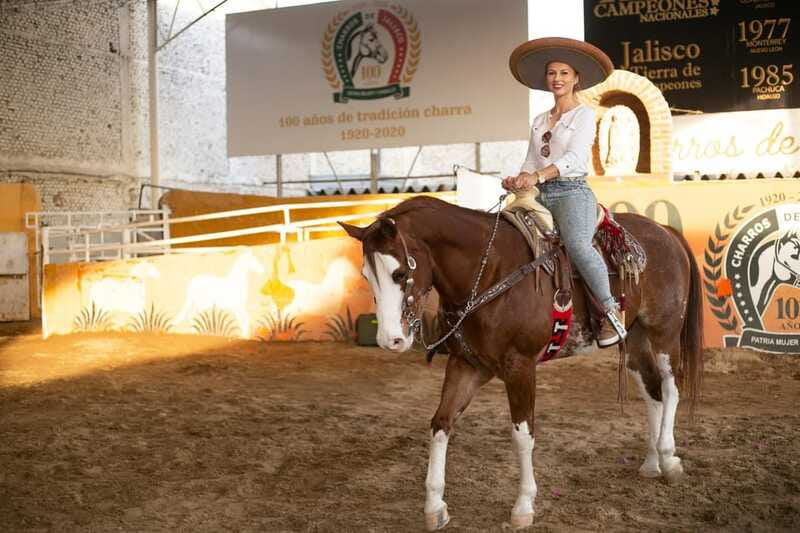
The horse portion begins with practical work. You help brush and saddle the horses, then see how they are chosen for the parade. This makes the visit feel more connected to the animals than a standard spectator event.
You may be able to ride with the charros as part of the opening parade. The wording matters: riding is possible, but it is not presented as a guaranteed feature for every departure. Conditions, timing, and the arena’s schedule can affect what happens. If riding is the main reason you are booking, confirm the expected plan when you reserve.
When the parade does take place, it gives the Charreada a ceremonial beginning. Riders enter together, horses are prepared with care, and the costumes become part of a larger display of discipline and pride. You are not just watching a horse walk around an arena. You are seeing the opening ritual of an event with its own customs.
The hands-on horse work is also a good reason to wear practical clothing. Dust is specifically noted as a concern, and horse allergies are possible. Bring any medication you need. The experience is outdoors or in an arena setting, so comfortable shoes and clothes you do not mind getting dusty make sense, even though the tour information does not set a formal dress code.
A few other Guadalajara days to price up
- Full Day Tour to Tequila and Amatitán with Fun and Culture
★ 5.0 · 681 reviews - The Agave Experience Tequila Tour in Jalisco
★ 5.0 · 520 reviews - Tour to Lake Chapala, MAGIC TOWN of Ajijic from Guadalajara
★ 4.5 · 476 reviews - Walk Guadalajara!
★ 5.0 · 474 reviews
Seeing the Charreada in context
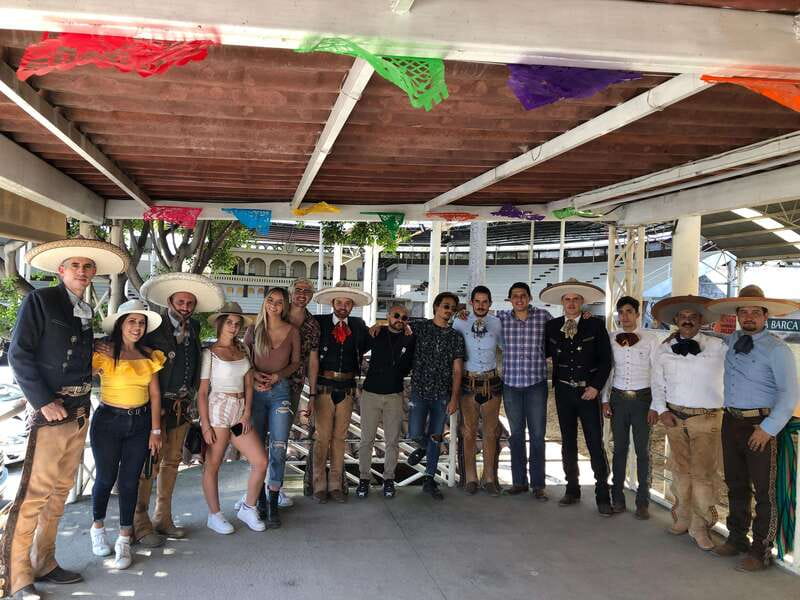
A Charreada is a competitive event with some similarities to a rodeo, but the atmosphere and traditions are distinctly Mexican. During the tour, your guide explains the different activities and the role each one plays. You may see charros working with ropes, horses, and cattle as part of a team.
A Sunday visit offers the best chance to see the regular Charreada. One past visit also included competitions at the arena, allowing the group to remain and watch. That kind of extra can turn a four-hour visit into something that feels much bigger, but it depends on the calendar. Do not book this tour expecting a full competition at every departure.
That uncertainty is the main trade-off. The tour is strongest as an introduction to charrería, with the arena activity adding energy when available. If you want a formal Sunday Charreada above all else, ask about the schedule and consider attending the Sunday event separately. One visitor became so interested after the tour that attending the Sunday Charreada became a separate plan.
The guide’s presence helps here. Instead of wondering what each maneuver means, you have someone beside you to explain the customs and techniques. This makes the arena easier to follow, especially if you have never seen charrería before.
Tequila, mariachi, and the human side of the visit
The final part of the tour shifts from instruction to celebration. You share tequila or beer with the charros, with two alcoholic drinks included, and listen to mariachi guitars. It is a fitting finish because music and social hospitality are part of the experience rather than an afterthought.
Some guides bring a strong personal touch to this moment. Jorge has been praised for singing and playing music, and the visit may include a poem or a speech about the character and nobility expected of a true charro. These details help explain why the tour feels personal instead of like a quick arena transaction.
Food is not included. That is important because four hours can cover a large part of your morning or afternoon, and the tequila is not a substitute for lunch. Plan a meal before or after the activity. The supplied inclusions list water and two alcoholic drinks, but no tacos or other food.
You do not need to drink alcohol to get value from the tour, but the listed beverage inclusion is worth noting when judging the price. If you prefer not to drink, the cultural and horse-related activities remain the main reason to go.
What the $47 price really buys
At $47 per person, the tour offers more than admission to an arena. The price includes pickup, entrance, a bottle of water, two alcoholic drinks, the museum introduction, guide service, lasso instruction, horse preparation, and the chance to participate in traditional tasks.
The strongest value comes from access. You are not merely watching charros from a public seat. You get an explanation of the clothing, a lesson in rope work, contact with the horses, and a chance to take part in the opening parade if circumstances allow. That combination is difficult to reproduce by visiting an arena on your own.
The value is also tied to the guide. Jorge, Marcos, Marco, Mateo, and Jesús have each been associated with different departures, and the guide’s personality can shape the day. The best feedback has focused on warmth, patience, storytelling, and the feeling of being welcomed into a local tradition.
There are limits. Drop-off is not included, and food costs extra. The four-hour duration is enough for a focused introduction, not a full day of ranch life. Horse riding may not happen every time, and a competition may not be scheduled. I would still call the price fair for anyone who wants active cultural learning rather than passive sightseeing.
The activity has an overall rating of 4.8 from 83 reviews, and 90 percent of people gave the transport a perfect score. The practical takeaway is simple: pickup is a meaningful part of the value, especially if you are traveling alone or do not want to arrange transport to the lienzo yourself.
Who will enjoy this most
I would recommend this tour to you if you want a direct connection to Mexican culture and do not mind getting involved. It suits solo visitors, couples, families, and people who enjoy meeting local hosts more than moving through a list of monuments.
It is especially good for:
- First-time visitors to Guadalajara who want an activity rooted in Jalisco culture
- Families with children who enjoy horses and supervised hands-on tasks
- Visitors interested in Mexican clothing, music, and traditions
- Anyone curious about rodeo-style events but looking for a Mexican form with its own identity
- Solo travelers who value hotel pickup and a welcoming guide
You may want to choose something else if you want a polished performance with fixed timing and no participation. This tour includes dust, animals, rope practice, and an active arena. It asks you to take part, not just sit back.
It is also less suitable if you have serious horse or dust allergies, unless you can safely manage them. The tour specifically advises bringing medication for allergies. The guide can explain the activities, but the setting remains a horse arena.
Useful planning details
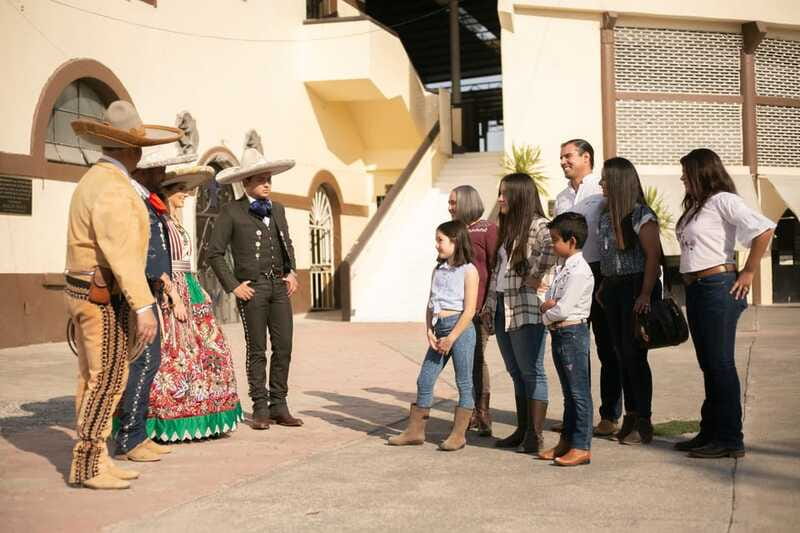
The total duration is four hours. Pickup is available from Chapultepec Country, Guadalajara, and Tlaquepaque, with starting times dependent on availability. Drop-off is not included, so plan how you will continue your day once the celebration ends.
You can reserve now and pay later, which helps if your Guadalajara schedule is still shifting. Free cancellation is available up to 24 hours before the activity for a full refund. The tour is offered in English and Spanish, and skip-the-ticket-line entry is included.
Bring water? A bottle is provided, but you may still want sensible outdoor clothing. Wear shoes suitable for horse-related activity, and expect the possibility of dust. Bring allergy medication if needed, and remember that lunch is not part of the price.
The tour is listed as four hours, although an active competition or special arena program could affect the rhythm. If you are hoping to stay for a full Charreada, ask about that specific day rather than assuming it is part of every departure.
Should you book the Charro and Charreada Cultural Tour?
Book it if you want to understand charrería through people, horses, clothing, and practice. The lasso lesson, museum, horse preparation, possible parade ride, and tequila with mariachi create a well-rounded visit for $47.
I would make this a priority in Guadalajara if you have already seen the central sights and want something tied closely to Jalisco identity. Choose it with realistic expectations: riding and a full competition are possible, not guaranteed, and lunch and drop-off are extra.
If Jorge is leading your departure, expect a particularly personal visit, with storytelling and possibly music adding to the cultural lesson. Even with another guide, the format offers a rare chance to meet the tradition at ground level. For a hands-on introduction to Mexican charro culture, this is an easy tour to recommend.
FAQ
How long is the Mexican Charro and Charreada Cultural Tour?
The tour lasts four hours.
Where can pickup take place?
Pickup is available from Chapultepec Country, Guadalajara, and Tlaquepaque.
Is transportation included?
Pickup service is included. Drop-off service is not included.
Which languages are available?
The tour is offered in English and Spanish.
Is horse riding guaranteed?
Horse riding may be available as part of the parade, but it is not guaranteed for every departure.
Will I see a full Charreada?
A Sunday visit may allow you to watch a Charreada or competitions at the arena. A full event is not guaranteed on every tour.
What drinks are included?
Two alcoholic drinks are included. The listed choices are beer or tequila, along with a bottle of water.
Is food included?
No. Food is not included in the tour price.
What should I know about allergies?
Some people experience allergies to dust or horses during the tour. If you have allergies, bring your medication with you.
New on the Guadalajara list
- GDL Art Crawl & Studio Tour Visit★ 5.0 · 54 reviews
- From Guadalajara: Enchanting Lake Chapala & Ajijic Day Trip★ 4.6 · 60 reviews
- Guachimontones Archaeological Tour★ 5.0 · 60 reviews
- Tequila distillery experience, Jose Cuervo & Tequila Magic Town★ 4.5 · 61 reviews
- Tequila Premium Tour Destination Agave★ 5.0 · 62 reviews
- Private Cultural and Gastronomy Tour Full Day Tapatío★ 5.0 · 63 reviews
- Private Full-Day Tour to Tequila and Guachimontones★ 4.5 · 66 reviews
- Private City Tour Guadalajara and Tlaquepaque★ 5.0 · 67 reviews
Guadalajara Tours, compared.
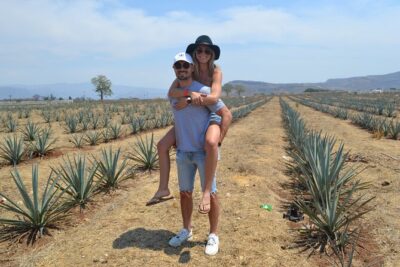
Full Day Tour to Tequila and Amatitán with Fun and Culture
Read our review →
Tour to Lake Chapala, MAGIC TOWN of Ajijic from Guadalajara
Read our review →
The Fire TOUR – Pyramids, Volcanoes, Agaves & Tequila
Read our review →
Lake Chapala and Ajijic Day Trip with Boat Trip
Read our review →Browse the lists this tour appears in