
Reviewed · PUERTO VALLARTA TOURS
Sea Turtle Release – A Puerto Vallarta Conservation Adventure
Baby sea turtles race toward the Pacific at sunset on this Puerto Vallarta conservation outing. You begin with a short talk on turtle biology, then ride to a beach camp where a bilingual biologist helps you release newly hatched Olive Ridley turtles.
I like the clear link between your tourist dollars and hands-on conservation, and I like the mix of science, sunset, and a memorable family activity. The main caution is the walk: expect about a mile total over sand, loose gravel, and some uneven ground, including the return trip after dark.
Key points
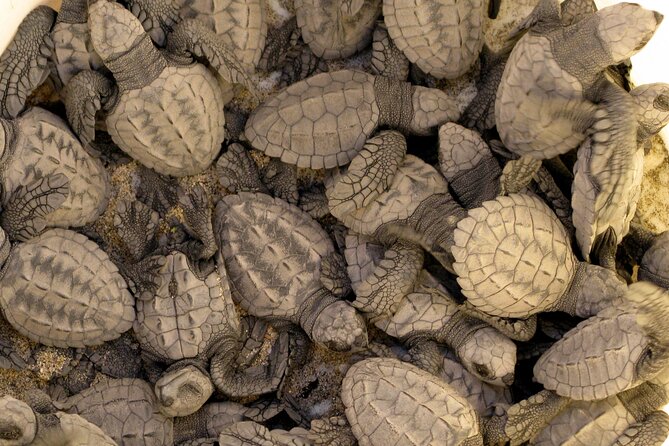
- Newborn Olive Ridley turtles: You may release turtles only a day old, sometimes just minutes old.
- Sunset timing: The hatchlings head for the ocean at dusk, when natural predators are less active.
- Biologist-led learning: Michael, Maggie, Francis, and other bilingual guides explain turtle life cycles, nests, and coastal protection.
- Beach access matters: The walk lasts about 10 to 20 minutes each way, with sand, rocks, and loose gravel underfoot.
- Small-group feel: The van and turtle camp accommodate a maximum of 24 people.
- Weather and turtles control the schedule: Poor weather or a lack of hatchlings can lead to a new date or a refund.
Why the sunset release feels so special
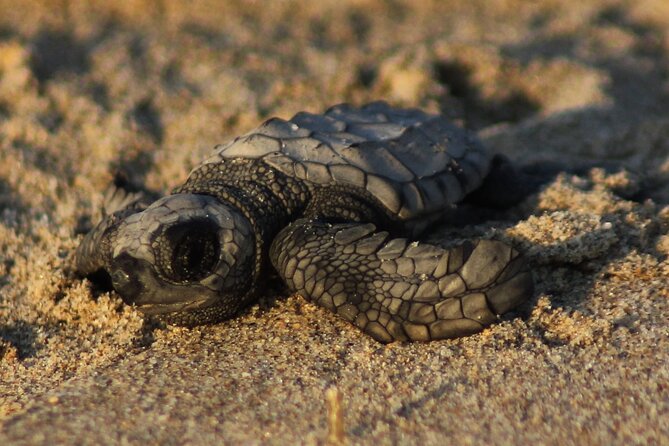
Many Puerto Vallarta outings place you on a boat, at a restaurant, or beside a hotel pool. This one asks you to slow down and watch a fragile creature make its first trip into the sea. That simple act gives the evening more weight than a standard photo stop.
The turtles are often Olive Ridleys, a species protected through nest monitoring and hatchling care. At the camp, you learn how biologists and volunteers collect information, protect nests, and prepare newborn turtles for release. Then the talk becomes real: you hold or carry a tiny turtle to the sand and watch it move toward the water.
The sunset adds beauty, but it is not just decoration. Release takes place at dusk or after sunset because darkness gives the hatchlings better odds against predators. You get a lovely beach setting, yet the timing also follows the needs of the animals.
I especially like that the activity does not treat conservation as a lecture detached from daily life. You hear how people affect the coast, see the work at the camp, and take part in one small step that supports the wider effort. It is a modest action, but it leaves you thinking about what happens after your vacation ends.
A few other Puerto Vallarta days to price up
- Puerto Vallarta Best Zipline Canopy + Tequila and Speed Boat Ride
★ 5.0 · 3,786 reviews - Winner 2025 Downtown Vallarta Food Tour with Vallarta Food Tours
★ 5.0 · 3,738 reviews - Extreme Adventure, Wildest Bridge, ATV & Ziplines
★ 5.0 · 3,179 reviews
Meeting at Marina Vallarta before the talk
The experience begins at the Ecotours Vallarta office at Proa 20 in Marina Vallarta. Check-in is scheduled for 4:50 p.m., followed by a 5 p.m. orientation. You have access to a restroom before leaving, which is useful because the beach portion is more rustic than the marina meeting point.
The opening presentation covers sea turtle biology, the life cycle, nesting, and the conservation work carried out along the coast. Guides such as Michael, Maggie, and Francis have been praised for explaining the subject clearly and answering questions from both adults and children.
Expect an educational session rather than a quick safety briefing. A slideshow may form part of the talk, including images of turtles mating. The photographs are not described as graphic, but parents with young children may want to know about them in advance.
This introduction gives the release a purpose. Without it, you might see only cute hatchlings. With it, you understand why the turtles are released at a particular hour, why people avoid bright lights, and why the camp spends so much effort protecting nests.
The short van ride and beach approach
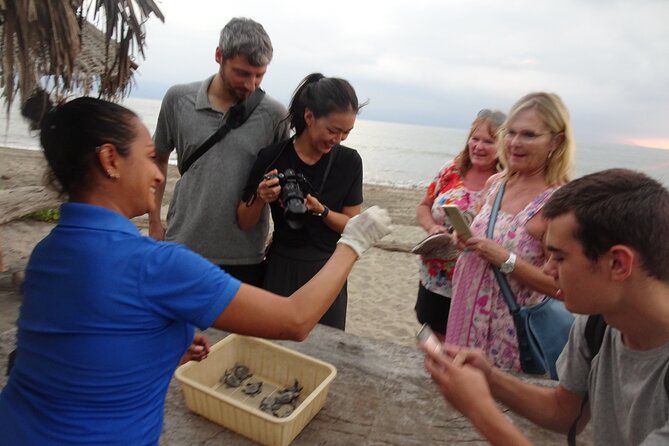
At about 5:45 p.m., you board an air-conditioned vehicle for the trip to the beach. The ride takes roughly 15 minutes, though road conditions can make it bumpy at times. Bottled water and light snacks are included, such as a granola bar, juice, or soda.
After the vehicle stops, you walk along the beach to the turtle camp. The stated walk is about 10 minutes and under half a mile each way, while practical accounts put the full out-and-back beach section closer to 15 or 20 minutes each way. Since the total walking requirement is about one mile, plan for the longer estimate.
The walk is gentle for people who are comfortable on sand, but sand is not pavement. You may also cross loose gravel, rocks, or uneven sections. Your guide points out the coastal environment and nearby mangroves, turning the walk into part of the lesson rather than a mere transfer.
This is where the tour becomes less suitable for some people. Anyone with mobility limits, balance concerns, or trouble walking on soft ground should think carefully before booking. The return walk takes place in darkness, and that can make uneven ground harder to manage.
Wear shoes with a secure grip. Open sandals can work for some people, but they are less helpful around rocks and loose gravel. Bring mosquito repellent, which is not provided and is described as essential for comfort and protection.
Inside the sea turtle camp
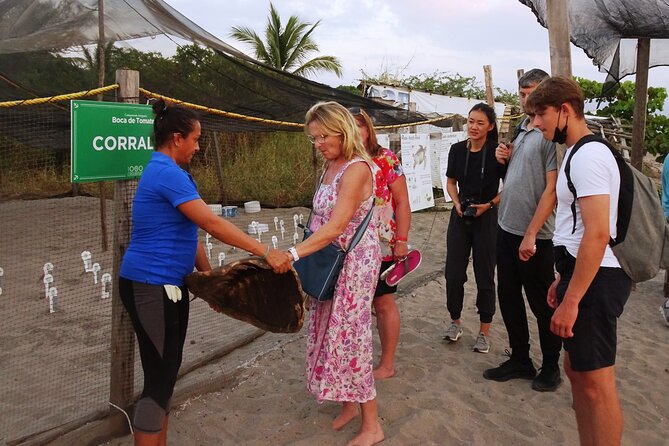
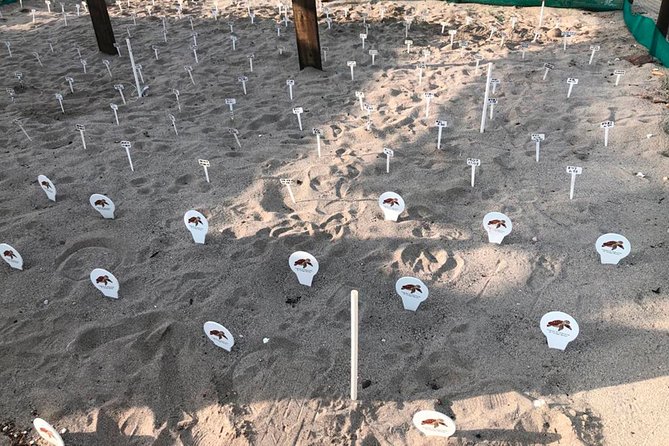
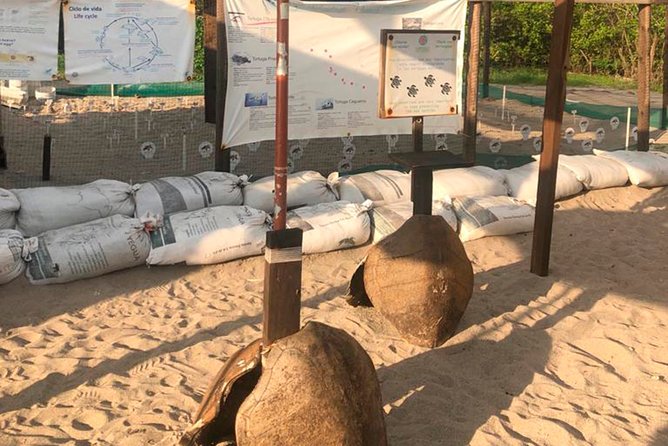
The camp is the working heart of the experience. Here you get an introduction to the people and routines behind the release. Nest monitoring and hatchling care are part of the conservation work, so the camp gives you a clearer picture of what happens before the public arrives at the beach.
The guides explain the process in plain terms and connect the local effort to the larger problem of human impact on coastal areas. That context matters. A single release is moving, but the camp shows that protecting turtles depends on repeated work, careful timing, and many small decisions.
The group size can reach 24 people. That is not a private outing, and the release may feel busy when everyone is eager to see the hatchlings. Still, the group is limited enough for a guide-led talk and organized participation.
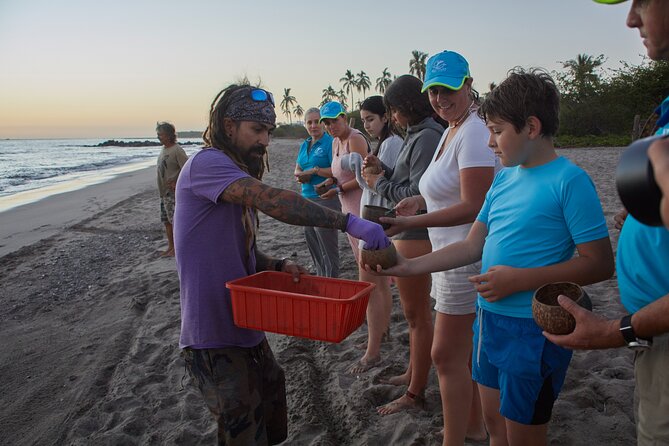
Some children may want to name their turtle. That small ritual has become part of the fun, with families giving their hatchlings names before sending them toward the sea. It helps children pay attention to the animal’s movement and gives the release a personal touch, though you should remind young participants that the turtle is a wild animal, not a pet.
Parents assist children under seven by carrying a coconut to the sand, where the child releases the hatchlings. This arrangement helps younger children participate without requiring them to carry a turtle across the beach themselves.
Same stretch of coast, a very different day:
- Mega Yacht ALL INCLUSIVE Yelapa Waterfall & Snorkeling Adventure
★ 5.0 · 2,515 reviews - Food & Mixology Tour:Tequila,Tacos, Mezcal and Agave Cocktails
★ 5.0 · 1,884 reviews - Outdoor Ziplining, Waterfalls & Speed boat in Puerto Vallarta
★ 5.0 · 1,796 reviews - Rhythms of the night, Sunset Cruise, Candlelit Dinner & Alma Show
★ 4.5 · 1,667 reviews
Releasing the hatchlings at dusk
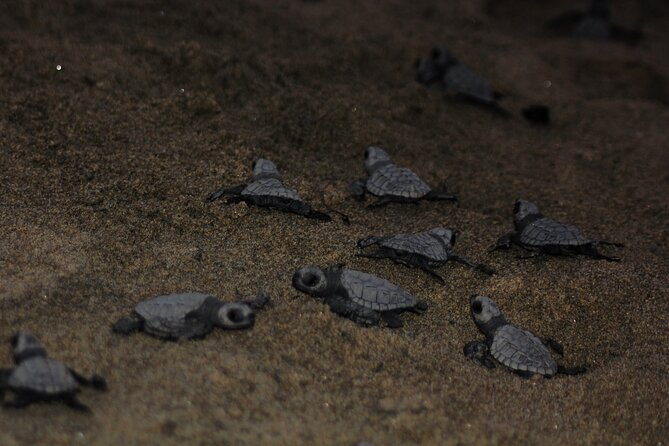
The main event takes place as the sun drops. A biologist gives instructions, and you help place the baby turtles on the sand. The hatchlings then crawl toward the water, often appearing to race one another as they cross the beach.
The turtles can be extremely young. One account describes hatchlings about half an hour old, while another describes turtles that had emerged that day. You cannot count on a particular age or number, but the possibility of seeing freshly hatched turtles is part of what makes the experience so unusual.
The release may feel brief. One useful point is to arrive at the site with realistic expectations. The camp visit, explanation, and walk give the evening shape, but the actual moment when the turtles reach the water may pass quickly. A small number of people wished they had reached the release point earlier because the final activity felt rushed.
Listen closely to the instructions. The purpose is to help the turtles, not to handle them for a long photo session. Let the biologist set the pace and follow directions about where to stand and how to participate.
At sunset, the scene can be deeply affecting. You see tiny flippers push across the sand, waves draw closer, and the animals disappear into the Pacific. The experience does not promise that every hatchling will survive, and that is part of the hard truth behind the beauty. You are watching the beginning of a dangerous journey, not a staged animal encounter with a guaranteed ending.
Extra wildlife along the way
The turtle release is the focus, but the surrounding coastal area can bring surprises. One outing included a female sea turtle coming ashore to nest, an uncommon sight according to the guide who had seen it only a handful of times over a decade.
You might also spot crocodiles near a reservoir and birds along the route. These sightings are not listed as guaranteed parts of the activity, so treat them as possible bonuses rather than promised attractions.
That uncertainty is a good reason to keep your attention on the walk. The guide may point out animals or explain how mangroves and lagoons support coastal wildlife. You get more from this part if you resist treating the beach as a hallway to the camp.
How the guides shape the experience
The guide can make or break an educational outing, and this one depends heavily on the people leading it. Michael receives particular praise for his passion and clear explanations, while Maggie and Francis are also named as friendly, capable guides.
The strongest part of their role is the connection between facts and place. You do not just memorize a turtle life cycle. You learn how that life cycle plays out on the Puerto Vallarta coast, why hatchlings are released at dusk, and how human activity affects the animals.
The bilingual guide speaks English and Spanish, so English-speaking visitors can follow the orientation and ask questions comfortably. Guides are patient with children, which helps families get more from the session instead of treating it as an adult lecture.
The tone is warm and practical. You can ask questions about the turtles, the beach, and the conservation work. The best approach is to arrive curious and let the guide add detail to what you see.
Who will enjoy it, and who should reconsider
This outing suits families, couples, solo visitors, and nature lovers who want something more meaningful than a standard sightseeing stop. Children old enough to follow instructions often connect strongly with the release, and teenagers may find the hands-on element more memorable than a museum visit.
It also works well for adults who want a short evening activity. The total duration is about two hours, and transportation returns you to the Marina Vallarta office around 7:15 p.m. That leaves the rest of the night open for dinner or another plan.
You should reconsider if walking on sand is difficult. The official guidance says most people can participate, but it also requires the ability to walk about one mile over sand and loose gravel. The return route may be in the dark, and several parts of the walk can include rocks or uneven ground.
The activity is not recommended for people with serious walking problems or for those in advanced stages of pregnancy because of the walking involved. The camp may not offer the kind of firm, level access you would expect at an urban attraction.
Bring mosquito repellent, closed or secure footwear, and clothing suited to an outdoor evening. The tour provides water and snacks, but you should not expect a fully serviced beach facility.
Group size, timing, and practical value
The maximum group size is 24 people. That means you share the experience, but it also helps keep the activity organized and supports a conservation program without turning the camp into a large crowd.
The schedule is built around nature, not convenience. Check-in comes at 4:50 p.m., the talk begins at 5 p.m., the transfer follows around 5:45 p.m., and the return is planned for about 7:15 p.m. The exact turtle release depends on sunset and the condition of the hatchlings.
The value is strongest if you want an experience with a purpose. You receive transportation, water, snacks, and a bilingual biologist-led program, but the real return is the chance to see conservation work up close and take part in a carefully timed release.
Do not book this simply because you want a guaranteed wildlife show. There may be no baby turtles on a particular day. If hatchlings are unavailable, the operator will contact you to reschedule. That uncertainty is frustrating if your itinerary is tight, but it also shows that the activity is built around real animals rather than a manufactured performance.
The experience also depends on weather. Poor conditions can cause cancellation, with a new date or full refund offered. You can cancel for a full refund if you do so at least 24 hours before the start time. Changes or cancellations inside that window are not accepted for a refund.
Should you book the Puerto Vallarta turtle release?
I would book this if you want a memorable evening that combines wildlife, local conservation, and a modest amount of physical activity. The strongest reasons are the newborn hatchlings, the sunset setting, and the chance to learn directly from people caring for the nests.
Families should prepare children for a short walk, limited handling, and a quick release. Couples and solo visitors should book if they are comfortable sharing the moment with a small group and want something quieter and more thoughtful than a nightlife excursion.
Skip it if you need firm paths, guaranteed wildlife, or a fully predictable schedule. For everyone else, bring repellent, wear proper shoes, and arrive ready for a short beach hike in the dark. The turtles are the stars, but the conservation lesson is what gives the evening lasting value.
FAQ
Where does the sea turtle release begin and end?
The activity begins at Ecotours Vallarta, also identified as Dive ShopProa, at Proa 20 in Marina Vallarta, Puerto Vallarta. Transportation returns you to the same meeting point.
How long does the experience last?
The activity lasts about two hours. Check-in is at 4:50 p.m., the orientation begins at 5 p.m., and the planned return is around 7:15 p.m.
Is transportation included?
Yes. An air-conditioned vehicle takes you from the Marina Vallarta office to the beach area and back.
Is the tour offered in English?
Yes. A bilingual biologist guide leads the activity, and it is offered in English.
How much walking is required?
You must be able to walk about one mile in total on sand and loose gravel. The beach walk is roughly 10 to 20 minutes each way and may include rocks or uneven ground.
What happens if there are no baby turtles?
If no baby turtles are available on the day of your booking, the sales staff will contact you to reschedule the reservation.
What happens if the weather is poor?
The experience requires good weather. If it is canceled because of poor weather, you will be offered a different date or a full refund.
New on the Puerto Vallarta list
- Puerto Vallarta Pirate Premium Sailing Cruise★ 4.5 · 53 reviews
- Ocean Mania & water park experience in Puerto Vallarta★ 4.0 · 53 reviews
- Sayulita & San Pancho★ 4.5 · 54 reviews
- Puerto Vallarta: Canopy Tour with Zipline and Speedboat Ride★ 4.6 · 55 reviews
- ATV Tour in Puerto Vallarta, waterfall and tequila tasting.★ 4.0 · 57 reviews
- Whale Watching in Puerto Vallarta★ 4.5 · 57 reviews
- Private Whale watching Puerto Vallarta★ 5.0 · 59 reviews
- Half Day Private Sailing Cruise Puerto Vallarta with Snorkeling★ 5.0 · 59 reviews
Puerto Vallarta Tours, compared.
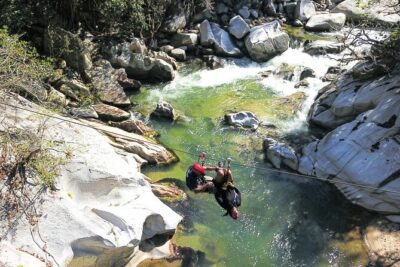
Puerto Vallarta Best Zipline Canopy + Tequila and Speed Boat Ride
Read our review →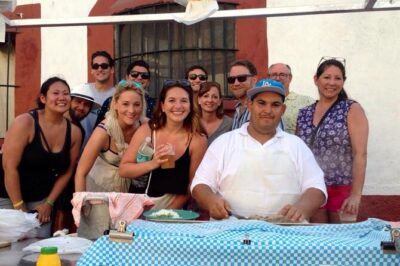
Winner 2025 Downtown Vallarta Food Tour with Vallarta Food Tours
Read our review →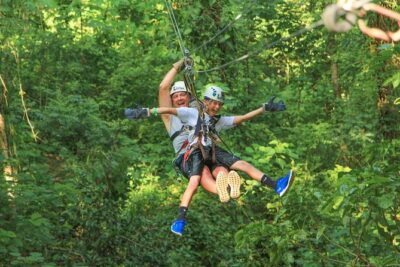
Extreme Adventure, Wildest Bridge, ATV & Ziplines
Read our review →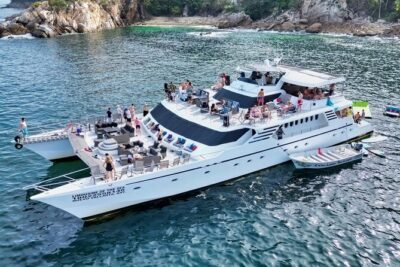
Mega Yacht ALL INCLUSIVE Yelapa Waterfall & Snorkeling Adventure
Read our review →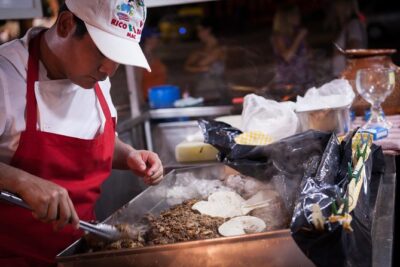
Food & Mixology Tour:Tequila,Tacos, Mezcal and Agave Cocktails
Read our review →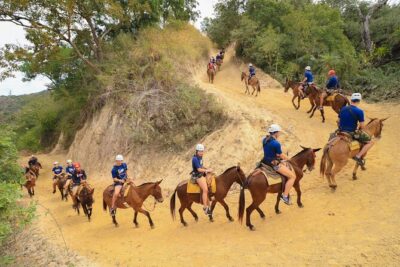
Outdoor Ziplining, Waterfalls & Speed boat in Puerto Vallarta
Read our review →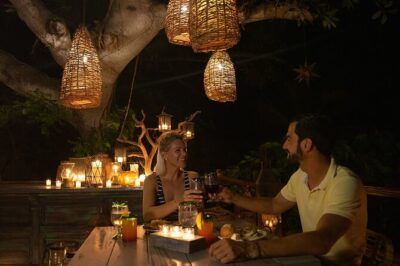
Rhythms of the night, Sunset Cruise, Candlelit Dinner & Alma Show
Read our review →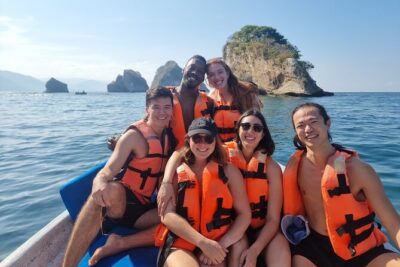
Boat and Snorkel Tour to 5 Islands of Los Arcos
Read our review →Browse the lists this tour appears in