
Reviewed · VALLADOLID TOURS
Xkopek, Mayan Bees Tour and Honey Tasting in Valladolid
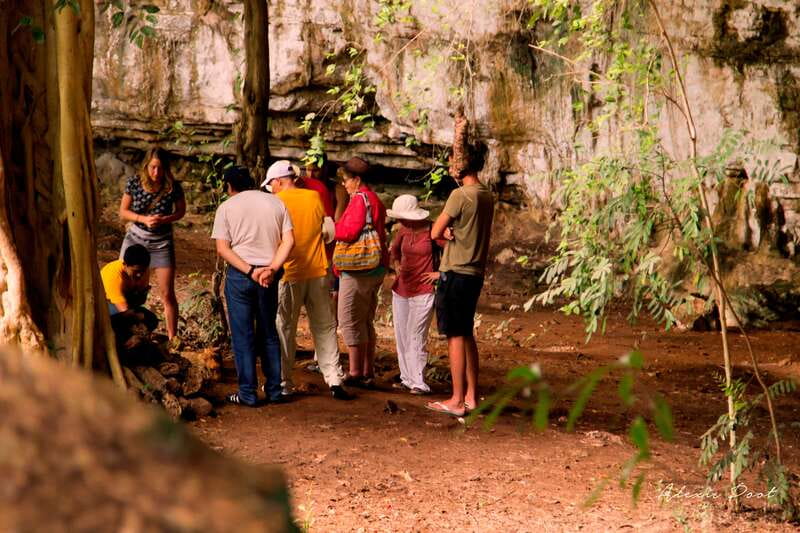
A dry cenote is an unusual place to meet bees. At Xkopek, you walk below ground into a stone chamber where local stingless bees live in the wild, then follow a jungle path to a working meliponario, or bee house. The tour finishes with honey, drinks, and other hive products.
I like the mix of nature and practical learning. You see the bees at close range, and you also learn which plants help produce honey in the Yucatan. The small group, limited to 10 people, gives the guide room to answer questions. The main drawback is the rough footing. Stairs and stony trails make this a poor fit for very young children or anyone who needs an easy, level walk.
Key points at a glance
- A dry cenote becomes the first bee habitat: Descend below ground to see local stingless bees in a natural setting.
- You may open a hive: Watch the bees’ unusual architecture and learn how honey and other hive products are handled.
- The tasting is a real part of the tour: Sample several honeys, a honey-sweetened drink, and other products from the hive.
- A bilingual guide leads the visit: Tours are offered in Spanish and English. Eduardo is one guide praised for clear, interesting explanations.
- The group stays small: A maximum of 10 participants makes it easier to see inside the hive and ask questions.
- The price is modest: At $18 per person, the visit gives you a 90-minute nature experience without requiring a full-day commitment.
Why this bee tour feels different from a standard tasting
Many honey visits begin and end at a shop. This one starts in the ground, in a dry cenote used by wild bees. That change in setting matters. You first see where local bees can live, then learn how people care for them in the meliponario.
The experience is also more hands-on than a simple talk. You walk, inspect plants, observe bees, look at hive construction, and taste the finished products. I like that order because it connects the landscape, the insects, and the food on your tasting table.
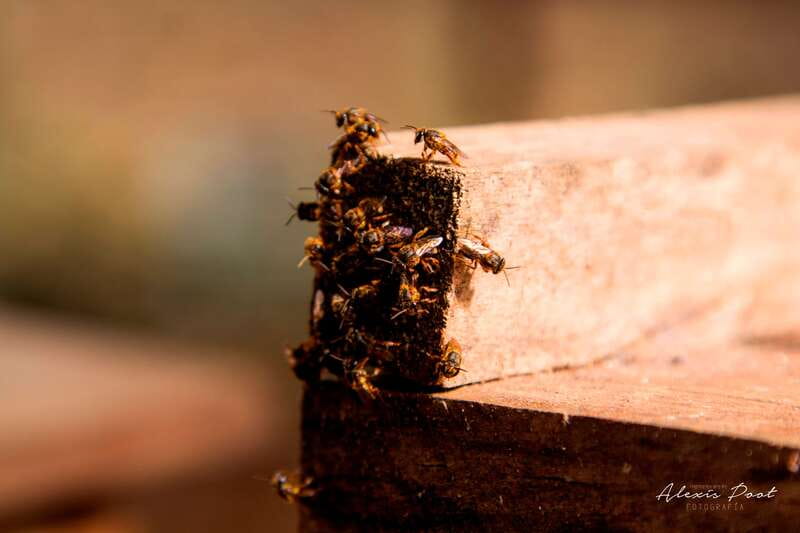
The focus is on local bee varieties, including stingless bees. You do not need to worry about a swarm of stinging insects during the cenote visit. The bees there do not have stings, so you can pay attention to their movement instead of keeping one eye on your arms.
This is not a long wildlife outing or a major archaeological attraction. It is a compact visit that works well when you have half a day in Valladolid and want something tied to the Yucatan rather than another standard sightseeing stop.
A few other Mexico days to price up
- Cabo Beach Camel Ride, Mexican Buffet and Tequila Tasting
★ 5.0 · 8,815 reviews - Early morning Chichen Itza Tour: Cenote and Tequila Tasting
★ 5.0 · 6,657 reviews - 4×4 ATV Adventure with Tequila Tasting and Mexican Buffet Lunch
★ 5.0 · 5,177 reviews
Starting with plants above the dry cenote
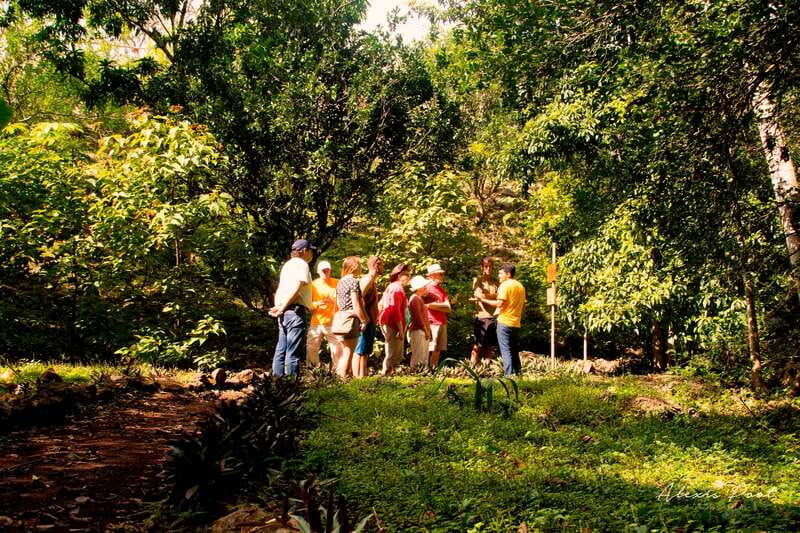
The tour begins with a walking section through the grounds of Xkopek Parque Apícola. Your guide introduces local plants and explains how people use them and why they matter to honey production.
That opening gives you a useful frame for the rest of the visit. Honey does not appear by magic in a jar. It depends on flowering plants, bees, and the local conditions that bring the two together. As you walk, you begin to see the connection between the vegetation and the products you will taste later.
The pace is designed for explanation rather than exercise. Still, wear comfortable clothes and closed shoes. The route includes stairs and stony areas, and the paths are not suited to flip-flops or delicate sandals.
The park setting also helps keep the tour from feeling like a classroom. You are outside, moving from one part of the grounds to another, with the guide pointing out plants along the way. If you enjoy learning through a short walk rather than sitting through a lecture, this part should suit you.
Descending into a cenote with stingless bees
The most memorable stop comes when you descend a stairway into a dry cenote. Unlike the water-filled cenotes often associated with the Yucatan, this one is a dry underground chamber, or vault.
Inside, you see local bees in their natural and wild state. The setting is the point. You are not simply looking at a hive brought into a display room. You are entering a natural space where bees have found shelter.
The bees are stingless, which makes close observation far less tense. You can watch their activity and listen to the guide explain the local varieties without the usual concern about provoking a stinging insect. That makes this a good choice for curious visitors who like nature but do not want an intense animal encounter.
The cenote also adds a sense of place. It connects the tour to the underground formations found across the Yucatan, while keeping the attention on the bees rather than turning the visit into a general cenote excursion.
Do not expect a large cave expedition. The visit is a short educational stop within a 90-minute program. You will need to manage stairs and uneven stone, so take your time on the descent and ascent.
Following the jungle path to the meliponario
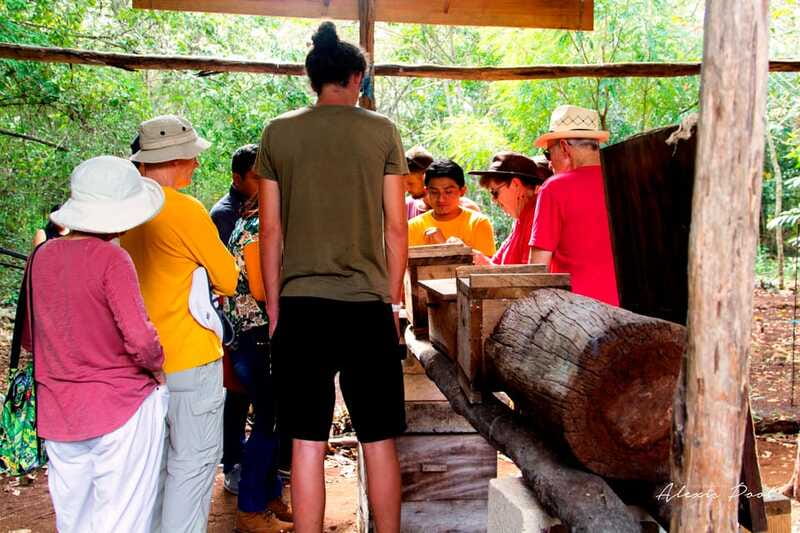
After the cenote, the route continues along a path through the park. The guide helps you identify the main plants used in honey production.
This walk is easy to overlook when reading the itinerary, but it adds useful context. You get to see the source of the bees’ food before examining the hive itself. The tour becomes a simple chain: local plants support bees, bees make honey, and people use the honey and other hive products.
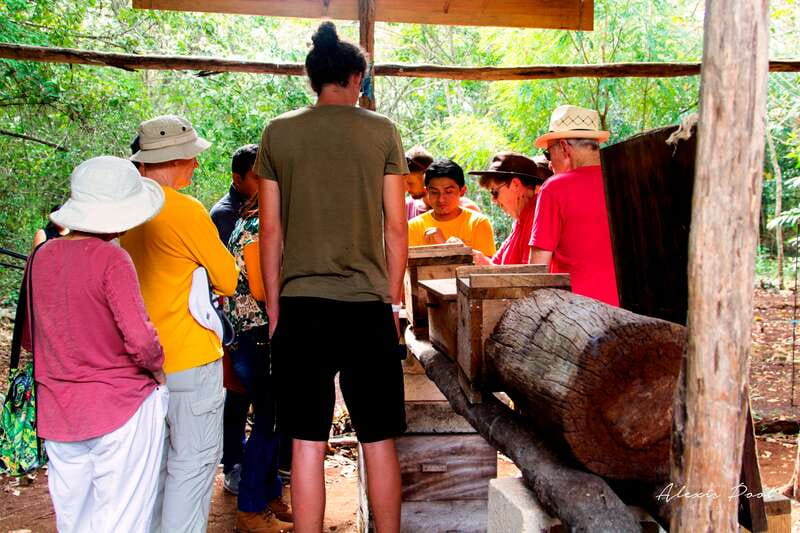
The word meliponario refers to a place where stingless bees are kept. At this stop, the guide explains how honey is produced and introduces other products from the hive. The discussion also covers their well-known health properties.
It is worth keeping health claims in perspective. The tour can explain traditional and commonly discussed uses, but tasting a hive product is not the same as receiving medical advice. I would treat this part as cultural and agricultural information, not as a substitute for a doctor’s guidance.
The path between the cenote and meliponario means you should dress for a walk. The operator permits only organic insect repellent, so plan ahead if you normally use a standard chemical spray. That rule protects the bees and the setting, but it is an important practical detail.
Same stretch of coast, a very different day:
- Chichen Itza, Cenote, and Valladolid Tour
★ 5.0 · 24,293 reviews - Chichen Itza, Cenote & Valladolid Tour with Tequila and Lunch
★ 4.5 · 15,789 reviews - Teotihuacan, Guadalupe Shrine & Tlatelolco Day Tour with Lunch
★ 5.0 · 11,603 reviews - Xochimilco, Coyoacan and Frida Kahlo with Optional Lunch
★ 4.5 · 7,320 reviews
Opening a hive and seeing bee architecture
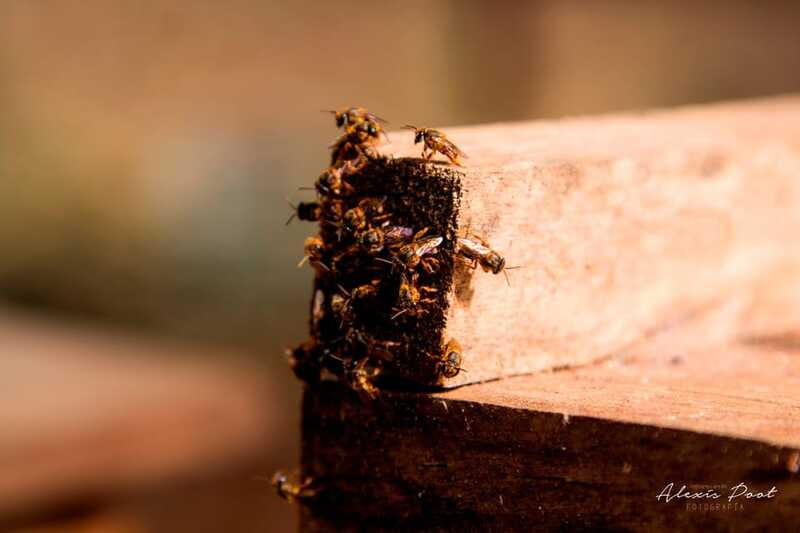
One of the stronger parts of the visit is the chance to open a beehive. The purpose is not to turn you into a beekeeper in a few minutes. It is to let you see how the hive is built and how the bees organize their home.
Bee architecture is easier to understand when you can look at it directly. The guide can point out the structure and explain the process in a way that a photograph cannot match. For many people, this will be the moment when the tour shifts from a pleasant nature walk to a memorable learning experience.
The exact amount of time spent with the open hive can depend on the group and the conditions, but the format is designed for close observation. A maximum of 10 participants is helpful here. You are less likely to be stuck far behind a large crowd, and you can ask questions in English or Spanish.
A guide such as Eduardo can make a difference. His explanations have been described as interesting and clear, and the activity allows room for questions. The guide’s role is especially important because bees, hives, and honey production can sound technical if explained too quickly.
You should follow instructions carefully at this stop. Even though the dry-cenote bees do not sting, the tour includes different bee settings, and the guide controls how the hive is opened and handled.
Honey, drinks, and products from the hive
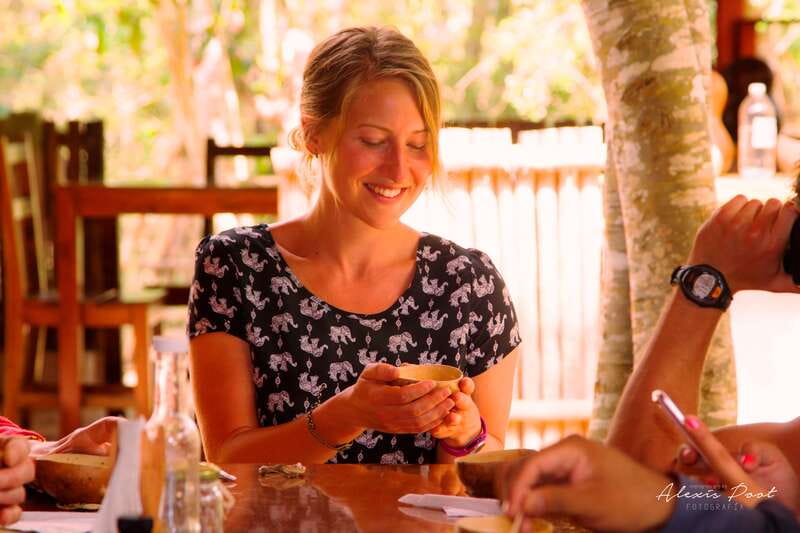
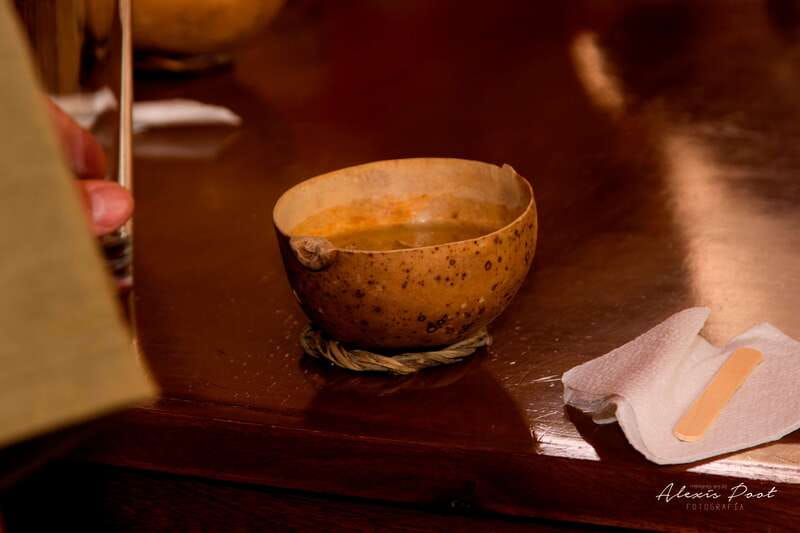
The final tasting is more than a quick spoonful of honey. You can sample several types of honey along with other products from the hive. A honey-sweetened drink is also included, as are fresh water and a small gift.
This is where the earlier stops come together. You have seen the plants, observed the bees, learned how the hive works, and then tasted the result. The tasting gives you a way to compare flavors rather than treating honey as one uniform ingredient.
The drink is a pleasant touch, especially after walking in the park. You are not paying extra for a full meal, so keep your expectations realistic. Food is not included, although one nearby cafe has been noted as a convenient place to eat after the visit.
The tasting also gives you a chance to decide what you actually like. If one honey appeals to you, the small shop at the end sells honey and souvenirs. You can take home a food item or a simple reminder of the visit, then take a souvenir photo before leaving.
For me, this is a better format than a shop tasting on its own. The products have a story attached to them. You understand where they come from and how they relate to the bees you just saw.
What the $18 price includes
At $18 per person, this is a good-value short activity for Valladolid. The price includes admission, a bilingual guide, the honey and hive-product tasting, fresh water, and a gift.
The value comes from the range of stops rather than the length. In 90 minutes, you get a guided walk, a dry cenote visit, a plant lesson, a meliponario presentation, a hive observation, and a tasting. That is a solid use of time if you want an activity that does not consume an entire morning or afternoon.
Transportation is not included. You need to reach Xkopek Parque Apícola at Calle 57 x 38, Colonia San Juan, beside the Sindicato de Taxistas Los Frailes, near Villas del Sol. A taxi is the straightforward option, and you can use Google Maps if you are driving.
The location is described as an easy-to-reach, safe part of town. Since you are arranging your own transport, allow enough time to find the entrance and arrive ready for the start time. The tour cannot provide the same value if you miss the opening walk and cenote explanation.
Free cancellation is available up to 24 hours before the activity, and you can reserve now and pay later. Those terms are useful if you are still arranging a Yucatan itinerary, but the main planning issue remains transportation and suitable footwear.
Who should book this experience
I would recommend Xkopek to you if you enjoy small nature attractions, local food traditions, and guided experiences with a clear subject. It is especially suitable for:
- Adults and older children who are curious about insects and plants
- Visitors who want a break from Valladolid’s streets and churches
- Anyone interested in stingless bees and traditional hive products
- People who prefer a small group over a large bus tour
- Visitors looking for a short activity that fits around other plans
The tour is not suitable for children under 5. The stairs, stones, and walking path are the main reasons to think twice if you have limited mobility. The supplied information does not describe the route as accessible, so contact the operator directly if you need specific assistance.
This is also not the right pick if you want a long swim in a cenote. The cenote here is dry, and the purpose is to see bees and local plants. Likewise, do not book it expecting a full meal. The tasting includes honey, hive products, a drink, and water, but food is not included.
Practical tips for a smoother visit
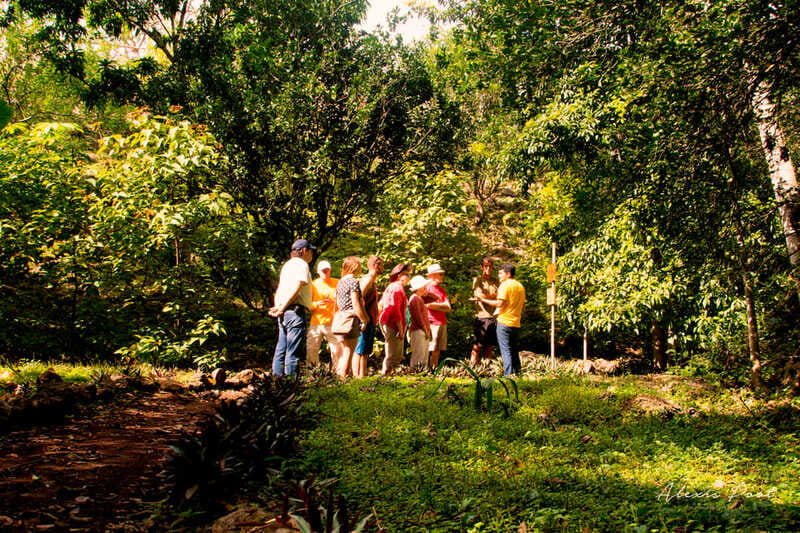
Wear closed shoes with good comfort for stairs and uneven ground. Lightweight walking clothes make sense, but choose something suitable for a short jungle path rather than a pool day.
Use only organic repellent. This is a firm instruction and protects the bees. If you need insect protection, bring an approved organic product rather than assuming you can use whatever is in your hotel bathroom.
Keep your group small when asking questions. The guide can explain the bee varieties, plants, hive structure, and honey process, but the visit is only 90 minutes. If you have a particular interest, such as the dry cenote or the tasting, mention it early.
English and Spanish tours are available. If you have food concerns or questions about the hive products, ask the bilingual guide before tasting. The included fresh water is useful, but bringing a water bottle may still be sensible for the walk.
Plan a little time after the tour if you want to browse the shop or eat nearby. The final store is small, so do not expect a large market. Its value is the chance to buy honey or a souvenir connected directly to the visit.
Should you book Xkopek in Valladolid?
Book it if you want an affordable, focused introduction to Yucatecan bees with more substance than a simple tasting. The dry cenote is the unusual feature, the hive opening adds a hands-on element, and the final sampling gives you something enjoyable to do after the explanations.
The strongest reasons to go are the close look at stingless bees and the well-rounded tasting. The setting feels tied to Valladolid and the surrounding Yucatan rather than built only for shopping. A 4.8 rating from 66 bookings also fits the experience’s clear strengths: friendly bilingual guidance, useful information, and a satisfying finish.
Skip it if you need a flat, fully accessible route, if you are traveling with a child under 5, or if you want a swimming cenote and a full meal. For most other visitors, $18 is a fair price for 90 minutes of nature, local knowledge, and honey tasting.
FAQ
How long does the Xkopek Mayan Bees Tour last?
The tour lasts 90 minutes.
What languages are available?
The experience is offered with a live guide in Spanish or English.
What is included in the price?
Admission, a bilingual guide, honey and hive-product tastings, fresh water, and a gift are included.
Is transportation included?
No. You need to arrange your own transportation to Xkopek Parque Apícola in Valladolid. You can take a taxi or use Google Maps if you are driving.
Can children join the tour?
Children under 5 are not permitted on this activity.
What should I wear?
Wear comfortable clothes and closed shoes suitable for stairs, walking, and stony trails. Only organic insect repellent is allowed.
New on the Mexico list
- Day of the Dead Tour in San Andres Míxquic From Mexico City★ 3.7 · 52 reviews
- Swim with Whale Shark from Isla Mujeres and Cancun★ 4.5 · 52 reviews
- Bacalar Lagoon of 7 Colors from Playa del Carmen and Tulum★ 4.5 · 52 reviews
- Biggest Luxury Yacht Boat Best in Cancun up to 28 pax★ 5.0 · 52 reviews
- El Cielo Cozumel Snorkel tour by Catamaran★ 4.0 · 52 reviews
- Tulum: Private Snorkel and Sailing Experience★ 4.8 · 52 reviews
- Reef Snorkel In National Park In Puerto Morelos With Lunch And Transportation★ 4.0 · 52 reviews
- From Playa del Carmen: Whale Shark Tour★ 4.3 · 52 reviews
Valladolid Tours, compared.
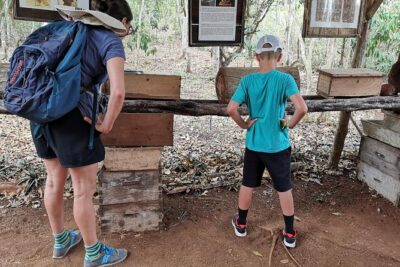
Valladolid Mayan Bees Tour with Lunch or breakfast and Honey Tasting
Read our review →
Rio Lagartos guided boat tour- Ek Balam from Valladolid
Read our review →
Full Day Tour Chichen Itza plus Cenotes From Valladolid
Read our review →
Shared Mezcal Tasting Experience in Valladolid Mexico
Read our review →
Chichen Itza skip the line – Cenote – Izamal from Valladolid
Read our review →
Browse the lists this tour appears in