
Reviewed · VALLADOLID TOURS
Valladolid Mayan Bees Tour with Lunch or breakfast and Honey Tasting
Mayan bees are the stars here, but the setting is just as memorable: you walk down into a dry cenote to see native stingless bees living in the rock, then follow a jungle path to active hives. I like the mix of nature and Mayan culture, and I like that the short tour includes a real meal rather than a token snack. The one concern is mosquitoes, which can be thick in this wooded setting.
I also appreciate the small group limit of 10 and the easy meeting point near central Valladolid. Ask for one of the four guides, Jorge, Dianela, Gerardo, or Julia, and wear closed walking shoes. If your tour is bilingual, make sure information is shared evenly in both languages, since one family reported long stretches in Spanish that left English-only members out.
Key points to know before booking
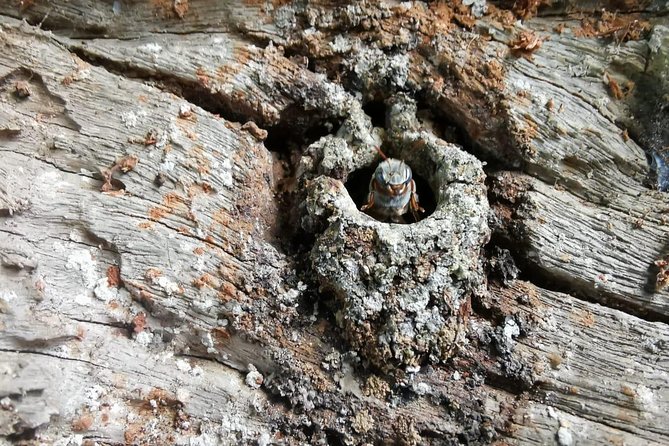
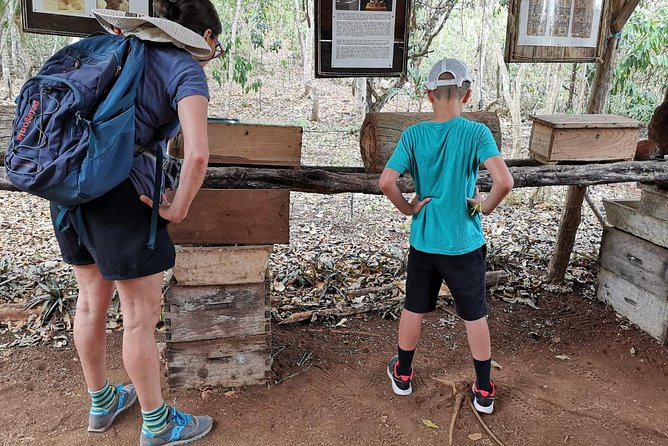
- Stingless Mayan bees: See local melipona bees in a dry cenote and learn why they matter to Mayan culture.
- A real nature walk: The route includes stairs, a cenote vault, jungle paths, and plant identification.
- Honey tasting included: Sample several honeys and other hive products, including pollen and propolis.
- Breakfast or lunch: Choose quesadillas, eggs, or an omelet in the morning, or poc chuc or empanadas later.
- Small groups: The experience accepts a maximum of 10 people, making questions and hive viewing easier.
- Bring mosquito protection: Organic repellent is requested, and long sleeves and trousers are sensible.
Why the dry cenote is the highlight
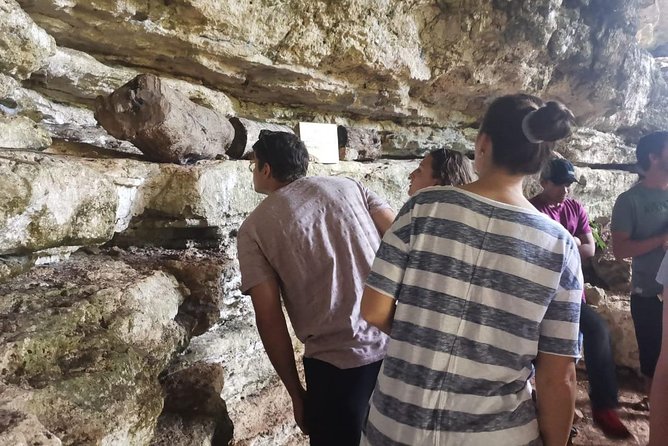
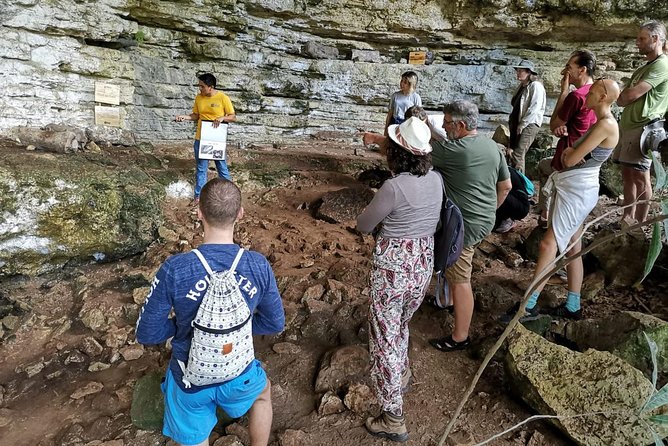
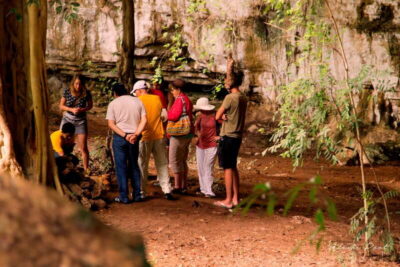
Most visitors come to the Yucatán for grand ruins and swimming cenotes. Xkopek gives you a different kind of underground experience. The tour begins with a walk to a stairway, then descends into a dry cenote where plants grow around the rock and native bees occupy natural spaces in the cenote vault.
This is not a swimming stop. You are there to see how the bees live in their natural setting and to understand the connection between the rock, plants, and pollinators. That makes the visit feel more like a small field lesson than a standard attraction.
The local melipona bees are stingless because they do not have stingers. That fact makes close viewing less nerve-racking, especially for children or anyone who normally gives bees a wide berth. Still, do not assume every bee in the area is harmless. One detailed account noted that invasive European bees also occur in the Yucatán and may be present around the cenote. Follow the guide’s instructions and avoid swatting at insects.
The stairway and the walk require moderate fitness. The route is not presented as difficult, but it is not a flat restaurant visit either. Comfortable closed shoes are required, and I would not choose sandals for this outing.
A few other Mexico days to price up
- Cabo Beach Camel Ride, Mexican Buffet and Tequila Tasting
★ 5.0 · 8,815 reviews - Early morning Chichen Itza Tour: Cenote and Tequila Tasting
★ 5.0 · 6,657 reviews - 4×4 ATV Adventure with Tequila Tasting and Mexican Buffet Lunch
★ 5.0 · 5,177 reviews
Walking through the plants that feed the hives
After the cenote, you continue along a jungle path. The guide points out plants used in honey production and explains their value to the local ecosystem. This part helps connect the tasting later to the place itself. Honey is not just a jar on a shop shelf; its taste and character depend on what the bees can reach.
The walk is also a good chance to slow down and look around. The park is green and wooded, and the natural setting supports the bee project. One visitor even spotted a motmot, a colorful bird commonly associated with the Yucatán, though wildlife sightings are never guaranteed.
Bring organic mosquito repellent, as requested by the operator. A strong application before the walk is sensible, and long sleeves and trousers can make the outing more comfortable. The wooded area is close to Valladolid, but it still feels like working habitat for bees rather than a polished city park.
Inside the meliponario
The next stop is the meliponario, the area where the bees are kept and studied. Here you learn how honey is produced, what other hive products are made, and how those products are used. The discussion includes reported health properties, so listen carefully and treat those claims as cultural and product information rather than medical advice.
The most hands-on moment comes when the guide opens a hive so you can see the bees and their nest structure. This is where the tour earns its place on an itinerary for anyone interested in insects, ecology, food, or traditional Mayan practices. You see the architecture of the colony rather than only hearing a general explanation.
The guides use visual material as well. One visitor specifically noted that the guide used a tablet with videos and illustrations while explaining the bees in the cenote. That can help when the subject is unfamiliar, especially for children or anyone who does not know the difference between native melipona bees and European honeybees.
The guides are Jorge, Dianela, Gerardo, and Julia. One of them accompanies each group. Individual guide assignments may vary, but the repeated strength of this experience is the personal explanation. If you are especially interested in beekeeping, tell the guide early. A beekeeper from California found the hive work especially rewarding, and the format gives you a chance to ask more than a basic tourist question.
What you taste at the honey table
The tasting follows the hive visit. Expect several types of honey and other bee products, with past tastings including pollen, propolis, and additional preparations made from the hive. Some visitors sampled as many as nine products.
This is not a huge food event, but it is a useful comparison. Different honeys can vary in color and flavor, and tasting them side by side gives you a better sense of what local bees produce. The honey is also tied to the plants you just saw, which makes the sequence of the tour work well.
The tasting can include sweet products and items presented for skin care or other uses. The small shop sells honey and souvenirs, and one visitor was particularly pleased with a moisturizing cream. You can buy something here if you want a practical reminder of the experience, but there is no pressure in the information provided to make a purchase.
A small serving of fresh tortillas, tacos, salsa, or another snack may appear around the tasting, depending on the package and timing. Treat that as an extra, not a replacement for the included breakfast or lunch.
Same stretch of coast, a very different day:
- Chichen Itza, Cenote, and Valladolid Tour
★ 5.0 · 24,293 reviews - Chichen Itza, Cenote & Valladolid Tour with Tequila and Lunch
★ 4.5 · 15,789 reviews - Teotihuacan, Guadalupe Shrine & Tlatelolco Day Tour with Lunch
★ 5.0 · 11,603 reviews - Xochimilco, Coyoacan and Frida Kahlo with Optional Lunch
★ 4.5 · 7,320 reviews
Breakfast or lunch makes the short visit better value
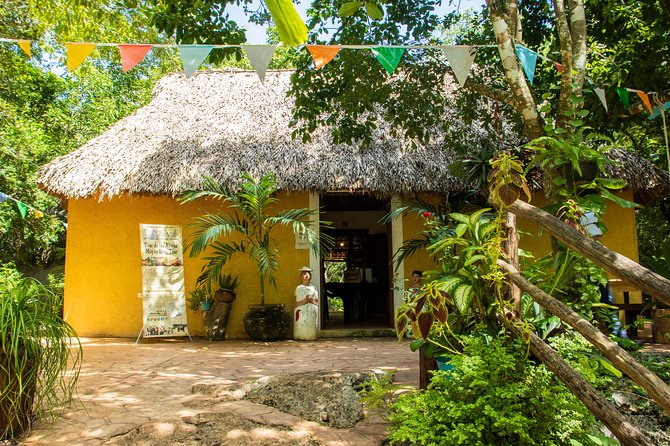
The meal is one of the strongest practical reasons to book this experience. A 90-minute activity that includes only a talk and tasting might feel brief. Add a proper meal at the on-site restaurant, and the outing becomes a useful half-stop during a day in Valladolid.
Breakfast choices include quesadillas, scrambled eggs, or an omelet with up to two ingredients. Fruit water of the day is included. For lunch, choose traditional poc chuc with pork or chicken, or empanadas, also with fruit water.
The food receives strong praise, especially the lunch and breakfast. Several people describe the meal as delicious or excellent, while one more measured account found the food good for the price but not exceptional. That is a fair way to see it. You are booking the meal as part of a cultural and nature experience, not as a destination restaurant reservation.
The restaurant and washrooms have been described as clean, which matters when you are combining a walk, a meal, and a stop in a natural area. If you book the breakfast option, the earliest departure mentioned in the experience details is 8:30 a.m. That timing is useful in hot weather, since the walk should be more comfortable before the midday heat builds.
Check that your chosen package includes the meal you expect. One person arrived expecting breakfast and found it was not included, despite the ticket wording. The supplied tour information says breakfast or lunch is included, but confirming the selected option at booking can prevent confusion.
How long the tour takes and how the group size helps
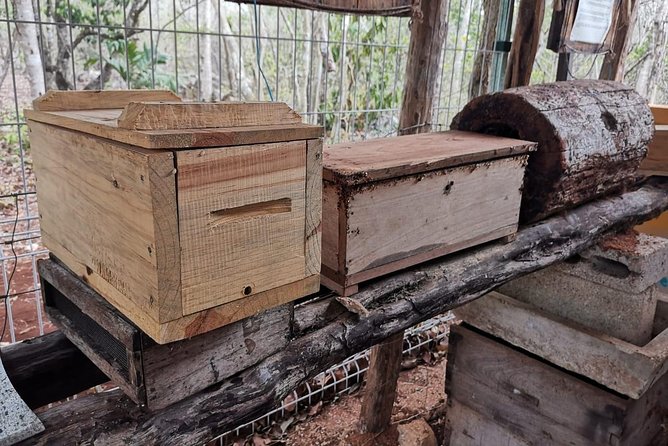
Plan on about 1 hour and 30 minutes for the full experience. That includes the walk to the cenote, the plant and bee explanations, the meliponario visit, the tasting, and the meal component. The exact pace can depend on questions and on how long the food service takes.
The group limit is 10 people. That is a useful size for a hive demonstration because everyone has a better chance to see the nest structure and ask about the bees. It also keeps the walk from feeling like a large procession.
The meeting point is Xkopek Parque Apícola on Calle 57 between Calle 36 and Calle 38, in Valladolid. It is near public transportation, and the activity ends back at the same place. Free parking is available on site, which helps if you are driving.
This location works well if you want an easy addition to a Valladolid morning or afternoon. It is close enough to the city to avoid a long transfer, but the wooded grounds provide a change from streets, churches, and archaeological sites. The mobile ticket and immediate booking confirmation also make the start simple.
Language and guide quality
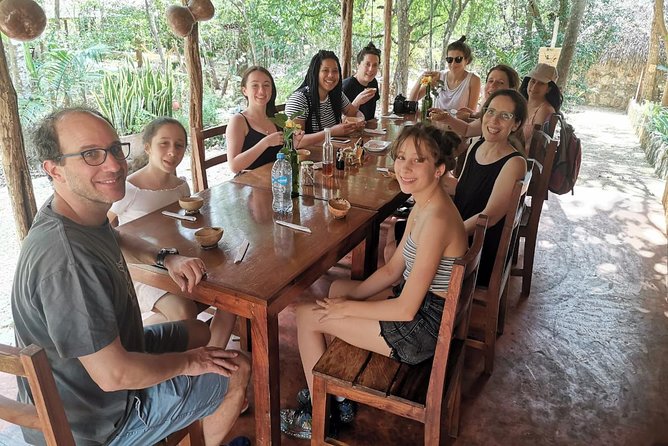
The experience is offered in English, and several guide accounts describe clear English explanations. The guide team is listed as Jorge, Dianela, Gerardo, and Julia, with one guide accompanying your group.
There is one important language point. If your group includes Spanish and English speakers, ask how the explanation will be divided. A bilingual family group found that too much information was delivered in Spanish at one stretch, leaving English-only members bored. That does not mean every bilingual tour will have the same problem, but it is a reasonable request to make at the start: keep the languages balanced as the tour progresses.
The subject rewards a good guide. You are learning about bee species, nest structures, Mayan connections to the natural world, plant use, and conservation. A guide who pauses for questions and uses visual aids can turn a short walk into a memorable lesson. The strongest accounts describe guides as friendly, passionate, and easy to follow.
Who will enjoy Xkopek most
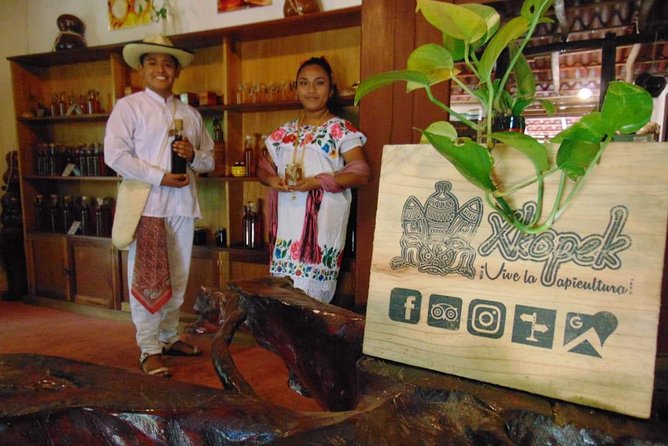
I would recommend this tour to families, couples, solo visitors, and anyone seeking something different from the usual Valladolid stops. Children can follow the simple wonder of seeing small stingless bees up close, and one six-year-old reportedly talked about bees for the rest of the trip.
It is also a good choice for anyone interested in:
- Native bees and pollination
- Mayan relationships with plants and animals
- Small-scale food production
- Environmental conservation
- Local honey and skin-care products
- A short activity with food included
Beekeepers and biology enthusiasts may want to set aside extra time for questions. The tour is not a technical professional course, but opening a hive and seeing the nest structure adds a level of detail that a general sightseeing walk lacks.
You should reconsider if you have a bee allergy. The booking information specifically says participants should not be allergic to bees. You also need moderate physical fitness for the stairs and jungle path. This is not the right pick for someone looking for a fully flat, seated activity.
Practical tips for a comfortable visit
Wear closed shoes with a firm sole. The dry cenote descent and natural paths call for more support than flip-flops provide.
Apply organic mosquito repellent before you arrive, and consider long sleeves and trousers. The park is close to Valladolid, but the bee habitat is surrounded by vegetation, and mosquitoes can be plentiful.
Bring your questions. Ask about the different melipona types, the nest structure, the plants that feed the bees, and how Mayan beekeeping differs from modern European-style practices. The guides have plenty to explain, and the experience is better when you treat it as a conversation rather than a quick photo stop.
Keep your camera ready for the final souvenir photo. The tour ends with a photo opportunity, followed by the small shop. You can then eat at the on-site restaurant if your package includes breakfast or lunch.
The tour requires good weather. If poor weather causes cancellation, you are offered another date or a full refund. Otherwise, cancellation is free up to 24 hours before the start time. Inside 24 hours, there is no refund, and changes are not accepted.
Is the tour worth booking?
Yes, if you want an affordable, compact activity that combines nature, Mayan culture, food, and a hands-on demonstration. The included meal improves the value, while the dry cenote and native stingless bees give the visit a clear identity beyond a standard honey shop.
Book it especially if you have a free morning in Valladolid, are traveling with children, or have already seen the main ruins and swimming cenotes. Choose the early breakfast timing if heat and mosquitoes concern you. Pack repellent, wear closed shoes, and confirm the meal and language arrangement before you begin.
Skip it if you have a bee allergy, dislike walking on uneven natural paths, or want a long technical beekeeping course. For most curious visitors, though, Xkopek offers a brief and distinctive look at the living traditions behind one of the Yucatán’s most important local foods.
FAQ
Where does the Valladolid Mayan Bees Tour begin?
The tour begins at Xkopek Parque Apícola, located on Calle 57 between Calle 36 and Calle 38 in Valladolid, Yucatán.
Where does the tour end?
The activity ends back at the Xkopek Beekeeping Park meeting point.
How long does the experience last?
The experience lasts approximately 1 hour and 30 minutes.
Is the tour offered in English?
Yes. The tour is offered in English. A team of four guides, Jorge, Dianela, Gerardo, and Julia, leads the experiences.
Are the Mayan bees dangerous?
The native melipona bees shown during the tour are stingless because they do not have stingers. Other bee types, including European bees found in the Yucatán, may also be present and can sting.
What food is included?
Breakfast options include quesadillas, scrambled eggs, or an omelet with up to two ingredients. Lunch options include traditional poc chuc with pork or chicken, or empanadas. Fruit water of the day is included.
What should I wear?
Wear comfortable closed shoes suitable for stairs and walking. Organic mosquito repellent is recommended, and long sleeves and trousers may help in the wooded area.
Is the tour suitable for people with bee allergies?
No. The tour information says participants should not be allergic to bees.
What is the cancellation policy?
You can cancel at least 24 hours before the local start time for a full refund. Cancellations or changes made less than 24 hours before the start time are not accepted for a refund. If poor weather cancels the activity, you can choose another date or receive a full refund.
New on the Mexico list
- Day of the Dead Tour in San Andres Míxquic From Mexico City★ 3.7 · 52 reviews
- Swim with Whale Shark from Isla Mujeres and Cancun★ 4.5 · 52 reviews
- Bacalar Lagoon of 7 Colors from Playa del Carmen and Tulum★ 4.5 · 52 reviews
- Biggest Luxury Yacht Boat Best in Cancun up to 28 pax★ 5.0 · 52 reviews
- El Cielo Cozumel Snorkel tour by Catamaran★ 4.0 · 52 reviews
- Tulum: Private Snorkel and Sailing Experience★ 4.8 · 52 reviews
- Reef Snorkel In National Park In Puerto Morelos With Lunch And Transportation★ 4.0 · 52 reviews
- From Playa del Carmen: Whale Shark Tour★ 4.3 · 52 reviews
Valladolid Tours, compared.
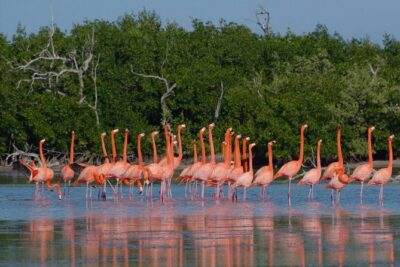
Rio Lagartos guided boat tour- Ek Balam from Valladolid
Read our review →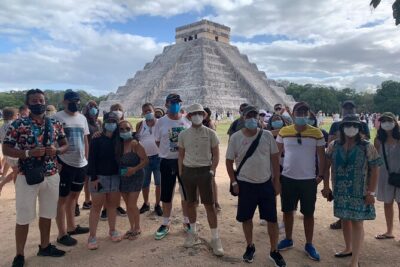
Full Day Tour Chichen Itza plus Cenotes From Valladolid
Read our review →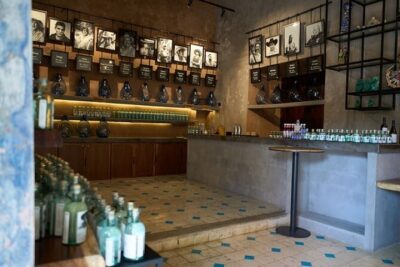
Shared Mezcal Tasting Experience in Valladolid Mexico
Read our review →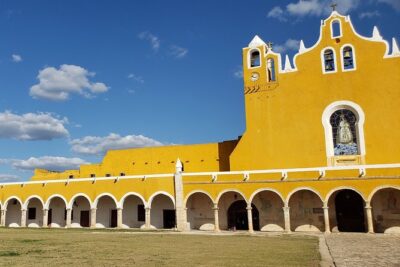
Chichen Itza skip the line – Cenote – Izamal from Valladolid
Read our review →
Xkopek, Mayan Bees Tour and Honey Tasting in Valladolid
Read our review →Browse the lists this tour appears in