
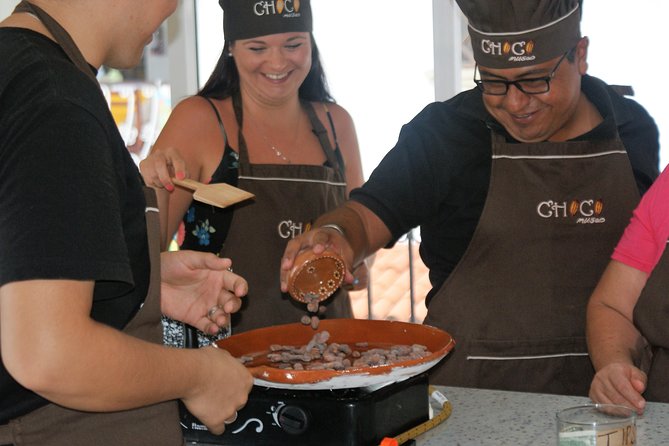
Reviewed · PUERTO VALLARTA TOURS
Bean to Bar Chocolate Workshop in Puerto Vallarta
The best part of this Puerto Vallarta activity is that you do not just taste finished chocolate. You handle cacao beans, learn how they become chocolate, sample several drinks, and make your own bars to take away. I especially like the link between Mexican history and everyday food, plus the small group size, which gives you room to ask questions and take part.
I also like that this works for both adults and children as young as five. Guides including Rodrigo, Martin, Elias, and Zoar are praised for keeping the lesson lively and welcoming. The main caution is the warm Puerto Vallarta climate: the workshop room has air conditioning during the class, but anyone arriving early may find the shop and other areas hot.
Key things to know before you book
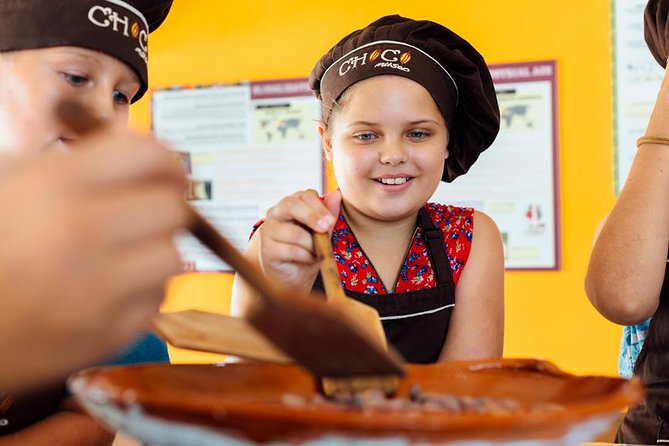
- You make chocolate, not just taste it: Roast cacao, prepare drinks, and create bars with your preferred toppings.
- The history lesson has real substance: The workshop connects cacao with Olmec, Maya, Aztec, and European traditions.
- Guides shape the experience: Rodrigo, often called Rod, Martin, Elias, and Zoar are noted for humor, patience, and clear teaching.
- The group is limited to eight people: That makes the hands-on work easier and keeps the session personal.
- It suits families: Children age five and up can participate, and the activity keeps young minds busy with tasting and making.
- Plan your own way to the museum: Transportation is not included, and the class begins and ends at ChocoMuseo in Centro.
From cacao bean to chocolate bar in two hours
The workshop takes place at ChocoMuseo Puerto Vallarta on Josefa Ortiz de Domínguez in the Centro area. You remain at the museum for the full activity, which lasts about two hours.
The format is part lesson, part tasting, and part kitchen project. You begin with the cacao plant and bean, then follow the production process toward the chocolate most of us know. This gives the class a useful shape. Instead of hearing disconnected facts, you see how farming, roasting, grinding, drinking, and molding fit together.
The pace matters. A chocolate tasting alone might fill an hour, but this class gives you a reason to stay engaged. You have something to do with your hands, and the final chocolate-making session gives the earlier information a practical purpose.
The workshop is offered in English. You receive an apron and hat for the class, along with the cocoa beans, chocolate, and toppings used during the activity. Your finished creations are yours to take with you, although the exact quantity and style of the finished pieces are not specified.
A few other Puerto Vallarta days to price up
- Yelapa Waterfall, BBQ at Exclusive Majahuitas Beach & Open bar
★ 4.5 · 760 reviews - Las Caletas Beach & Adventure Park with buffet lunch and open bar
★ 4.5 · 755 reviews - Luxury Yacht & Snorkel with All inclusive Open bar and lunch
★ 4.5 · 754 reviews
The museum lesson: cacao in Olmec, Maya, and Aztec life
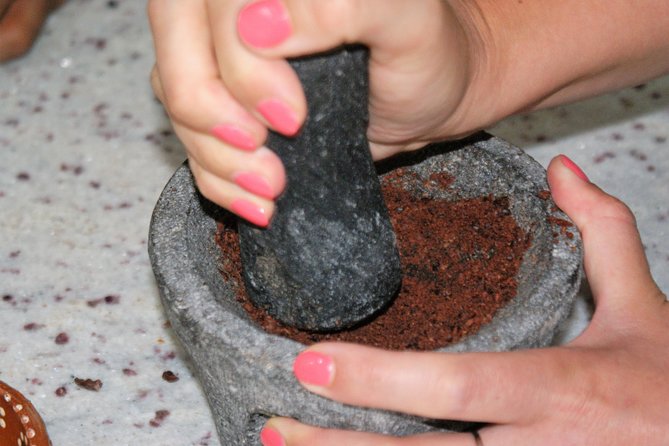
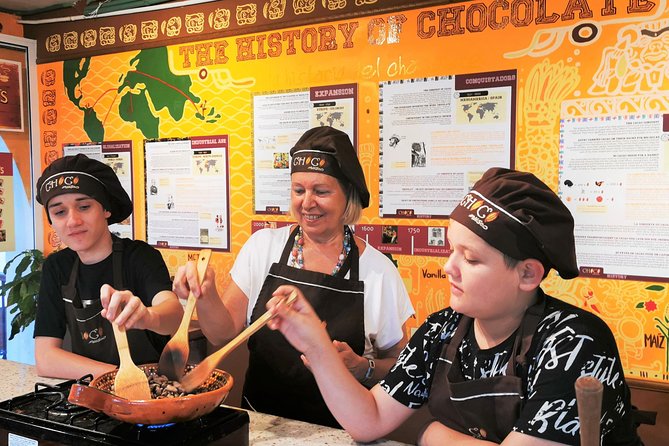
The first section explains where cacao grows and how the bean is changed into chocolate. The lesson also covers the role of cacao among the Olmecs, Maya, and Aztecs, followed by its development after contact with Europe.
This is one of the strongest reasons to choose the workshop over a basic candy-store stop. Cacao is presented as part of Mexican culture, not only as a sweet snack. You learn how its use changed over time and how the drink and food traditions developed before becoming familiar around the world.
The class uses museum displays and posters to support the guide’s explanation. That helps when the subject becomes more detailed. You are not expected to remember a long lecture without visual help.
Guides bring much of the personality. Rodrigo, known as Rod, is repeatedly praised for being funny, patient, and good at including everyone. Martin is described as friendly, organized, and clear about the chocolate-making process. Elias has led a chronological presentation that moves from early cacao traditions to later forms of chocolate. Zoar is noted for enthusiasm and care, including with families who needed extra assistance.
Your guide may be one of these instructors, so the tone can vary slightly from one session to another. The common thread is an informal teaching style rather than a stiff museum talk.
Tasting cacao in several forms
The tasting portion is more interesting than simply sampling dark and milk chocolate. The workshop can include roasted cacao beans, cacao shells used for tea, hot chocolate made with the bean, and several drinks that show how cacao changed over time.
One useful lesson here is that cacao and modern chocolate are not the same thing. You get to notice differences in preparation, texture, sweetness, and flavor. The shell tea and bean-based drinks also show how much of the cacao product can be used.
The tasting builds toward the making session. After trying the ingredients in different forms, you have a better sense of what you want to add to your own chocolate.
I would bring water if you like to reset your palate between samples. One participant suggested that water would help with this, and it is a sensible tip for anyone who enjoys tasting carefully. The supplied details do not say that water is provided.
You can also arrive a little early if you want to browse the shop and try its free samples. The shop is described as small, with staff who are not pushy about sales. Keep in mind that early arrival may mean time in areas that are warmer than the air-conditioned workshop room.
Making your own custom chocolate
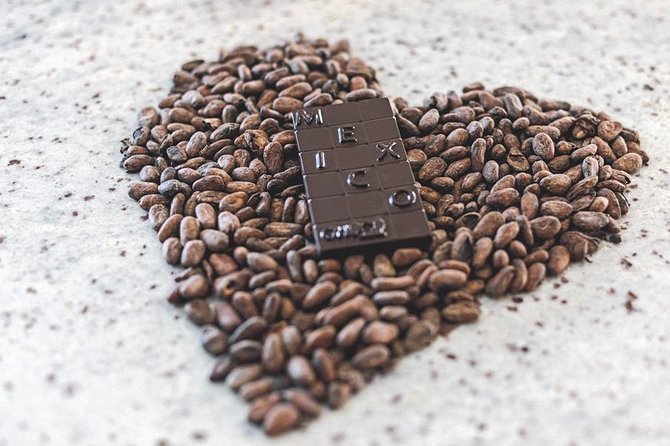
The hands-on finale is the part most likely to keep children focused. You choose toppings and flavors, then create chocolate bars or molded pieces according to your own preferences.
This is not a professional chocolatier course. You are not being trained to temper chocolate for a shop or produce perfect boxed candies. Instead, you are guided through a simple, social activity that lets you turn the earlier lesson into something personal.
That distinction is important for setting expectations. If you want advanced pastry technique, a truffle, macaron, or éclair class may be a better fit. If you want a relaxed activity where each person can make a bar with a favorite blend of spices or toppings, this workshop is a good match.
The activity is hands-on enough that adults do not need to sit back while children do all the work. Guides help keep the class moving and make sure participants are included. One family particularly appreciated that the instructor handled a noisy group of children without allowing the class to lose its rhythm.
Your chocolate is intended to go home with you. Plan for it to be soft if Puerto Vallarta is hot, and handle it with care after leaving the museum. The supplied information does not specify packaging or storage, so ask the staff if you need advice before heading back into the sun.
Same stretch of coast, a very different day:
- Puerto Vallarta Best Zipline Canopy + Tequila and Speed Boat Ride
★ 5.0 · 3,786 reviews - Winner 2025 Downtown Vallarta Food Tour with Vallarta Food Tours
★ 5.0 · 3,738 reviews - Extreme Adventure, Wildest Bridge, ATV & Ziplines
★ 5.0 · 3,179 reviews - Mega Yacht ALL INCLUSIVE Yelapa Waterfall & Snorkeling Adventure
★ 5.0 · 2,515 reviews
Why the small group matters
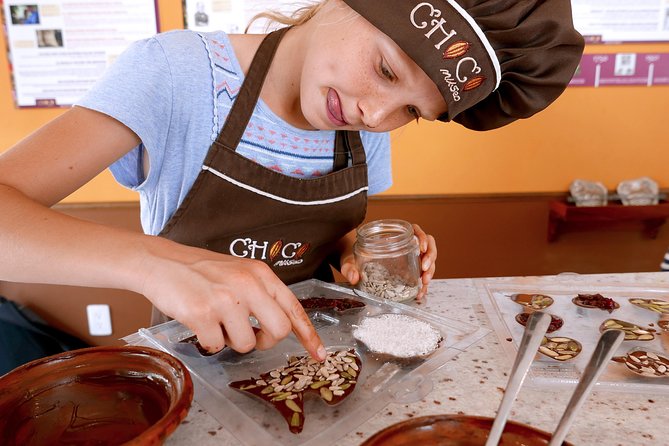
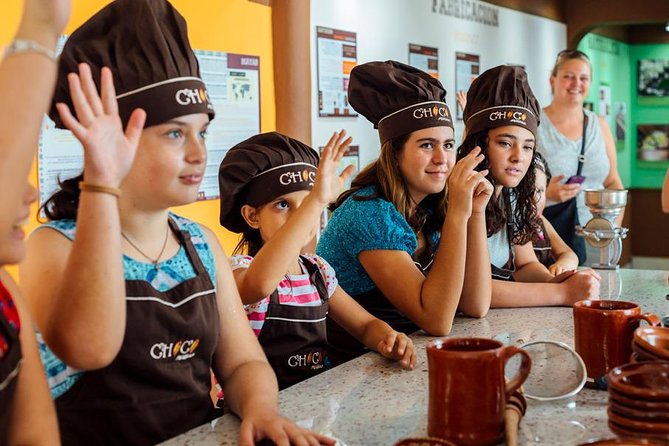
The maximum group size is eight people. That is a useful limit for a workshop where everyone should roast, taste, mix, and decorate.
Small groups also make the history segment easier to follow. You can ask about cacao preparation, regional traditions, or the ingredients on the table without trying to speak over a large tour. Guides such as Rod and Martin are praised for learning names, listening, and making the class feel friendly.
The group size can still affect the mood. A family with energetic children may bring more noise, while a group of adults may spend more time asking about flavor. The instructors appear used to mixed ages, but this remains a shared class rather than a private lesson.
The activity is open to children from age five. Several family accounts describe five-year-olds, nine-year-olds, and teenagers staying interested through the history, drinks, and chocolate-making. Children who enjoy touching, tasting, and choosing ingredients will get more from it than children who dislike new flavors or sitting on counter-height stools.
Practical details at ChocoMuseo Puerto Vallarta
You meet at ChocoMuseo Puerto Vallarta, located at Josefa Ortiz de Domínguez 128, Centro, Puerto Vallarta, Jalisco 48300. The workshop ends at the same location.
Transportation is not included. You need to arrange your own way to the museum, so allow time to find the address and arrive ready for the start. The activity is near public transportation, but the supplied information does not identify a specific route or stop.
The ticket is mobile, which makes it easy to keep your booking on your phone. Confirmation arrives when you book, and the activity is offered in English.
The museum has stairs to the second floor with handrails, and the class uses counter-height stools. Service animals are allowed. Most people can participate, but anyone with mobility concerns should consider the stairs and seating before booking. The supplied information does not confirm an elevator or a particular setup for every mobility need.
Heat deserves a practical note. Puerto Vallarta can be hot and humid, and one failed visit was linked to an overheated room before the scheduled class. The provider states that air conditioning is turned on one hour before the workshop and remains on during the activity. If you arrive well before the start, conditions in the shop or unused classroom areas may not be the same as during the session.
Is $62.90 a fair price?
At $62.90 per person, this is not a cheap chocolate tasting. The value comes from the length and structure of the class: about two hours, a museum tour, an English-speaking guide, several cacao products, a working apron and hat, ingredients, and chocolate to take home.
I see the price as reasonable if you want a planned cultural activity rather than a quick sample. You are paying for instruction and participation, not only for the candy you leave with. The Mexican context also gives the session more purpose than a standard make-your-own dessert class.
The value is strongest for families and couples who would otherwise spend money on separate snacks and a short indoor activity. A family can share one experience while each person makes something different.
The price may feel high if your main goal is buying chocolate. The museum shop offers samples, and you can purchase sweets without taking the workshop. In that case, this class is worth choosing only if the history and hands-on work appeal to you.
A customary tip of 15 to 20 percent may be given to the teacher if you enjoyed the workshop. It is not included in the stated price.
Who will enjoy this workshop most?
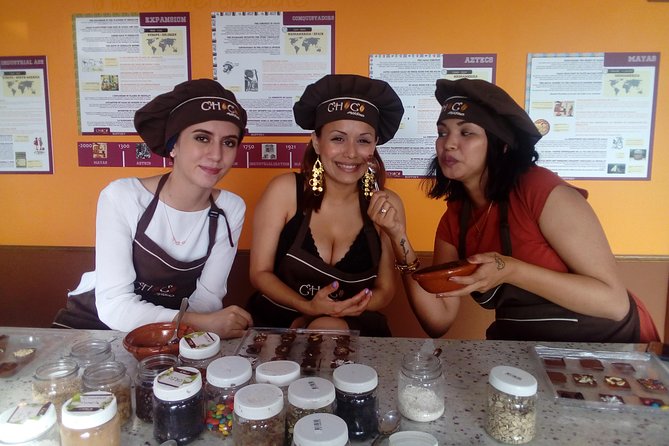
I would recommend it to families with children five and older, especially if you need a break from outdoor heat or beach time. The class gives children clear tasks, while the history and tasting keep adults involved.
It also suits couples and friends looking for a two-hour activity in central Puerto Vallarta. You can compare flavors, make different bars, and leave with a personal souvenir rather than a mass-produced item.
Chocolate fans will appreciate the chance to taste cacao in forms beyond finished candy. The workshop is also useful for anyone curious about Mexican food traditions and how a local ingredient moved through Olmec, Maya, Aztec, and European history.
I would be more cautious about booking if you want a quiet, adult-only tasting, advanced confectionery skills, or a fully accessible room without stairs. The class welcomes mixed ages, and the seating is on counter-height stools.
The experience is generally well received, with a 4.9 rating from 381 ratings and recommendation from 98 percent of participants. That does not remove the practical issues of heat, seating, or the fixed two-hour format, but it does match the strongest features: engaging instructors, clear cultural background, and plenty of participation.
Booking and cancellation advice
This activity is often reserved about 20 days ahead. If your Puerto Vallarta dates are fixed, booking early is sensible, especially if you want a particular day or time.
You can cancel for a full refund up to 24 hours before the start time. Cancellations or changes made within 24 hours are not refunded or accepted. The cut-off follows local time, so check the scheduled start carefully before making a last-minute change.
Should you book the Bean to Bar workshop?
Book it if you want more than a sugar stop. You will learn how cacao is grown and used, taste several preparations, and make a take-home chocolate creation in a small English-language class.
The best fit is a family, couple, or friend group that enjoys food, culture, and simple hands-on projects. I would skip it only if the price is more than you want to spend, stairs are a problem, or you are seeking advanced chocolate technique.
For most visitors, the strongest reason to go is the combination of Mexican cacao traditions and personal chocolate-making. Add an early arrival for shop samples, bring water for tasting, and remember that the air conditioning is most reliable during the scheduled workshop.
FAQ
How long does the Bean to Bar Chocolate Workshop last?
The activity lasts approximately two hours.
Where does the workshop begin and end?
It begins at ChocoMuseo Puerto Vallarta, Josefa Ortiz de Domínguez 128, Centro, Puerto Vallarta, Jalisco, Mexico. It ends back at the same meeting point.
Is transportation included?
No. Transportation to and from ChocoMuseo Puerto Vallarta is not included.
What language is the workshop offered in?
The workshop is offered in English.
What is included in the price?
The price includes a museum guide, cocoa beans, chocolate, toppings, and an apron and hat for use during the workshop.
What is the minimum age?
Children age five and older can participate.
Can I cancel for a full refund?
Yes. You can cancel at least 24 hours before the start time for a full refund. Cancellations and changes made less than 24 hours before the start time are not accepted or refunded.
More Workshops in Puerto Vallarta
- Puerto Vallarta Cooking Class Experience with Market Tour
★ 5.0 · 698 reviews - Private Market Tour & Cooking Class in Puerto Vallarta with Manu
★ 5.0 · 241 reviews - Chocolate and truffles workshop
★ 5.0 · 157 reviews - Surf lessons in Puerto Vallarta and Nayarit
★ 5.0 · 137 reviews
New on the Puerto Vallarta list
- Puerto Vallarta Pirate Premium Sailing Cruise★ 4.5 · 53 reviews
- Ocean Mania & water park experience in Puerto Vallarta★ 4.0 · 53 reviews
- Sayulita & San Pancho★ 4.5 · 54 reviews
- Puerto Vallarta: Canopy Tour with Zipline and Speedboat Ride★ 4.6 · 55 reviews
- ATV Tour in Puerto Vallarta, waterfall and tequila tasting.★ 4.0 · 57 reviews
- Whale Watching in Puerto Vallarta★ 4.5 · 57 reviews
- Private Whale watching Puerto Vallarta★ 5.0 · 59 reviews
- Half Day Private Sailing Cruise Puerto Vallarta with Snorkeling★ 5.0 · 59 reviews
Puerto Vallarta Tours, compared.
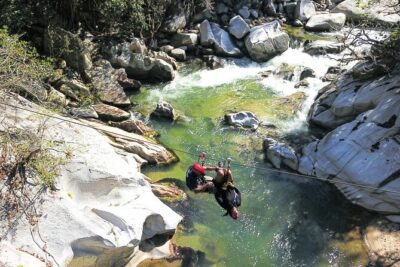
Puerto Vallarta Best Zipline Canopy + Tequila and Speed Boat Ride
Read our review →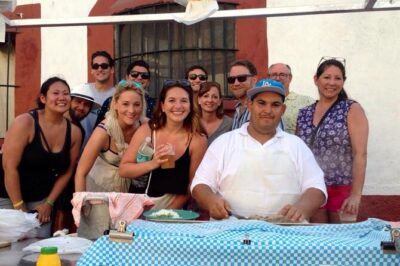
Winner 2025 Downtown Vallarta Food Tour with Vallarta Food Tours
Read our review →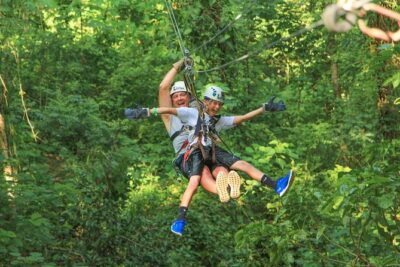
Extreme Adventure, Wildest Bridge, ATV & Ziplines
Read our review →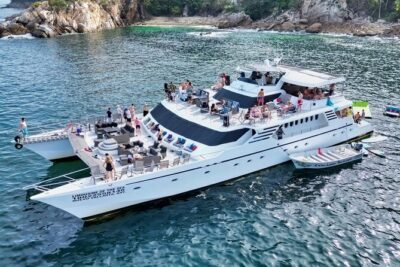
Mega Yacht ALL INCLUSIVE Yelapa Waterfall & Snorkeling Adventure
Read our review →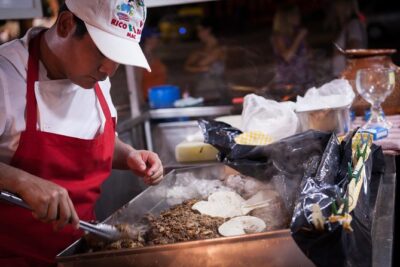
Food & Mixology Tour:Tequila,Tacos, Mezcal and Agave Cocktails
Read our review →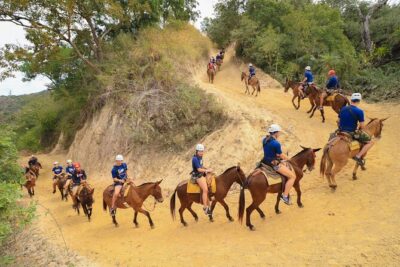
Outdoor Ziplining, Waterfalls & Speed boat in Puerto Vallarta
Read our review →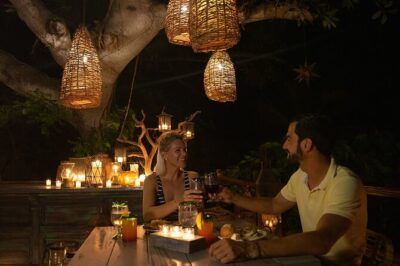
Rhythms of the night, Sunset Cruise, Candlelit Dinner & Alma Show
Read our review →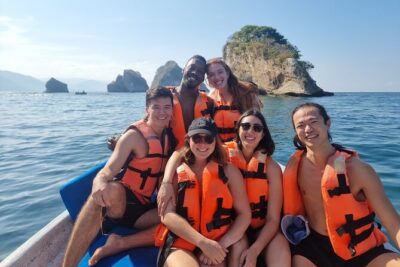
Boat and Snorkel Tour to 5 Islands of Los Arcos
Read our review →Browse the lists this tour appears in