
Reviewed · CHICHEN ITZA TOURS
Chichen Itza On-Site Guided Tour with Certified Local Expert
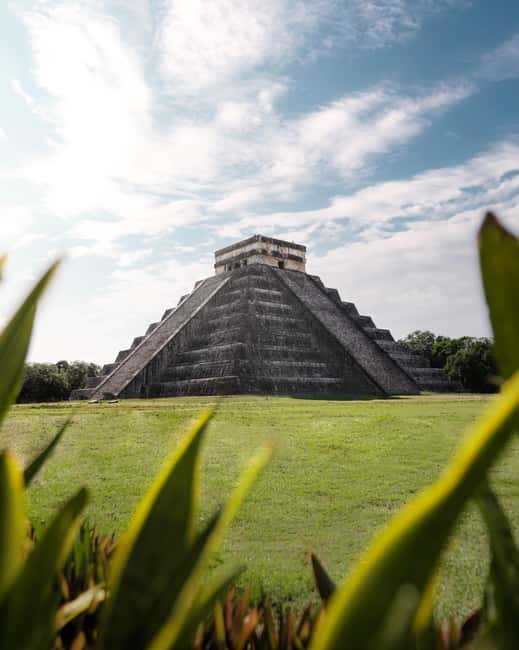
Chichén Itzá makes a stronger impression when someone explains what you are seeing. El Castillo is more than a giant pyramid: its shape, shadows, sound effects, and position reflect Maya ideas about astronomy, ritual, and power. This 90-minute walk gives you that useful context without tying you to a full-day bus excursion.
I like two things here. First, you meet a certified local guide right at the archaeological site, so you can arrive on your own and focus your time on the ruins. Second, guides such as Omar, Santos, Pedro, Rene, and Amaro have been praised for clear explanations, patient answers, and help taking family photos. The main drawback is the heat and the short length. Ninety minutes is enough for the key monuments, but not for a slow, wide-ranging look at every corner of Chichén Itzá.
Key points to know before you book
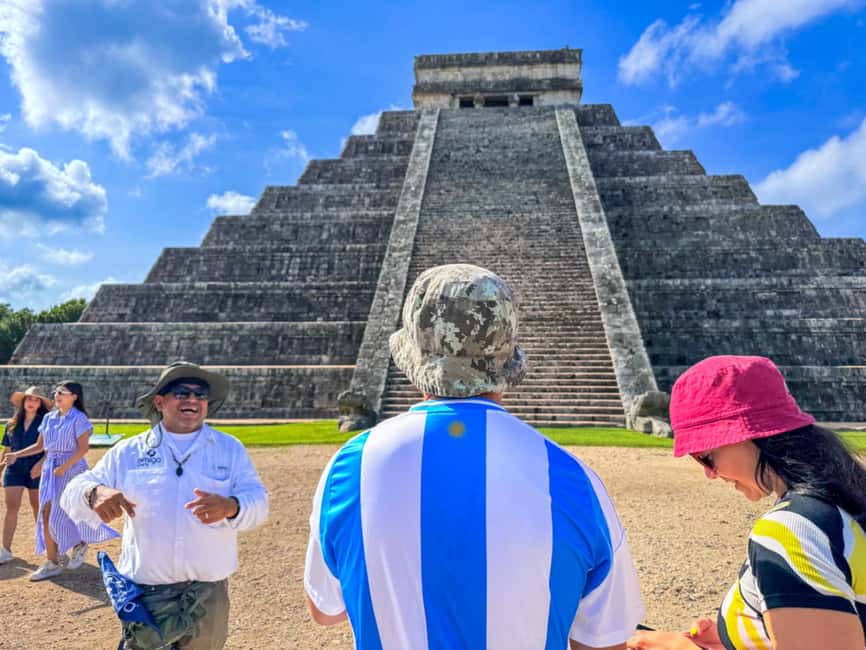
- El Castillo takes center stage: Learn how the Temple of Kukulcan connects architecture, ceremony, and the Maya calendar.
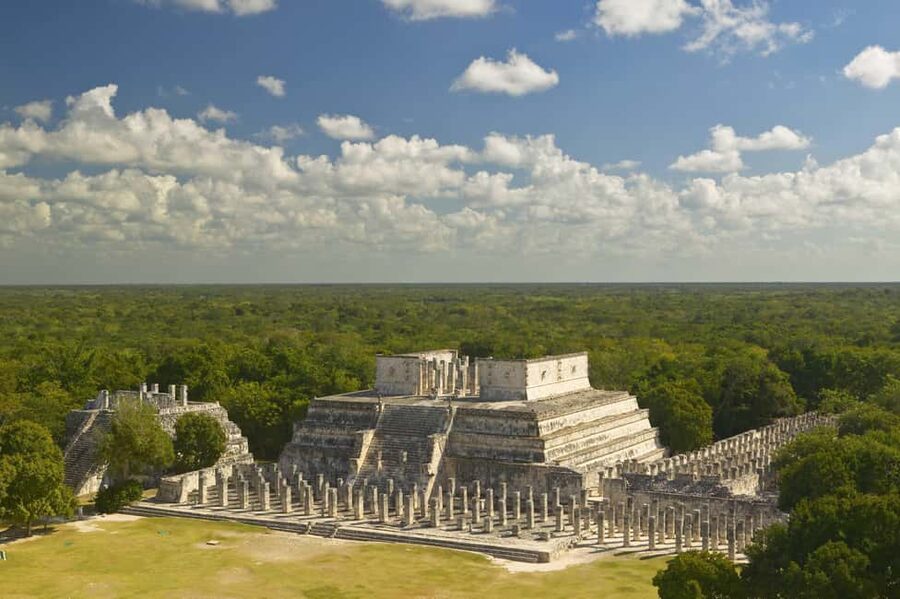
- The Great Ball Court adds human drama: Hear how the famous ball game worked and why the court’s acoustics matter.
- Choose your language carefully: Shared tours use English and Spanish at the same time, while private tours offer one language among English, Spanish, Italian, and Portuguese.
- You arrive independently: Transportation is not included, and the meeting point is the Chichén Itzá Parador Turístico.
- Phone photography is part of the service: Your guide can help frame photos and find useful angles for groups and families.
- The price depends on the ticket option: The $52 price is worth checking against the selected package, since site entry is included only with some options.
Why a guide changes the Chichén Itzá visit
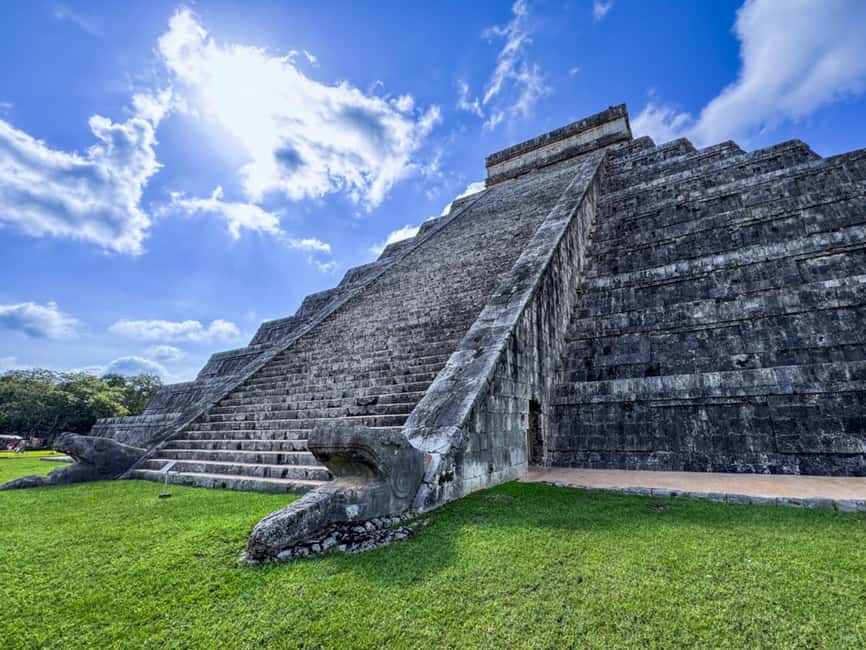
Chichén Itzá can be visually overwhelming. You enter a large archaeological area, see the famous pyramid, and then face a long list of unfamiliar names: ball court, temples, platforms, cenote, columns, and carved stone. Without help, you may remember the pictures but miss the ideas that tie the site together.
A good guide gives the ruins a human scale. Instead of seeing only weathered stone, you learn how architecture helped express religious belief, political authority, scientific skill, and daily life. The best explanations here focus on Maya rituals, astronomy, sound, sunlight, and the way buildings were planned.
The guide also gives you room to ask questions. That matters at a site where a short question about the ball game can lead to a better understanding of Maya society, or where a question about the pyramid can reveal how ancient builders linked the sun and calendar to ceremony.
I especially like the use of visual aids reported by some participants, including an iPad showing reconstructions of how parts of the city may have looked in the past. This can help you picture painted surfaces, active plazas, and a living ceremonial center rather than a silent ruin.
The experience is not designed as a large, rushed group outing. You get a walking tour with a shared or private format, depending on the option you select. A private guide is the better choice if you want to ask many questions, move at your own pace, or keep the commentary in one language.
A few other Merida days to price up
- Chichen Itza, Private Cenote/Food Experience & the magic Izamal
★ 5.0 · 385 reviews - Chichen Itza, Cenote Swim & Izamal Magic Town with Buffet Lunch
★ 4.5 · 317 reviews - From Merida: Chichen Itza Tour, Izamal, Cenote Ik Kil and Food
★ 5.0 · 246 reviews
Meeting at the Parador Turístico
The meeting point is Chichén Itzá Parador Turístico, Official Mayan guide, near the archaeological site entrance. Arrive at least 10 minutes before your booked start time. That buffer gives you time to find the guide and handle any entry arrangements without starting the tour flustered.
This is an on-site activity, not a hotel pickup tour. You must arrange your own transportation to and from Chichén Itzá, and the tour price does not automatically cover admission. Check the exact option before paying, because the entrance ticket is included only when specifically selected.
That detail affects the value. If you already have your entry sorted, the $52 cost is mainly paying for focused interpretation and personal help inside the ruins. If your chosen package includes admission, compare the total price with the cost of buying entry separately. The important point is to avoid assuming that every $52 booking includes the ticket.
The location-based setup suits people who are driving themselves, staying nearby, or arriving through another travel plan. It is less suitable if you want one package that handles transport, entry, meals, and the guide from a resort pickup.
El Castillo and the Temple of Kukulcan
The first major sight is El Castillo, also called the Temple of Kukulcan. This is the image most people carry in their heads before arriving, but the guided explanation helps you see why the structure matters beyond its scale.
Your guide can point out the pyramid’s formal design and its connection to Maya astronomy. The tour also covers the famous relationship between sunlight and the serpent imagery associated with Kukulcan. You cannot climb the pyramid, so the value comes from looking closely, listening, and understanding how the building functioned as a religious and political symbol.
This is also a good place for photography assistance. Guides have helped couples, families, and groups find angles that include the pyramid without leaving someone out of the picture. Bring your phone or camera, but keep in mind that professional cameras, tripods, and drones are not allowed.
The guide’s storytelling can make this stop work for different ages. Families with children have found the 90-minute length manageable, including children aged four and nine. Younger visitors may connect with the sounds, shadows, games, and striking shape of the pyramid more easily than with a long lecture on dates and rulers.
The limitation is exposure to the sun. El Castillo sits in an open area, and the heat can make concentration fade quickly. Wear a hat, sunglasses, comfortable clothes, and comfortable shoes. Carry water and sunscreen, and use cash for practical needs at the site.
The Great Ball Court and its remarkable sound
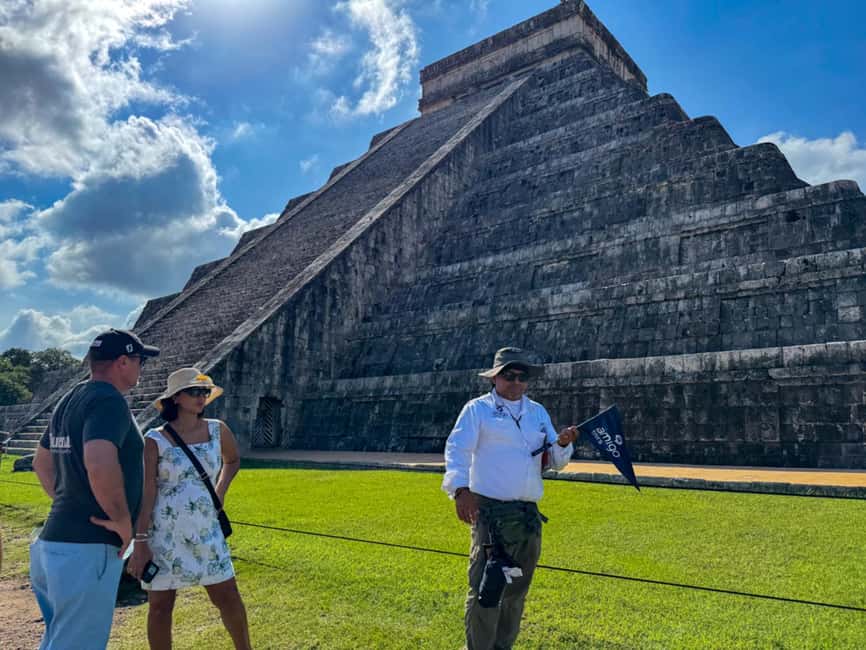
The Great Ball Court is one of the most memorable stops because it connects sport, ritual, architecture, and public life. The guide explains the ancient Maya ball game and the role the court may have played in ceremony and social order.
The game was not simply a casual match. The rules, equipment, symbolism, and stakes reflected a society where sport could carry religious meaning. You should ask your guide to explain the goals, the ball, and the players’ movements, since these details are hard to understand from the walls alone.
The court’s acoustics are another highlight. Sound behaves in surprising ways across the stone surfaces, and a guide can demonstrate or explain why voices carry so well. This is one of those moments when the building feels engineered for more than appearance.
I find this stop especially useful for people who think archaeology may be too dry. The ball game gives the site motion and conflict. It helps you picture players, spectators, ceremony, and a city filled with activity instead of imagining only empty plazas.
The court is also a place where a private tour can pay off. You can ask follow-up questions without worrying about slowing down a large group. On the shared bilingual option, commentary is delivered in English and Spanish simultaneously, so you should expect the explanations to take a little longer than a single-language talk.
Same stretch of coast, a very different day:
- Merida Walking Food Tour. Authentic & Local Cuisine
★ 5.0 · 451 reviews - Merida Street Food Walking Tour
★ 5.0 · 417 reviews - Taste of the Yucatan: Merida Cooking Class and Market Visit
★ 5.0 · 291 reviews - Mérida: 3-Hour Walking Food Tour
★ 4.9 · 287 reviews
The Sacred Cenote and Maya ritual
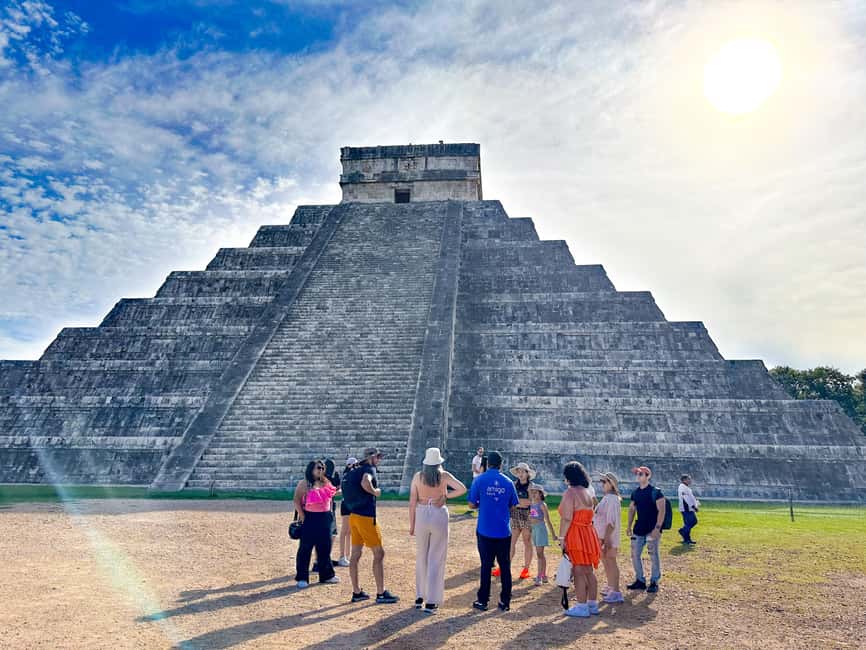
The Sacred Cenote adds a different mood to the tour. Unlike the broad open plaza around El Castillo, this place connects the site to water, offerings, and religious practice.
Your guide explains how natural features shaped Maya beliefs and rituals. The cenote was not simply a scenic water source. It held ceremonial importance, and learning about that role helps connect Chichén Itzá to the natural world around it.
The tour does not ask you to treat the site as a backdrop for pictures. Touching exhibits and plants is prohibited, and food, alcohol, drugs, and smoking are not allowed. Those rules protect the area and keep the visit respectful.
The cenote stop may not receive as much time as the pyramid or ball court during a 90-minute route. Still, it is valuable because it broadens the story. You see that Maya planning involved more than buildings and plazas. Water, sunlight, sound, and the surrounding environment all shaped how people understood the city.
A short route with plenty to absorb
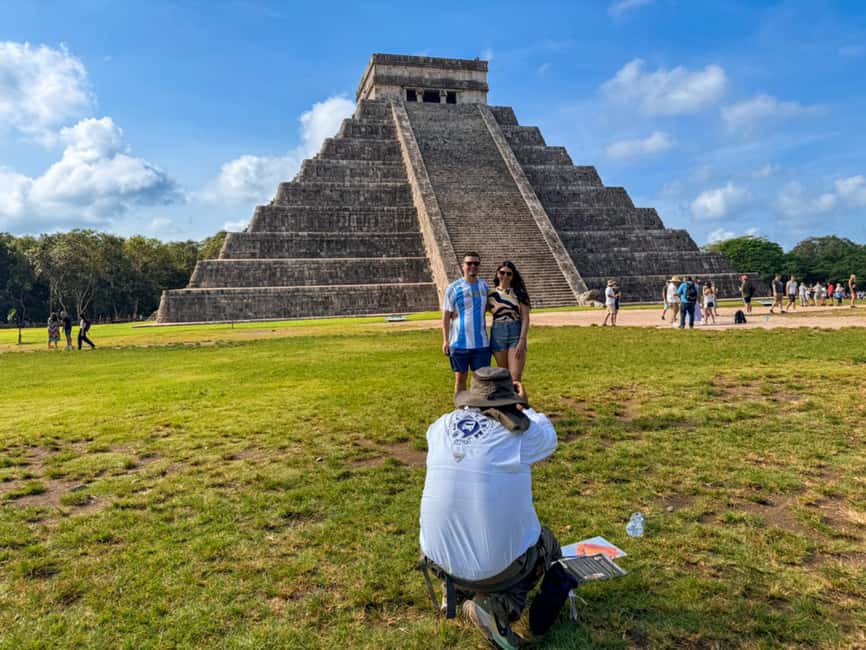
The full walk lasts about 1.5 hours. The route includes Chichén Itzá’s main sights, El Castillo, the Temple of Kukulcan, the Great Ball Court, the Sacred Cenote, photo stops, guided commentary, and some free time.
That timing is a strength for families, first-time visitors, and anyone adding Chichén Itzá to a larger day. You get a clear introduction without committing to a long specialist program. One family found the length just right for young boys, while another visitor appreciated having enough time to ask questions during a private tour.
It is also a limitation for archaeology fans. Chichén Itzá contains more than the headline sights, and 90 minutes cannot cover every structure in detail. If you want extended time for independent wandering, plan to stay beyond the guided portion, if your admission and site rules allow it. The supplied details confirm free time within the experience, but they do not specify how much.
The tour is best understood as a focused orientation. It shows you what deserves your attention and gives you the facts and stories needed to continue looking on your own.
Shared bilingual or private monolingual?
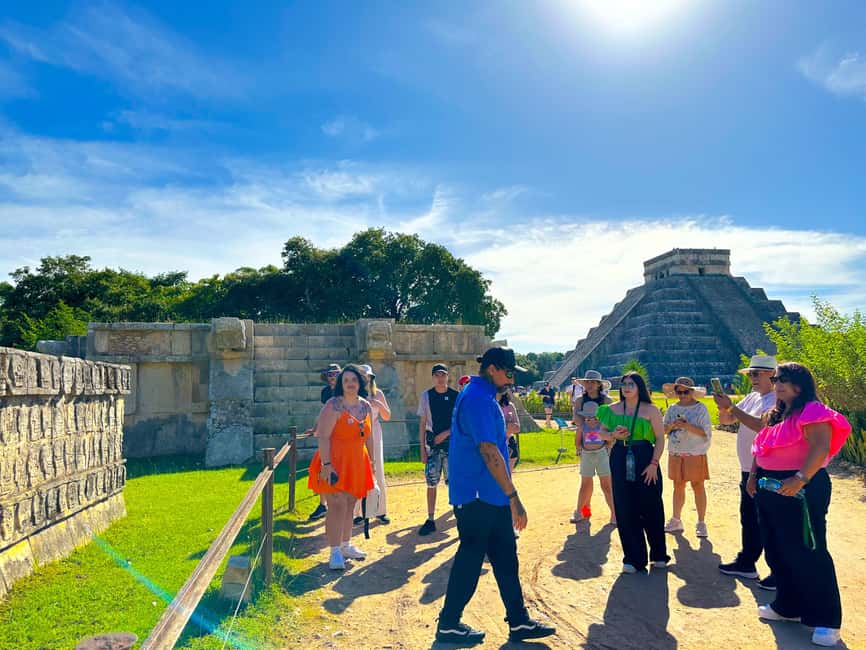
The shared tour offers live commentary in English and Spanish at the same time. This is a practical choice for budget-minded couples, families, and mixed-language groups. You still get a certified guide, but the pace may include pauses as information is presented in both languages.
The private option is available in English, Spanish, Italian, or Portuguese. A minimum of two people is required. For couples or small groups, this format gives you more control over questions and makes it easier to ask for extra detail about astronomy, architecture, or the Maya ball game.
Language is not just a comfort issue here. Chichén Itzá involves unfamiliar names and ideas, so clear speech matters. Several guides, including Santos, Javier, Rene, Omar, and Amaro, have been praised for easy-to-follow explanations and an engaging manner. Since guide assignments can vary, you should select the language and tour type that best fit your group rather than book based on one individual guide.
If you have children, older relatives, or someone who tires quickly in the heat, private touring may make the walk easier to manage. It will not change the weather or the amount of walking, but it can make the pace and questions more flexible.
What the $52 price gets you
At $52 per person, the main purchase is interpretation. You are paying for a certified local guide who can explain the site, answer questions, and help you make sense of details that signs alone may not cover.
I consider that fair value for people who care about the story behind the monuments. The guide can point out connections between astronomy and architecture, explain rituals at the Sacred Cenote, describe the ball game, and help you see why sound and sunlight were important design elements.
The value is lower if you prefer to read independently, take your time without a set route, or already have strong knowledge of Maya archaeology. In that case, a guide may feel like a constraint, especially since the tour is only 90 minutes and follows a planned route.
Check the ticket wording before booking. Entry to Chichén Itzá is included only if you select the option that includes it. Transportation is not included at all. Those two details can change the final cost and should be part of your comparison.
Free cancellation up to 24 hours before the start time and the reserve-now, pay-later option add useful flexibility. They are helpful in the Yucatán, where heat, traffic, and changing day plans can affect how you organize a visit.
Heat, walking, and what to pack
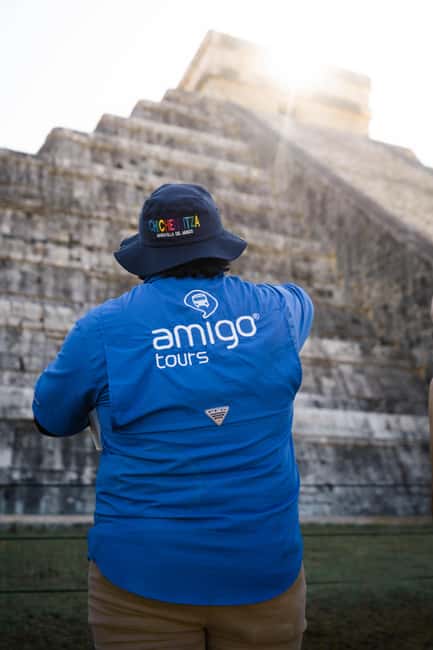
The biggest practical challenge is the sun. Bring water, sunscreen, a hat, sunglasses, and light, comfortable clothing. Comfortable shoes matter because this is a walking tour over an archaeological site, not a short photo stop beside the main pyramid.
Carry a camera or phone for pictures, but leave professional camera equipment, tripods, and drones at home. Your guide can take photos with your phone, which is useful for couples and groups who want a picture together.
Large bags and luggage are not allowed. Food is also prohibited, along with smoking, alcohol, and drugs. Do not touch the exhibits or plants. Bring cash, as it is included on the suggested packing list and may be useful for on-site needs.
The activity is not suitable for wheelchair users. If mobility is a concern, consider that the route involves walking through an archaeological area and that the supplied information does not describe an adapted route.
Who should book this Chichén Itzá tour?
I would choose this tour if you are arriving at Chichén Itzá on your own and want more than a quick look at El Castillo. It is a strong fit for first-time visitors, families, couples, and people who want a local voice to explain Maya culture in plain terms.
It also suits multilingual groups. The shared English-Spanish format keeps the cost in check, while a private English, Spanish, Italian, or Portuguese tour gives you more focused attention.
Archaeology specialists may want more time than this experience offers. Independent visitors who dislike fixed routes should also think twice. The tour gives you a useful framework, but it is not a full-day study of the entire site.
Should you book it?
Book it if you value clear storytelling, local expertise, and a well-focused route through Chichén Itzá. The strongest parts are the explanations of El Castillo, the ball court’s game and acoustics, Maya astronomy, and the way guides help with photos and questions.
Choose the private option for a couple or small group that wants one language and plenty of conversation. Choose shared bilingual touring if you want the lower-cost guided experience and do not mind hearing English and Spanish together.
Before you confirm, check three things: the exact ticket option, your transport to the site, and the forecast for heat. Bring water, arrive 10 minutes early, and wear proper sun protection. For most first-time visitors, the $52 cost is justified by the added meaning a guide brings to these extraordinary ruins.
FAQ
How long is the Chichén Itzá guided tour?
The walking tour lasts 90 minutes, or about 1.5 hours. It includes guided sightseeing, photo stops, visits to the main monuments, and some free time.
Where do I meet the guide?
Meet at Chichén Itzá Parador Turístico, Official Mayan guide. You should arrive at least 10 minutes before your booked time.
Is transportation to Chichén Itzá included?
No. Transportation to and from the archaeological site is not included, so you must arrange your own way to the meeting point.
Is the Chichén Itzá entrance ticket included?
Only some booking options include the entrance ticket. Check the selected option carefully before booking.
What languages are available?
Private tours are available in English, Spanish, Italian, or Portuguese. The shared option provides English and Spanish commentary at the same time.
Can I book a private tour?
Yes. Private groups are available, and private tour options require at least two people.
Can the guide take my photo?
Yes. Photography assistance is included, and the guide can take photos with your phone. Professional cameras, tripods, and drones are not allowed.
What should I bring?
Bring identification, comfortable shoes, sunglasses, a hat, a camera or phone, sunscreen, water, comfortable clothing, and cash. Large bags, luggage, food, smoking, alcohol, and drugs are not allowed.
New on the Merida list
- Uxmal and Kabah Ruins Tour with Chocolate History★ 4.5 · 54 reviews
- From Mérida: Ria Celestun Biosphere Reserve Tour★ 4.3 · 56 reviews
- Private Tour Cenotes of Mucuyche & Santa Barbara in one day★ 5.0 · 56 reviews
- Mérida: Uxmal, Cenote and Chocolate Museum Choco-Story★ 4.8 · 57 reviews
- Chichen Itza Elite Private Tour from Merida★ 5.0 · 58 reviews
- Chichen Magic Towns and cenote with Zipline★ 4.5 · 59 reviews
- 3 Hour Tour in The Sotuta de Peón Live Museum★ 4.5 · 62 reviews
- Merida: Hacienda Sotuta de Peon w/ Cenote & Henequen Tour★ 4.8 · 62 reviews
Chichen Itza Tours, compared.
Chichen Itza, Cenote & Valladolid Tour with Tequila and Lunch
Read our review →
Chichen Itza, Cenote & Valladolid Tour with Lunch
Read our review →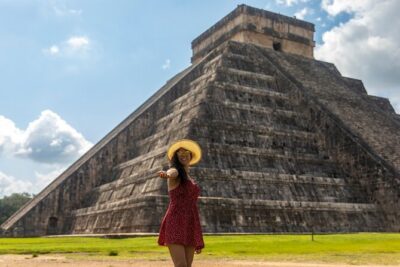
Early morning Chichen Itza Tour: Cenote and Tequila Tasting
Read our review →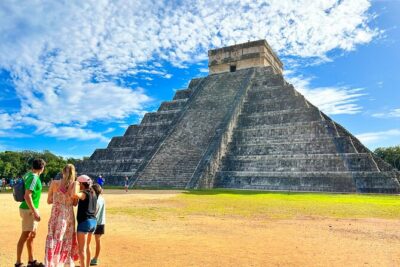
Chichen Itza Early Access All Inclusive: Hotel Pick up & All Fees
Read our review →
Chichen Itza Gastronomic, Valladolid and Cenote Extremo
Read our review →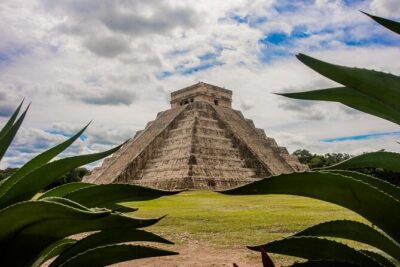
Chichen Itza, Cenote and Valladolid Small Group Day Trip
Read our review →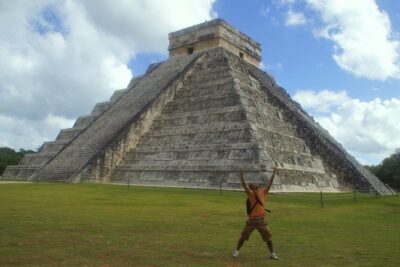
Browse the lists this tour appears in