
Reviewed · COZUMEL TOURS
Discover Scuba Diving in Cozumel Paradise Reef
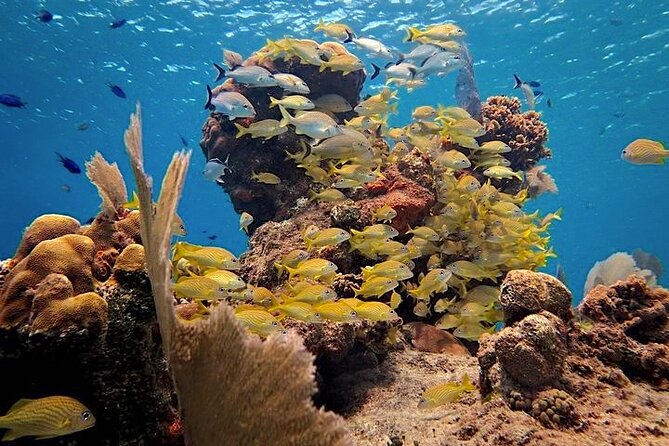
Paradise Reef gives first-time scuba guests a real underwater outing, not just a quick dip beside the boat. You practice key skills in calm, shallow water first, then spend up to 45 minutes on one session and up to an hour on the second among coral, sea fans, turtles, rays, and colorful fish.
I like the patient one-on-one attention and the well-planned lesson, especially for nervous beginners. I also like that the full package includes gear, two boat sessions, fruit, cookies, water, and Gatorade. The main catch is time: the advertised 3.5 hours can become four to five hours, which matters greatly if you are visiting from a cruise ship.
Key points to know
- Two underwater sessions at Paradise Reef: You get much more practice than with a short introductory swim.
- Calm-water training first: PADI instructors review the video lesson and rehearse the required skills before heading to the reef.
- Strong personal support: Guides including Jorge, Gabo, Diego, Aldo, Javier, and Noodle have helped nervous beginners feel calm and secure.
- Good marine-life potential: Turtles, nurse sharks, eagle rays, stingrays, seahorses, lobsters, barracudas, parrotfish, and coral have all been seen.
- Convenient cruise-port location: Marina Fonatur is a short taxi ride from the International Cruise Terminal and Puerta Maya, and about 15 minutes from Punta Langosta.
- Plan extra time: Scuba Life does not collect guests at cruise terminals, and the complete outing may run longer than the stated 3 hours 30 minutes.
A gentle first step into scuba at Paradise Reef
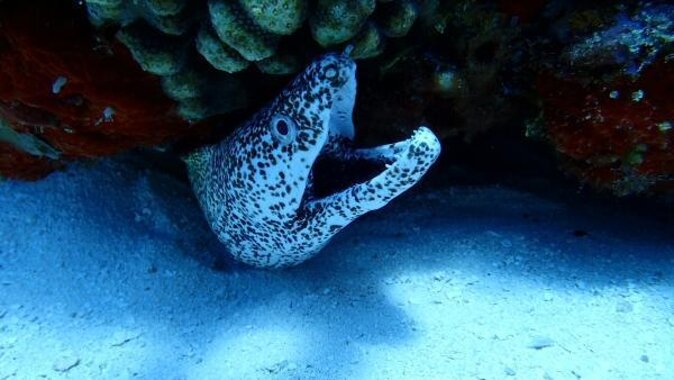
If you have always wondered what breathing underwater feels like, this Cozumel experience offers a sensible introduction. You are not expected to arrive certified, and you are not simply handed equipment and sent over the side. The process begins with instruction, continues with practice in shallow water, and ends with two supervised sessions at Paradise Reef inside the National Park of Cozumel Reefs.
That order matters. Scuba equipment can feel strange at first, especially when you are floating in open water with a mask, regulator, tank, and buoyancy control device. A calm rehearsal lets you learn the basic skills before coral, fish, and current compete for your attention.
The strongest part of the experience is the staff. Instructors named in the booking information and guest accounts include Jorge, Gabo, Diego, Aldo, Javier, Noodle, Kily, and David. Their most useful quality is not flashy commentary. It is patience. Gabo has worked one-on-one with anxious beginners, while other instructors have adjusted equipment and weights after guests entered the water.
That personal care makes this a good option for couples or families with different comfort levels. One person may be ready immediately, while another needs a hand to hold or a little more time with the mask and regulator. The crew has shown flexibility in those situations, including adapting the plan when one person chose to snorkel instead of taking the second session.
More Scuba Diving in Cozumel
- Cozumel Scuba Dive at Chankanaab
★ 5.0 · 153 reviews - Cozumel: One Tank Scuba Dive and Full Chankanaab Park Access
★ 4.9 · 149 reviews - 2 Tank Morning Dive: Scuba Diving in Cozumel
★ 5.0 · 148 reviews
Before the boat: video lesson and gear fitting
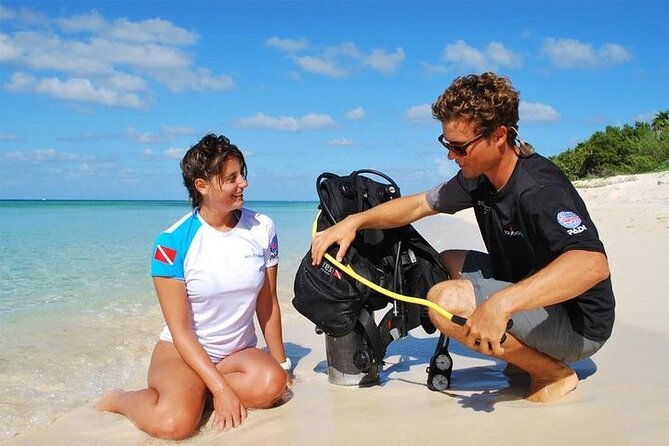
After booking, you receive a link to a PADI video. It introduces the concepts and skills used during the experience, so you should watch it before arriving. This is not a full certification course, but the advance lesson gives you a useful head start and keeps the in-person briefing focused.
At the Scuba Life Cozumel shop, a PADI instructor reviews what you learned. This is your chance to ask questions and make sure the instructions are clear. The staff also confirms sizes for your rental equipment, including the items needed for your time in the water.
The package includes full scuba gear rental. The equipment mentioned in the experience includes fins, goggles, wetsuits, tanks, buoyancy gear, and weights. The fitting process is more important than it may sound. A loose mask, poorly fitting wetsuit, or incorrect weight setup can turn a pleasant first attempt into a frustrating one.
Expect the crew to make adjustments as needed. One useful feature of the operation is that the equipment setup does not end at the shop. Weights and other gear can be adjusted after you are in the water, which is especially helpful for a beginner still learning how the equipment feels.
Calm-water practice before Paradise Reef
The boat heads toward Paradise Reef, but you first stop at a shallow beach. Here, your instructor takes you through the skills introduced in the video. The setting is calmer and less demanding than the reef, giving you room to concentrate on breathing, movement, and handling the equipment.
For a first scuba experience, this is the part I would take seriously rather than rushing through it. If you feel uneasy, tell your instructor. The staff has worked with people who were frightened of open water, older beginners, families with varying abilities, and guests who needed direct encouragement. The goal is to get you comfortable enough to manage the basic skills before proceeding.
This practice also helps the instructor understand your needs. You may find that a small change in mask fit, weights, or position makes a major difference. Once the required skills are complete, you move on to the first underwater session at Paradise Shallows, a section of Paradise Reef suited to beginners.
First reef session: 30 to 45 minutes
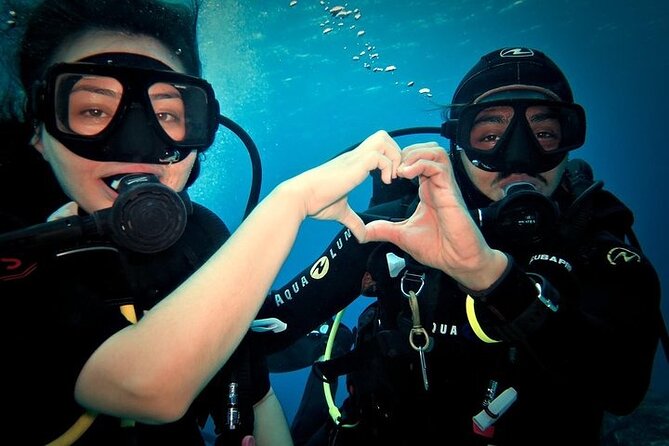
The first session lasts about 30 to 45 minutes. That is a generous amount of time for an introduction, but the exact length depends on your comfort, air supply, and conditions. You will be under the close supervision of your instructor as you begin exploring the reef.
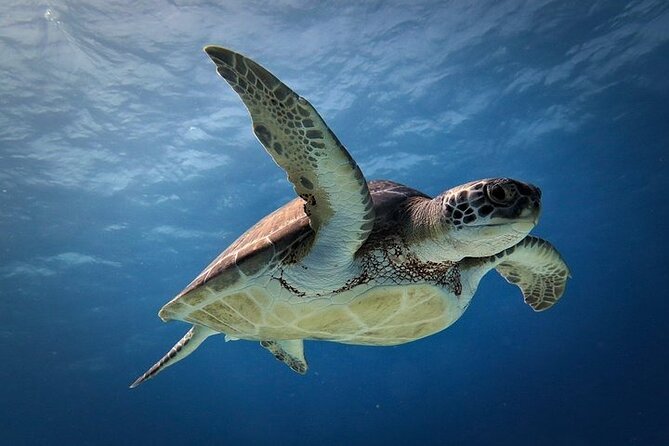
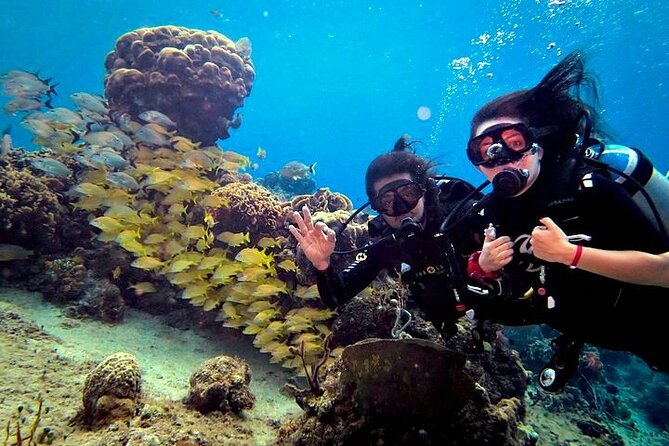
Paradise Reef is known for coral formations, sea fans, and many fish. The Cozumel setting can offer clear water and excellent marine life, though nature never guarantees a particular sighting. The accounts associated with this experience include turtles, stingrays, nurse sharks, eagle rays, seahorses, lobsters, starfish, conch, barracudas, parrotfish, angelfish, grouper, and many smaller reef fish.
The first session is less about covering a lot of ground than learning how to be underwater. You will be getting used to steady breathing, buoyancy, hand signals, and staying near your instructor. A good guide such as Jorge, Diego, Gabo, or Aldo can point out marine life while keeping an eye on your comfort and position.
Do not expect the first session to feel exactly like a certified scuba outing. Your attention will be divided between the reef and the equipment. That is normal. The value is that you get enough time to settle in, rather than being hurried through a brief demonstration.
More dive trips around Cozumel:
- Discover Scuba Diving
★ 5.0 · 139 reviews - Chankanaab Cozumel Scuba Diving
★ 5.0 · 96 reviews - Scuba Diving in Cozumel Island
★ 5.0 · 70 reviews - PADI Discover Scuba Diving Tour in Cozumel
★ 4.5 · 67 reviews
The surface interval: fruit, cookies, and a breather
Between the two reef sessions, you spend about 30 minutes on the boat. Fresh fruit, cookies, water, and Gatorade are provided. Towels and jackets have also been available on the boat, according to the experience details.
This break has a practical purpose. You can drink, eat a little, talk through what you just experienced, and prepare for the next session. If you felt nervous at the start, the interval gives you time to decide how you want to proceed.
The break is also useful for mixed groups. One person may want to continue while another may prefer to remain on the boat or snorkel. The crew has adjusted plans for those situations, but you should communicate clearly if you are tired or uncomfortable.
Second reef session: up to an hour underwater
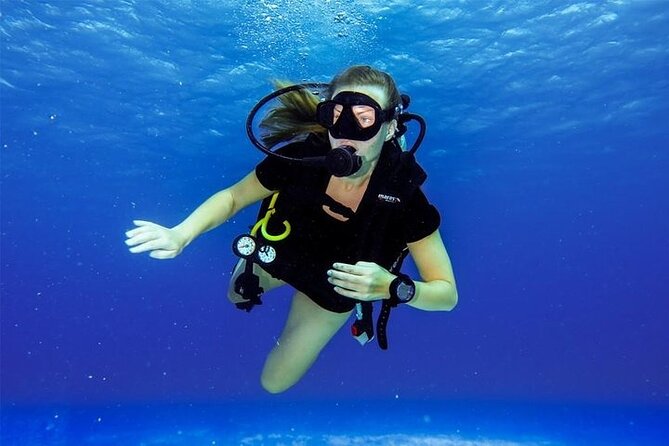
The second session also takes place at Paradise Reef and lasts about 45 to 60 minutes. For many people, this is the stronger part of the experience. By now, you have used the equipment, practiced the core skills, and learned how to communicate with your instructor.
That extra time can make the reef feel less like a lesson and more like an exploration. You may have a better chance to notice small creatures, watch fish behavior, and appreciate the coral formations and sea fans. Sightings reported during these outings include large eagle rays, turtles, nurse sharks, stingrays, seahorses, octopuses, lobsters, and barracudas.
Still, treat those animals as possibilities, not promises. Visibility, weather, season, and normal wildlife movement all affect what you see. The dependable part is the reef setting and the guided format. The exceptional moment might be an eagle ray, or it might be a quiet view of fish moving through coral.
The crew’s safety focus is a major benefit here. Instructors have stayed close to beginners and helped guests manage different confidence levels. If you are anxious, you do not need to pretend otherwise. A clear signal to your instructor is more useful than trying to push through discomfort.
Why the instructors matter so much
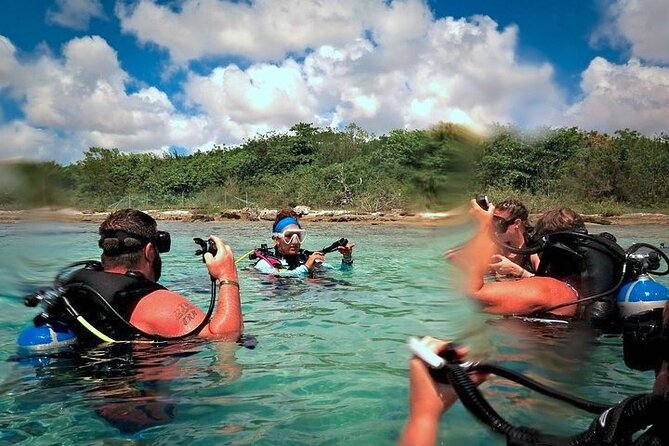
The most praised part of this experience is the human support. Instructors have been described as patient, calming, professional, encouraging, and attentive. Those qualities matter more than a clever briefing when you are trying scuba for the first time.
Jorge has guided beginners and returning certified guests who had not been underwater for 15 years. Gabo has helped guests with anxiety and has provided direct hand support during the underwater portion. Diego has encouraged a hesitant participant without applying pressure. Aldo has been praised for making the equipment and instructions easy to understand.
The crew can also work with a group that includes both beginners and certified scuba users. That is useful for families, since experienced members do not necessarily need to sit out while first-timers receive instruction.
You should still remember that this is a group experience with a maximum of 10 participants. The small maximum is helpful, but personal attention may vary with the final group and staff assignment. If you have a specific medical, mobility, or confidence concern, bring it up before entering the water.
Timing is the main issue for cruise ship passengers
Marina Fonatur is a practical starting point. It is a couple of minutes by taxi from the International Cruise Terminal and Puerta Maya Terminal, and about 15 minutes from Punta Langosta Pier. Scuba Life does not pick up at the terminals, so you must arrange your own taxi to Carr. Costera Sur km 6.
The stated duration is about 3 hours 30 minutes, but you should protect four to five hours for the full outing. That longer estimate allows for check-in, fitting, the lesson review, boat travel, shallow-water practice, two reef sessions, and the surface interval.
This is not a minor detail if your ship is waiting. One group arrived expecting the shorter duration and had to cut the experience short to return in time. The staff tried to accommodate the situation, but only part of the planned outing was possible.
My advice is simple: confirm the schedule directly before booking if you are on a cruise. Include taxi time in both directions and leave a generous buffer before all-aboard time. The convenient marina location helps, but it does not remove the need for careful planning.
Who will get the most from this experience
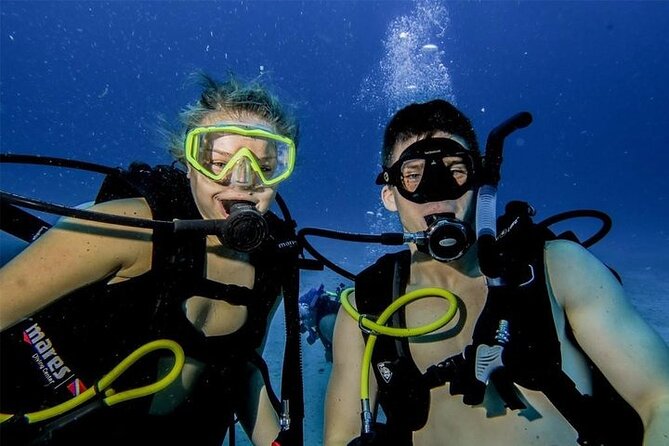
This is aimed at adults and older children who want to try scuba without committing to a certification course. You need a moderate level of physical fitness, and you must be willing to manage basic equipment and take part in the shallow-water practice.
It suits:
- Couples where one or both people are new to scuba.
- Families with teenagers or adult children.
- Certified scuba users returning after a long break.
- Nervous beginners who want close guidance.
- Cruise passengers who can allow four to five hours.
- Snorkelers ready to try a more involved underwater activity.
It may not suit you if your schedule allows only a narrow window, if you do not want to wear full equipment, or if you are looking for a formal certification course. This is an introduction, not a replacement for certification training.
The maximum group size of 10 is a reasonable middle ground. It is not a private charter, but it is small enough for instructors to keep track of participants and respond when someone needs help.
What the included package is worth
No price is provided here, so I cannot judge the exact cost against other operators. I can judge what you receive: an introductory PADI lesson, full gear rental, shallow-water skills practice, two boat sessions, reef access, and refreshments during the break.
That is a substantial package for a first attempt. Some introductory outings offer one short underwater session and little time to settle in. Here, the second session is important because it lets you apply what you learned after the initial nerves have eased.
The value also lies in reducing the work you must do yourself. The crew fits your equipment, sets up tanks and buoyancy gear, adjusts weights, leads the boat outing, and watches your safety. For a first-time participant, that support can be worth more than a small price difference between operators.
You should compare the total cost with the full duration, included equipment, group maximum, and cruise-port transport requirements. A lower advertised rate may not mean better value if it includes less time underwater or requires extra equipment fees.
Weather, cancellations, and practical planning
The experience depends on good weather. If poor conditions force cancellation, you are offered another date or a full refund. The same applies if the minimum number of participants is not met.
You can cancel for a full refund up to 24 hours before the local start time. Changes made within 24 hours are not accepted, and late cancellations are not refunded. Keep those rules in mind when arranging a cruise-day schedule.
Bring a calm attitude and arrive ready to listen. Watch the PADI video before the appointment, allow extra time for the complete program, and do not skip the shallow-water practice simply because you are eager to reach the reef.
Should you book the Paradise Reef experience?
I would choose this for a first scuba outing in Cozumel if you can spare four to five hours and arrange your own taxi to Marina Fonatur. The best reasons are the two reef sessions, the calm-water training, the full equipment package, and instructors who have shown unusual patience with nervous beginners.
I would hesitate only if you are on a tight cruise schedule. The timing difference can cost you part of the experience or create a stressful race back to the ship.
For everyone else, this is a strong introduction to Cozumel’s underwater world. You get enough time to move past the initial awkwardness and see what scuba is really like. If you leave wanting a certification course, that is probably the clearest sign that the experience did its job.
FAQ
Is this experience suitable for a first-time scuba participant?
Yes. It is designed for people who want to try scuba without enrolling in a certification course. You receive an introductory lesson, review the skills with a PADI instructor, practice in shallow water, and then take part in two supervised reef sessions.
How long does the Cozumel scuba experience last?
The listed duration is about 3 hours 30 minutes. You should allow four to five hours, since the full outing includes gear fitting, instruction, shallow-water practice, boat travel, two reef sessions, and the break between them.
Where does the experience begin and end?
It begins and ends at Scuba Life Cozumel at Marina Fonatur, Carr. Costera Sur km 6, Zona Hotelera Sur, Cozumel. The activity returns to this same meeting point.
Is transportation provided from the cruise terminals?
No. Scuba Life does not pick up at the terminals. Marina Fonatur is a few minutes by taxi from the International Cruise Terminal and Puerta Maya Terminal, and about 15 minutes by taxi from Punta Langosta Pier.
What is included?
The package includes an introductory lesson, full scuba gear rental, and two boat sessions at Paradise Reef. Fruit, cookies, water, and Gatorade are offered during the break between sessions.
How long are the underwater sessions?
The first session lasts about 30 to 45 minutes. The second lasts about 45 to 60 minutes. Actual time can vary with conditions, air supply, and your comfort level.
What happens if the weather is poor?
If the experience is canceled because of poor weather, you are offered a different date or a full refund. If the minimum number of participants is not reached, you are also offered another date or experience, or a full refund.
New on the Cozumel list
- El Cielo Cozumel Snorkel tour by Catamaran★ 4.0 · 52 reviews
- Official Chankanaab Beach Park Day pass with Snorkel★ 4.0 · 53 reviews
- Chankanaab Park Admission + Snorkeling★ 4.5 · 53 reviews
- SkyReef All inclusive Beach pass package★ 4.5 · 54 reviews
- ATV to Jade Cavern, Mud Trails, Snorkel and Lunch with Open Bar★ 5.0 · 54 reviews
- Flavorful Taco Adventure Workshop★ 5.0 · 55 reviews
- Best Jet Ski Cozumel + Locker★ 4.5 · 56 reviews
- Cozumel Jeep and Snorkel Adventure with Lunch at Punta Sur Park★ 4.5 · 56 reviews
Cozumel Tours, compared.
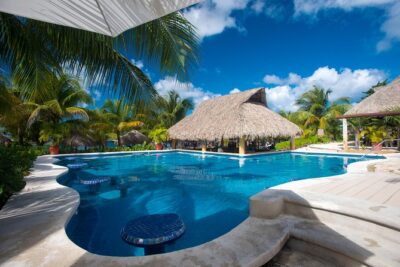
Mr. Sanchos Beach Club All-Inclusive Day Pass
Read our review →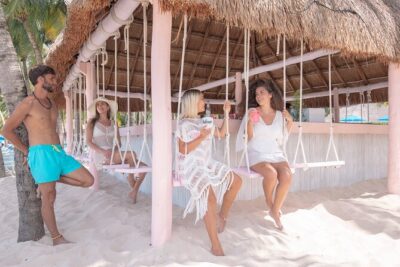
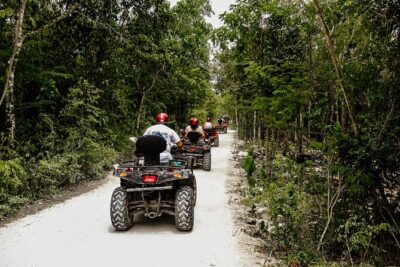
ATV 4×4+Snorkeling+Beach Club+ Lunch+Sabores de Cozumel
Read our review →
Cozumel Snorkeling Tour: Palancar, Columbia and El Cielo Reefs
Read our review →
Submarine Atlantis Cozumel Adventure by Day & Sunset
Read our review →
Private Jeep Excursion in Cozumel with Lunch and Snorkeling
Read our review →Browse the lists this tour appears in