
Reviewed · OAXACA CITY TOURS
Food & Markets Tour
Oaxaca’s food culture makes more sense once you have tasted it market by market. This afternoon walk takes you from the cathedral to Mercado Benito Juarez and Mercado 20 de Noviembre, where tejate, grasshoppers, mole, grilled meats, tamales, and tlayudas turn a first visit into a proper introduction.
I like the small maximum of six people, which gives your guide room to answer questions and adjust tastings for your group. I also like the practical payoff: after learning what things are and how to order them, you can return to the markets with much more confidence.
The main drawback is the walk from the cathedral to the markets, reported as roughly 15 to 20 minutes. On a hot afternoon, that can feel long, and the meeting point may seem less convenient than starting at the markets themselves.
Key points at a glance
- Two major markets in one afternoon: Mercado Benito Juarez and Mercado 20 de Noviembre each offer a different look at Oaxaca’s food trade.
- A full tasting menu: Expect tejate, aguas frescas, grasshoppers, sweets, tamales, empanadas, roasted meats, and tlayudas.
- Guides who make the food approachable: Alicia, Elizabeth, and Coyote are among the guides associated with this experience.
- A useful first-day activity: You learn what local dishes are called, how they are served, and what to seek out later on your own.
- A proper meal, not just bites: The second market includes a substantial grilled-meat stop, so plan your evening appetite accordingly.
- Small-group English tour: The group is limited to six, and the tour lasts about two and a half hours.
Start at Oaxaca Cathedral at 1:30 pm
You meet outside Catedral Metropolitana de Oaxaca Nuestra Señora de la Asunción, at Avenida de la Independencia 700 in the Centro. The start time is 1:30 pm, placing the food walk squarely in the afternoon meal period.
That timing works well for anyone who wants breakfast at the hotel and a light snack before setting out. It also means you should avoid booking a large lunch beforehand. This is not a quick sample of one pastry and a drink. By the end, you may have eaten enough for the rest of the day.
The cathedral meeting point is easy to place in central Oaxaca and sits near public transportation. Still, the food itself is not right outside the meeting point. You walk toward the markets, with the distance taking about 15 to 20 minutes according to the practical details shared about the experience.
I would wear comfortable shoes and carry water. Oaxaca’s streets are rewarding to walk, but the afternoon sun can make this opening stretch feel less pleasant than the market time itself. If you prefer the most efficient route, keep in mind that the tour does not offer a market-side meeting option.
A few other Oaxaca City days to price up
- AUTHENTIC OAXACA CULTURAL FOOD TOUR, eat like a local.
★ 5.0 · 462 reviews - Monte Alban – Full Day Guided Tour with or without Food – Oaxaca
★ 5.0 · 183 reviews - Oaxaca: Food and Markets Tour
★ 4.9 · 170 reviews
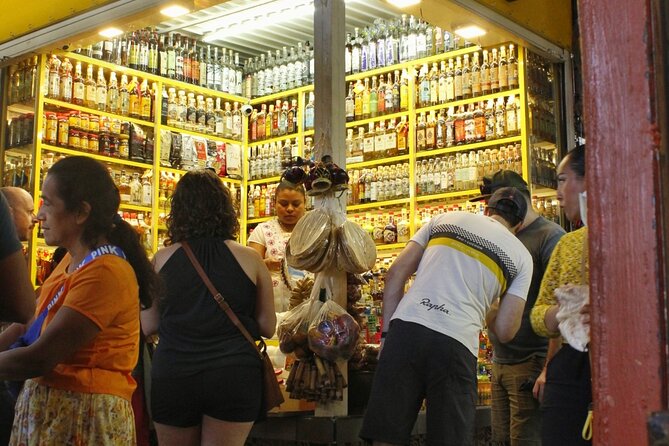
Mercado Benito Juarez: tejate, aguas frescas, and unusual snacks
The first market stop lasts about an hour and focuses on drinks, small tastes, and sweets. You begin with traditional aguas frescas, the fruit or grain-based drinks that are a daily part of Mexican food culture.
The star drink here is tejate, a famous Oaxacan beverage made from ingredients associated with maize and cacao. It is cool, earthy, and quite different from a typical fruit drink. Your guide can help you understand how it fits into local food traditions rather than treating it as just another sweet refreshment.
You may also taste other local drinks and products that have appeared during the tour, including pink horchata. The color alone makes it memorable, but the value lies in learning how Oaxaca’s drinks differ from one another and which ones you might want to order later.
The tasting continues with grasshoppers, known locally as chapulines. For many visitors, this is the moment when the tour becomes more than a standard food walk. You can try them in a guided setting, ask questions, and decide what you actually think instead of passing them by because the name sounds unfamiliar.
Some tours also include a taste of worms, mezcal, Oaxacan cheese, moles, chiles, and local bread or pastries. The exact selection can vary, but the pattern is clear: you get an introduction to the ingredients that shape food across Oaxaca, from toasted insects and cacao drinks to smoky spirits and complex sauces.
The market is also a useful place to see how food is presented and sold. Your guide can point out products you might not recognize and explain what they are used for. That help matters in Oaxaca, where a single market stall can offer several kinds of mole, sausages, chiles, cheese, sweets, and prepared food with little English labeling.
I especially like this stop for first-time visitors who feel unsure about ordering. You are not just eating. You are building a short list of names and flavors you can use for the rest of your stay.
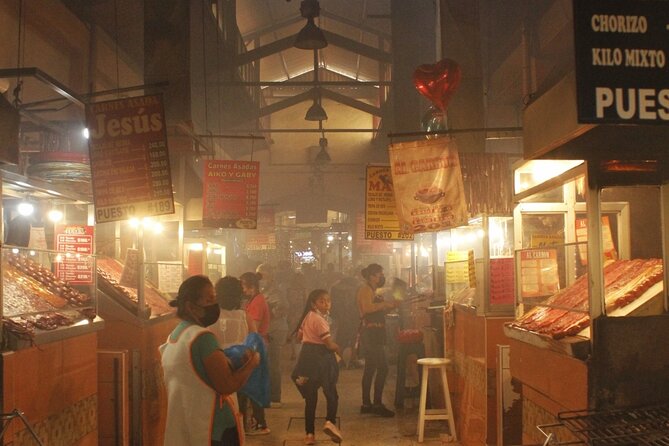
Mercado 20 de Noviembre and the famous meat corridor
The second stop lasts about an hour and a half at Mercado 20 de Noviembre. Here the tour shifts from drinks and small tastes to savory food and a larger meal.
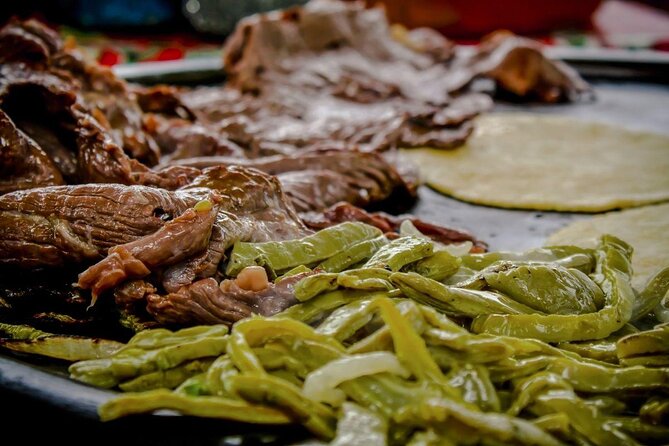
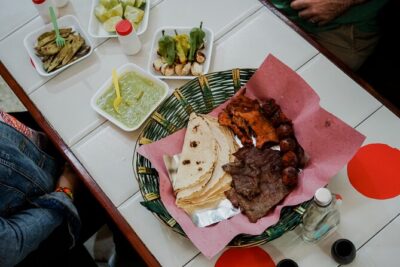
The market’s famous meat corridor is the centerpiece. You can taste roasted meats and local sausages, including cecina and chorizo. The atmosphere is part of the appeal. Smoke, heat, vendors, and the close arrangement of food stalls make this a more direct encounter with Oaxaca’s everyday eating culture than a polished restaurant meal.
Your guide handles much of the ordering, which is useful if your Spanish is limited. You can focus on watching the cooking and tasting the food instead of trying to explain what you want while several vendors compete for your attention.
The meal can include tamales, an empanada al comal, and tlayudas. Tamales give you another way to experience masa, while the comal-cooked empanada shows how a simple corn-based dish can change with its filling and preparation.
Then comes the tlayuda, one of Oaxaca’s signature foods. It is large, crisp or lightly toasted, and built to carry a generous combination of ingredients. The exact topping can vary, but the tasting may include chicken mole, cheese, and other local flavors.
Expect more than one main item. Food served during the final portion has included grilled meats, tamales, chile relleno, chicken mole, and tlayudas. I would treat this as lunch rather than a series of samples. One useful tip from the experience is to taste modestly at the drink stop, especially if you want room for the meal still ahead.
This portion is where the $55 price begins to make more sense. You are paying not only for a guide but also for a carefully arranged sequence of tastings followed by a substantial market meal. The two markets are free to enter, so the value depends on how much food, explanation, and ordering assistance your guide provides.
What the guides add to the food
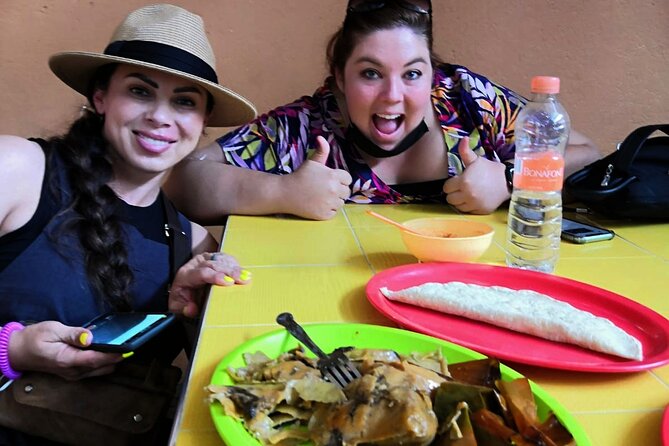
The guide can make or break a market tour. The people associated with this experience include Alicia, Elizabeth, and Coyote, and the strongest accounts of the tour describe guides who explain food, culture, and local customs in clear English.
Alicia has been especially helpful for visitors who want practical advice. She explains how to order despite limited Spanish and helps connect individual dishes to the wider food culture. Elizabeth is praised for clear English, good explanations of regional ingredients, and a warm approach in the markets. Coyote is described as flexible, able to shape the tour around questions, family needs, and an interest in the food of Oaxaca’s different regions.
The group size matters here. With no more than six people, you have a better chance to ask why one mole differs from another, how a particular sausage is made, or what to do with a food you have never seen before. A large group would make these crowded market stops harder to manage.
The tour can also accommodate some dietary needs. One family with a dairy intolerance received adjustments, and another group traveling with a toddler found the guide flexible. Still, you should state your needs when booking and confirm them with the operator. The information available supports accommodation in some cases, not a guarantee for every allergy or restriction.
The cultural conversation can extend beyond food. During the Day of the Dead season, one guide explained how families remember loved ones in personal ways. That kind of context gives the tour more meaning, but the central focus remains eating and understanding market life.
Same stretch of coast, a very different day:
- Hierve el Agua, Tule Tree, Mitla and Mezcal Distillery Tour
★ 4.5 · 1,094 reviews - Explore Hierve el Agua, Mitla, Tule, Textile and Mezcal for a day
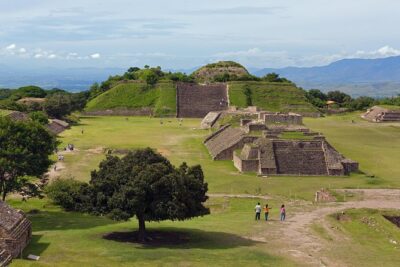
★ 5.0 · 1,043 reviews - Monte Alban Guided Half Day Tour
★ 5.0 · 880 reviews - From Oaxaca de Juarez: Hierve el Agua and Mezcal Distillery
★ 4.9 · 615 reviews
Is $55 a fair price in Oaxaca?
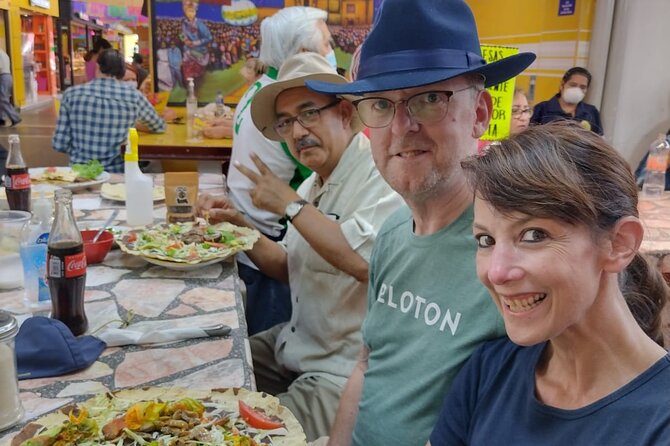
At $55 per person, this is not the cheapest way to eat in Oaxaca. You can buy individual market dishes for far less. If all you want is a tlayuda and a drink, explore independently.
The price becomes easier to justify if you value guidance and variety. You receive roughly two and a half hours with an English-speaking guide, visits to two major markets, numerous tastings, and a full meal at the end. You also avoid spending your first days guessing at menus or ordering only the foods you already know.
There is no separate admission charge for the markets. That means the real value lies in the food arranged for you, the guide’s explanations, and the confidence you gain for later meals. If your guide is Alicia, Elizabeth, or Coyote, you can expect a personal style rather than a large scripted walk, though the exact guide is not guaranteed.
The price is strongest for first-time visitors and people who want to try unfamiliar foods without doing all the research themselves. It is weaker for experienced Oaxaca eaters who already know the markets, speak enough Spanish to order easily, or prefer choosing every dish independently.
One negative experience described the food as not worth the cost and also raised concerns about a late guide and confusing meeting instructions. That appears to be an exception among the available feedback, but it points to a fair question: you are paying for both the meal and the organization. Clear communication at the start matters.
How much food should you expect?
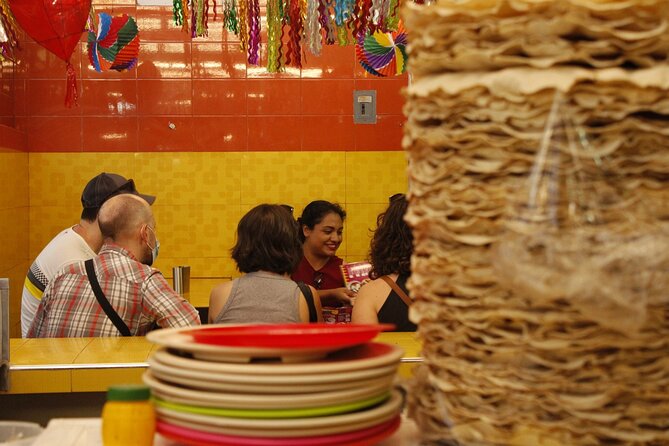
Plan for a serious meal. The tour begins with drinks and sweets, moves through small tastes such as grasshoppers, cheese, mole, mezcal, and possibly worms, then finishes with grilled meats and several Oaxacan specialties.
You may taste cecina, chorizo, tamales, chile relleno, tlayudas, chicken mole, empanadas, local bread, and sweets. The exact mix can change, so do not treat this as a fixed restaurant menu.
I would eat a light breakfast and skip lunch. You may also want to leave dinner open or make it very small. One of the most useful practical lessons is to avoid filling up on a large juice or drink at the first market. There is still plenty of food coming.
Vegetarians and people with dietary restrictions should ask about options before booking. The stated food focus leans heavily toward grilled meats, sausages, cheese, and other traditional products. The guide may be able to adjust choices, but the experience is not presented as a dedicated vegetarian or allergy-focused tour.
Walking, heat, and the pace of the afternoon
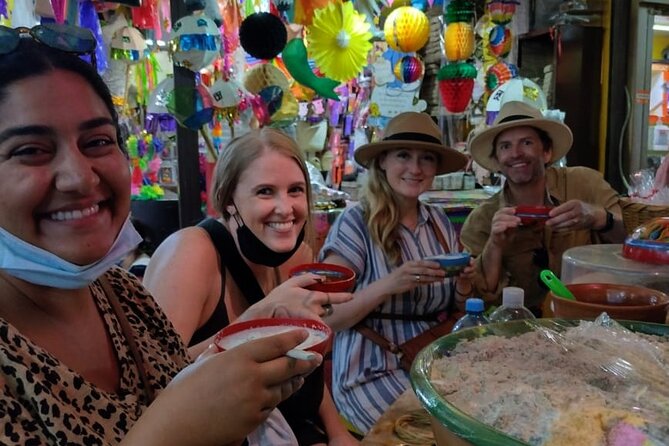
The tour takes about two hours and 30 minutes, not counting any extra time you spend returning to your hotel afterward. You walk between the cathedral and the markets, then move through market aisles and food areas.
Most people can participate, and the route is near public transportation. Even so, you should prepare for uneven walking conditions, crowds, heat, and standing while food is prepared or served. The walk itself is not described as difficult, but it can feel tiring on a hot day.
The small group should help the pace. A guide can spend more time answering questions or adjust slightly for a child. Families, couples, solo visitors, and friends can all fit into the format, provided everyone is comfortable with market walking and adventurous tasting.
The tour returns to the original meeting point. That makes it easy to continue sightseeing in central Oaxaca afterward, though you may prefer a quiet afternoon once the meal is finished.
Who will get the most from this market tour?
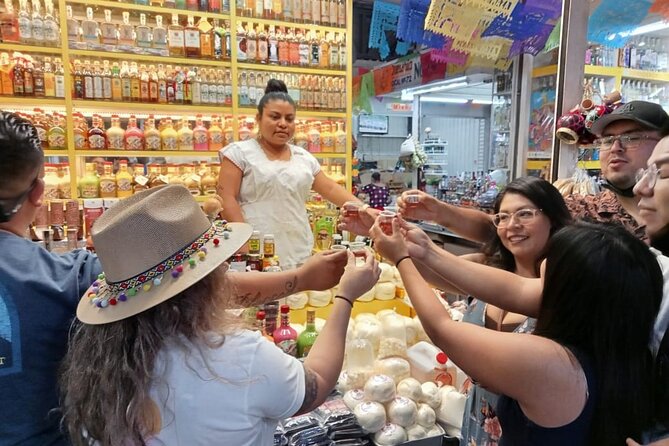
I would choose this experience early in an Oaxaca visit. The guide gives you a working vocabulary for local food and shows you where to look for it. Afterward, you can return to the markets, order with less hesitation, and make better use of your remaining meals.
It suits you if:
- You are visiting Oaxaca for the first time.
- You want an English-speaking guide in a small group.
- You are curious about tejate, chapulines, mole, mezcal, and regional dishes.
- You want a full meal rather than only a few snack-sized samples.
- You feel uncertain about ordering in markets.
- You enjoy learning cultural context alongside food.
I would choose something else if you dislike crowded markets, cannot tolerate a large meal in the afternoon, or want a highly specialized focus such as vegetarian food, mezcal alone, or cooking instruction. This is a broad introduction, not a deep workshop on one dish.
Booking details and cancellation
The tour is offered in English, uses a mobile ticket, and is usually booked about 13 days before the start date. Confirmation is provided when you book. The group maximum is six people, which is worth prioritizing if a personal format matters to you.
You can cancel for a full refund up to 24 hours before the 1:30 pm start time. Cancellations or changes made inside that window are not accepted for a refund. If the minimum number of participants is not reached and the tour is canceled, you are offered another date or experience, or a full refund.
Should you book the Oaxaca Food & Markets Tour?
I would book it near the beginning of a first Oaxaca stay, especially if you want to eat well but feel unsure where to start. The combination of two markets, English guidance, unusual tastings, and a full meal gives you useful information you can apply for the rest of your trip.
The strongest reasons to go are the small group and the guide-led ordering. You get more than a list of dishes. You learn how to recognize them, ask about them, and decide what deserves a second taste.
The main caution is simple: the walk and the amount of food require some stamina. If you arrive hungry, wear comfortable shoes, and keep an open mind, the $55 cost is reasonable for a well-filled afternoon. If you already know Oaxaca’s markets, save the money and explore on your own.
FAQ
Where does the Oaxaca Food & Markets Tour begin?
It begins at Catedral Metropolitana de Oaxaca Nuestra Señora de la Asunción, Av. de la Independencia 700, Centro, Oaxaca de Juárez.
What time does the tour start?
The start time is 1:30 pm.
Which markets does the tour visit?
The tour visits Mercado Benito Juarez and Mercado 20 de Noviembre.
How long does the experience last?
It lasts approximately two hours and 30 minutes.
Is the tour offered in English?
Yes. The experience is offered in English.
How many people can join the tour?
The activity has a maximum of six participants.
New on the Oaxaca City list
- Private Historic City Tour + Street Food of Oaxaca – Best Rated★ 5.0 · 53 reviews
- Street Art Tour With An Artist in Oaxaca★ 5.0 · 54 reviews
- Private and safe transfer from the airport to the hotel in Oaxaca★ 4.5 · 58 reviews
- Paint your Alebrije with the Jimenez family.★ 5.0 · 66 reviews
- Hierve el Agua Half Day trip in the morning★ 5.0 · 66 reviews
- Tradicional Mezcal Experience in Oaxaca-Visit a Family Distillery★ 5.0 · 67 reviews
- Tour Boil the “classic” water★ 4.5 · 67 reviews
- Mezcal & Mole by a Certified Sommelier★ 5.0 · 70 reviews
Oaxaca City Tours, compared.
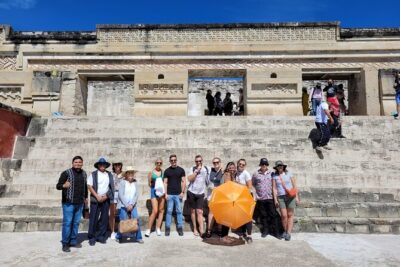
Hierve el Agua, Tule Tree, Mitla and Mezcal Distillery Tour
Read our review →
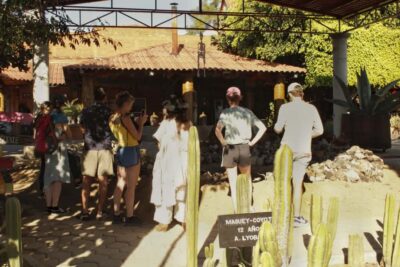
AUTHENTIC OAXACA CULTURAL FOOD TOUR, eat like a local.
Read our review →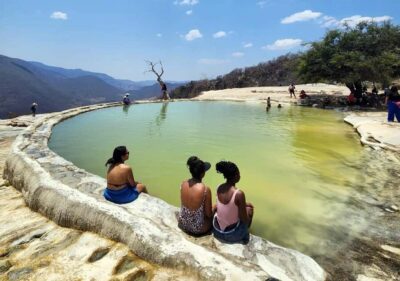
Browse the lists this tour appears in