
Reviewed · OAXACA CITY TOURS
Oaxaca: Monte Alban and the Art of Oaxaca
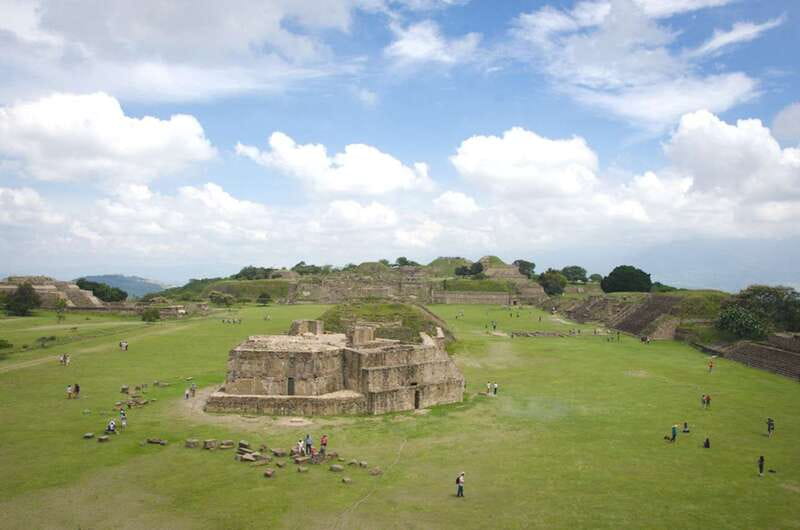
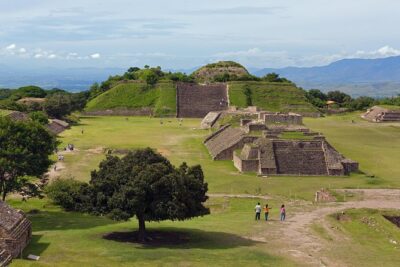
Monte Albán is the star here: a vast Zapotec ceremonial center high above Oaxaca, with broad plazas, stone structures, and far-reaching views. You get a useful mix of archaeology and living craft, moving from the ancient capital to the copal wood carvings of Arrazola and the black clay workshops of San Bartolo Coyotepec.
I like the way the day links Zapotec history with present-day craft, and I like the chance to see how Alebrijes and black pottery are made rather than simply finding finished objects in a shop. Guides such as Ivan, Eloy, and Antonio have brought strong historical and cultural context to the day.
The main caution is pacing. Seven hours covers a lot, and some departures leave too little time at Monte Albán while spending longer than expected at lunch or craft stops. Some shopping visits can also feel more sales-focused than artistic.
Key points to know before you go
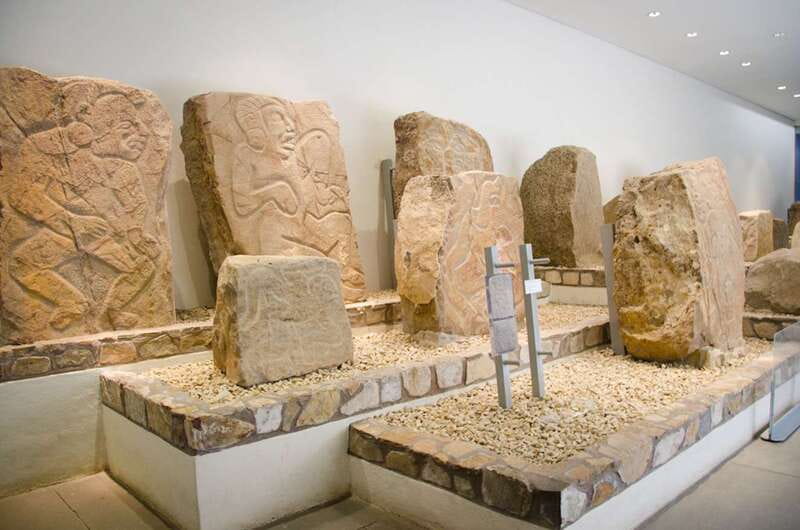
- Monte Albán comes first: Walk through the Zapotec capital, visit the site museum, and climb for broad views. The $6 entrance fee is extra.
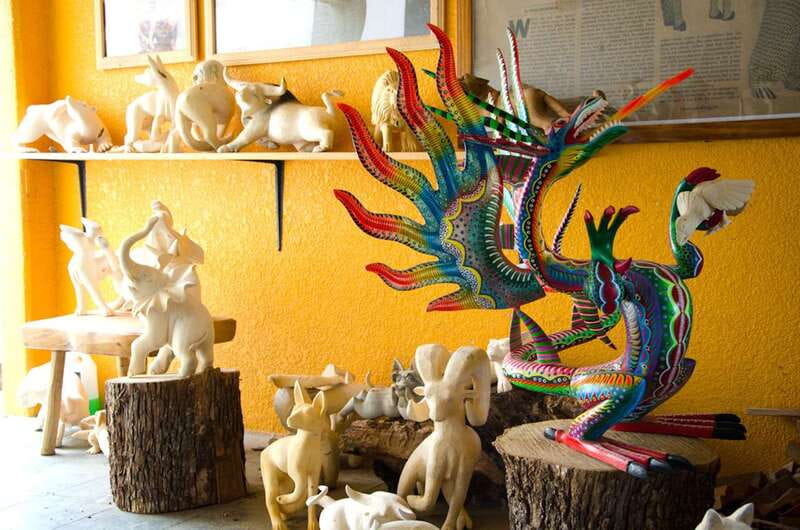
- Arrazola is about the making of Alebrijes: You can watch artisans carve copal wood and explain the steps behind the painted figures.
- San Bartolo Coyotepec focuses on black pottery: This is one of the most worthwhile craft stops if you want to see a distinctive local technique.
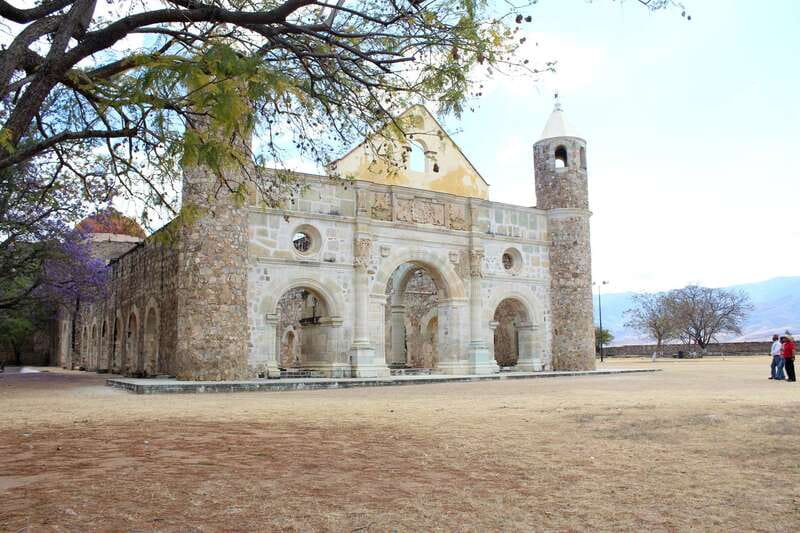
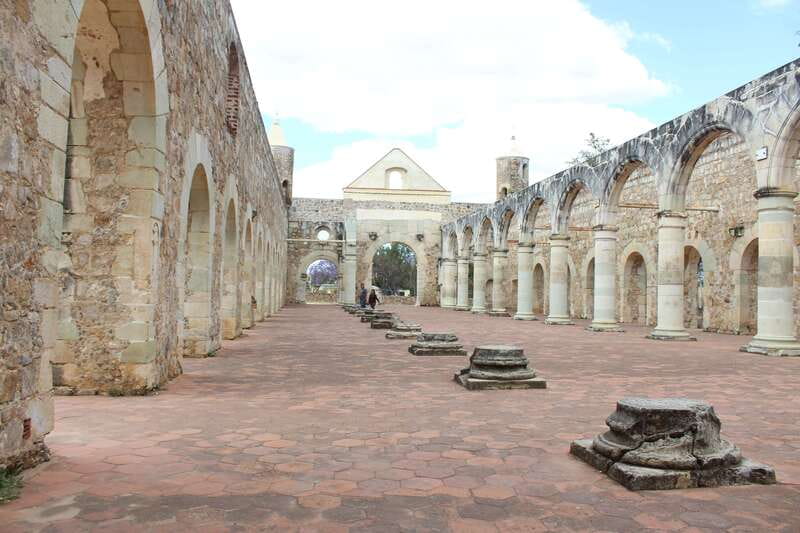
- Cuilapam adds colonial history: The 16th-century Dominican ex-monastery is an optional stop and may be closed for safety reasons.
- Lunch is separate: A buffet or local meal may be part of the day’s flow, but food and drinks are not included in the price.
- Plan for sun and walking: Wear good shoes, bring water, a hat, sunscreen, sunglasses, and cash.
Why Monte Albán makes this a worthwhile day
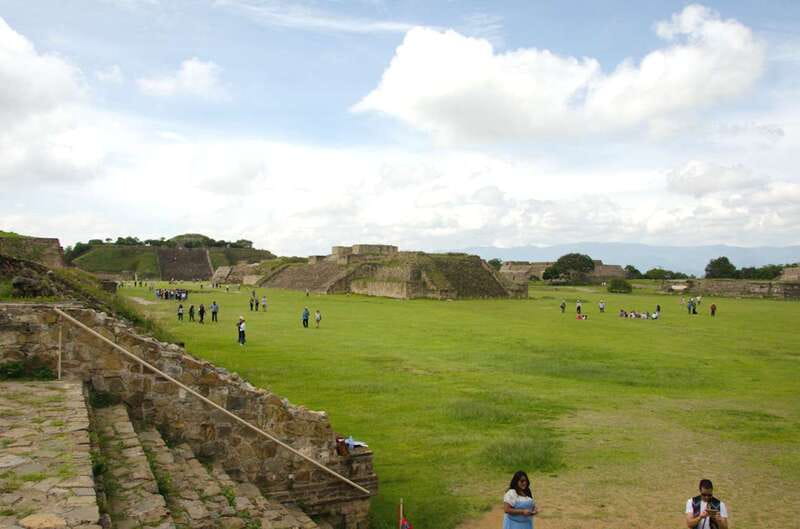
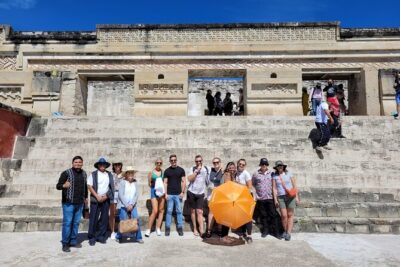
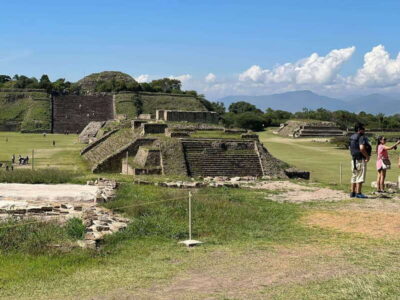
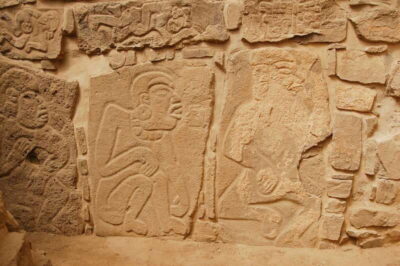
If you have only one day to set the cultural direction of your Oaxaca visit, Monte Albán is a smart choice. The ruins were the religious, political, and economic center of the Zapotec civilization, and the site gives you more than a few isolated monuments. You walk across a large central plaza and see how the city was arranged as an urban center.
The setting is part of the appeal. From the top of the archaeological structures, you can look across the high ground around Oaxaca. Bring your camera, but do not spend the whole visit chasing photographs. The scale of the plaza and the relationship between the buildings make more sense when you slow down and listen to the guide.
A good guide can turn stones and platforms into a story about power, ritual, trade, and daily life. Ivan has been especially strong at explaining Monte Albán in detail, while Eloy has brought warmth and passion to the history and culture. Guide assignments vary, so your experience will depend partly on who leads your departure, but the tour is offered in both English and Spanish.
One point needs careful attention: not every departure appears to provide the same level of guided time inside the main archaeological area. You should expect an introduction and time to walk around, but ask at the start how much of the site will be explained directly and how much free time you will have. That small question can help you use the visit well.
A few other Oaxaca De Juarez days to price up
- Oaxaca de Juarez: Monte Alban Half-Day Tour
★ 4.7 · 492 reviews - Oaxaca: Tule, Mitla & Hierve el Agua, & Mezcal Tour
★ 4.7 · 456 reviews - Oaxaca: Monte Alban Guided Archaeological Tour
★ 4.2 · 419 reviews
Walking the Zapotec capital
Monte Albán is not a quick roadside photo stop. You will walk across open, exposed ground and around substantial archaeological structures. The tour information calls for a considerable amount of walking, and that is accurate in practical terms. Comfortable shoes matter more than stylish ones.
The broad plaza helps you grasp the city’s purpose. This was not simply a hilltop settlement. It was a major center of Zapotec life, and the ceremonial buildings, open space, and elevated position show the importance of the site.
The museum adds useful background, especially if you enjoy seeing objects and explanations after walking among the ruins. Still, the balance between museum time, a guided route, and free exploration may vary. If you want detailed archaeology, stay close to the guide early in the visit, then use free time for photographs and a slower look at the structures.
Sun protection is essential. Bring a hat, sunglasses, water, comfortable clothing, and biodegradable sunscreen. There may be little shade where you need it most, and the open setting can make the heat feel stronger than it does in central Oaxaca.
Arrazola and the hands behind Alebrijes
The next major theme is Oaxacan folk art, especially the carved figures known as Alebrijes. In San Antonio Arrazola, artisans work with copal wood and show how rough pieces become imaginative animals and other figures.
This is the part of the day where you should pay attention to the process. The useful question is not only which painted creature you might buy, but how the artisan chooses and shapes the wood, then builds up the color and detail. The figures express the playful, inventive side of Oaxacan craft, while the carving itself connects to older local traditions.
The stop can be rewarding for anyone interested in handmade work, but it can also feel like a shop visit. Some workshops are large, and the sales portion may take more attention than the actual demonstration. You do not need to buy anything to benefit from the stop. Listen to the explanation, watch the carving, and take time to compare the different styles before deciding.
If you are shopping, inspect the finish closely and ask about the carving and painting process. The tour price does not include purchases, so bring cash if you expect to buy. The information provided does not specify card acceptance, so cash is the safer choice.
Cuilapam’s Dominican connection
Cuilapam de Guerrero adds a different layer to the day. This Mixtec town is known for its 16th-century Dominican ex-monastery, an imposing reminder that Oaxaca’s story includes Indigenous civilizations, colonial religious buildings, and living communities.
The former convent is listed as optional, and it may be closed because of safety restrictions. That means you should treat it as a possible addition rather than the central reason to book the tour. If it is open, it gives you a useful change of pace after the open-air ruins and craft demonstration.
The stop also helps connect the region’s cultural groups. Monte Albán is closely tied to the Zapotec civilization, while Cuilapam is identified with the Mixtec community. You do not need a long lecture to notice that Oaxaca is not one single cultural story. A strong guide can explain those connections without flattening them into a simple timeline.
Because the day already contains several stops, do not expect a long, unhurried visit here. The former convent’s status can change, and the overall route is subject to change.
Same stretch of coast, a very different day:
- Check out Hierve el Agua, Mitla, the Tule Tree, Rugs, and a Mezcal Distillery Tour
★ 4.9 · 222 reviews - From Oaxaca: Monte Alban, Alebrijes & Black Clay Day Trip
★ 4.6 · 217 reviews - Oaxaca: Food and Markets Tour
★ 4.9 · 170 reviews - From Oaxaca: Hierve el Agua and Teotitlán del Valle
★ 4.3 · 162 reviews
San Bartolo and the black clay tradition
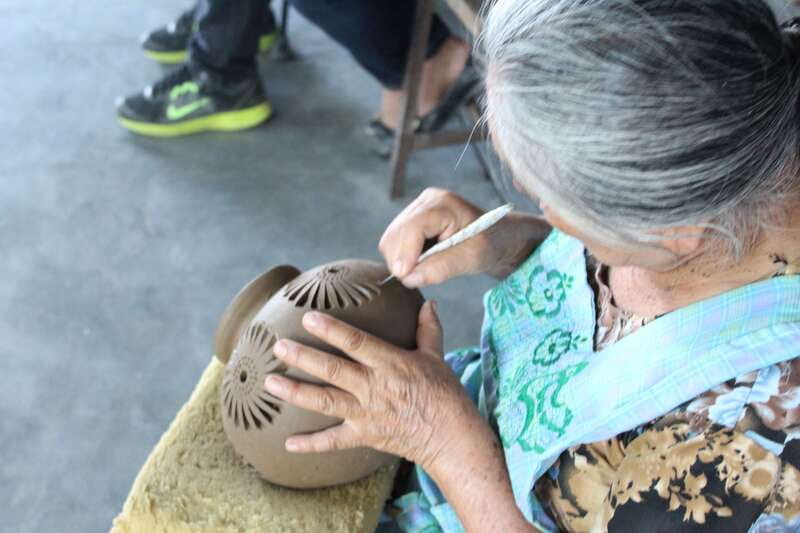
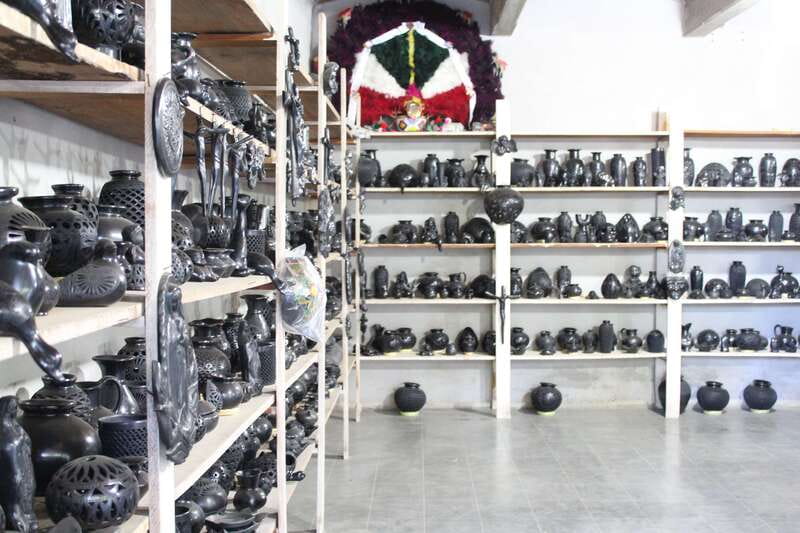
San Bartolo Coyotepec is the final major craft stop, and its black pottery is one of the clearest reasons to include this tour instead of choosing a ruins-only outing. The town is known for adobe houses and for figures made from distinctive black clay.
Watching the pottery process gives you a better sense of value than seeing a finished piece on a shelf. You can see the patience and handwork behind the objects, then decide if a small piece is worth carrying home. This stop has been especially well received for its combination of demonstration and local tradition.
The famous black finish is visually striking, but the real interest is the work itself. Ask the guide or artisan to explain the steps as they are shown. You will get more from the stop if you focus on how the clay is shaped and finished, not only on the final color.
As at Arrazola, expect a retail element. The workshop may encourage purchases, and that can make the visit feel less like a museum or class. I would treat it as a chance to meet a craft tradition in its working setting, then browse only if you are genuinely interested.
Lunch, chocolate, and the day’s changing rhythm
Although food and drinks are not included, lunch can be an important part of the experience. Some departures include a buffet or meal stop, and the Oaxaca buffet has been a highlight for several people. Casa Frida de mi Corazón was singled out as an excellent place to eat.
Budget for lunch separately and check the day’s plan at the beginning. One common concern is that lunch can take longer than expected, reducing time for Monte Albán. If the ruins are your main goal, make that clear to the guide before the group settles in for the meal.
Some versions of the route have also included extra stops, such as a small mezcal distillery or a chocolate maker. These additions are not guaranteed by the stated itinerary, so do not book this tour specifically for them. If they appear, treat them as an unexpected bonus, not a promise.
Chocolate stops can be pleasant, but they may be more retail-oriented than educational. If your interest is the history of chocolate making, ask what will actually be demonstrated. The core experience is Monte Albán, Arrazola, Cuilapam, and San Bartolo, not an in-depth food tour.
Timing, pickup, and transport details
The excursion lasts about seven hours, with the start time set according to availability and the day’s route. Hotel pickup and drop-off are included during the low season. During the high season, you may instead be given a meeting point in downtown Oaxaca.
Pickup communication deserves care. Wait in your hotel lobby 15 minutes before the scheduled time. The driver should wear a blue shirt with a Paraiso Huatulco logo and call your name, but drivers wait no longer than five minutes after the agreed pickup time.
A past departure had a long wait because the exact pickup time was not clearly communicated. I would confirm the time directly before the day begins and be ready early. The pickup time is described as flexible, which can help create a better route, but flexibility is less useful if you do not know when to leave your hotel.
Drop-off may also need confirmation. The stated service includes hotel drop-off, but one departure ended in central Oaxaca rather than at the original pickup point. Ask where you will finish before setting a dinner reservation or arranging another activity.
The tour is not suitable for wheelchair users, and the amount of walking can be tiring for anyone with mobility concerns. Oversize luggage and pets are not allowed. A day pack is the practical choice.
What $42 really buys you

At $42 per person, this is good value if you want transport, a guide, and several cultural stops in one day. You also receive hotel pickup and drop-off when that service is operating, which saves you from arranging separate transport to Monte Albán and the surrounding towns.
The price does not include the $6 Monte Albán entrance fee, food, drinks, or anything you buy at the craft workshops. That keeps the advertised cost low, but you should add those expenses before comparing it with a private outing or a ruins-only visit.
The value is strongest for a first visit to Oaxaca or for a short stay. You see the area’s major archaeological site and two important craft traditions without having to plan several separate trips. The compromise is that you have less control over how long you stay at each place.
If you care most about archaeology, a dedicated Monte Albán visit may give you more time and a slower pace. If you want a broad introduction to Oaxaca’s past and present, this outing earns its price.
Who will enjoy this day most
You should consider booking if you want a full cultural snapshot, prefer having a guide explain the context, and do not mind moving between several stops. It suits people who have limited time and want more than ruins alone.
It is also a good fit if you like handmade objects and want to see artists at work. The Alebrijes and black pottery visits make the day more personal than a standard archaeological excursion.
You may want another option if you dislike shopping stops, need long quiet periods at archaeological sites, or want a tightly controlled schedule. The day can feel packed, and the retail side of the craft visits is part of the experience.
English speakers should confirm the language before departure. The tour is advertised in English and Spanish, and guides including Ivan, Eloy, and Antonio have led strong bilingual experiences. Still, one departure placed English-speaking participants with a Spanish group without proper interpretation. Clear communication at pickup is worth the effort.
Should you book Oaxaca: Monte Albán and the Art of Oaxaca?
Book it if you want a practical, fairly priced introduction to Oaxaca that combines Monte Albán with living craft traditions. The strongest parts are the archaeological setting, the guide’s cultural storytelling, the Alebrije carving, and the black pottery demonstration.
Go in with realistic expectations. This is a busy seven-hour circuit, not a private art seminar or a slow archaeological study day. Confirm your pickup time, carry the $6 entrance fee plus money for lunch and purchases, and tell the guide if Monte Albán deserves extra free time for you.
For first-time visitors, this is a sensible choice. For returning visitors who already know Monte Albán and the major craft towns, a more focused tour may offer greater depth.
FAQ
How long is the tour?
The tour lasts seven hours.
What languages are available?
Live guides are available in English and Spanish.
Is hotel pickup included?
Hotel pickup and drop-off are available during the low season. During the high season, you may receive a meeting point in downtown Oaxaca instead.
How much is the Monte Albán entrance fee?
The entrance fee is $6 per person and is not included in the tour price.
Is food included?
No. Food and drinks are not included. A lunch stop may be part of the day, so bring extra money.
What should I bring?
Bring comfortable shoes, sunglasses, a sun hat, water, biodegradable sunscreen, comfortable clothing, and cash.
Can wheelchair users join the tour?
No. The tour is not suitable for wheelchair users and includes a considerable amount of walking.
New on the Oaxaca De Juarez list
- Oaxaca de Juarez: Art Printing Workshop with a Local Artist★ 5.0 · 72 reviews
- The Mezcal Journey★ 4.9 · 78 reviews
- Oaxaca: Full Day Guided Tour on the Hierve el Agua Route★ 4.7 · 79 reviews
- Oaxaca: Traditional Oaxacan Cooking Class with Market Visit★ 4.9 · 80 reviews
- Oaxaca: Vegetarian Cooking Class★ 4.8 · 139 reviews
- Oaxaca: Oaxacan Mole Workshop with a Traditional Cook★ 4.7 · 158 reviews
- From Oaxaca: Hierve el Agua and Teotitlán del Valle★ 4.3 · 162 reviews
- Oaxaca: Food and Markets Tour★ 4.9 · 170 reviews
Oaxaca City Tours, compared.
Hierve el Agua, Tule Tree, Mitla and Mezcal Distillery Tour
Read our review →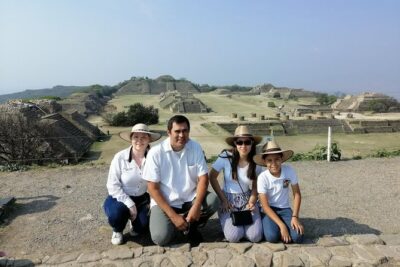

AUTHENTIC OAXACA CULTURAL FOOD TOUR, eat like a local.
Read our review →
Browse the lists this tour appears in