
Reviewed · PUERTO VALLARTA TOURS
Puerto Vallarta: Baby Turtle Release in Conservation Area
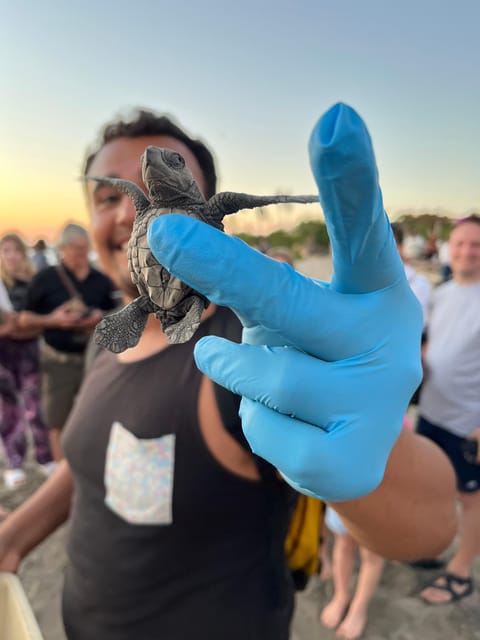
The small olive ridley turtles are the stars here, but the best part comes before the release. You learn how conservation workers find nests, move eggs to a protected incubation area, and give hatchlings a better chance of reaching the sea. Then, at sunset, you help send the tiny turtles down the beach.
I like the hands-on conservation lesson and the calm bay views at day’s end. I also like that guides such as Eduardo, Eddie, and Carlos keep the experience lively in both English and Spanish. The main catch is simple: turtles do not hatch on demand, so your release may need to be rescheduled.
Key points to know before booking
- A 15-minute beach walk connects the meeting point near Marina Vallarta with the turtle camp.
- Olive ridley sea turtles are the focus, with lessons on their life cycle, eggs, nests, and hatching.
- The release depends on nature, so no hatchlings may be available on your scheduled date.
- Sunset over Puerto Vallarta Bay gives the final part of the activity a memorable setting.
- English and Spanish guides explain the work and lead the release.
- Transportation is not included, and you must follow the meeting-point directions carefully.
Why this Puerto Vallarta turtle release feels different
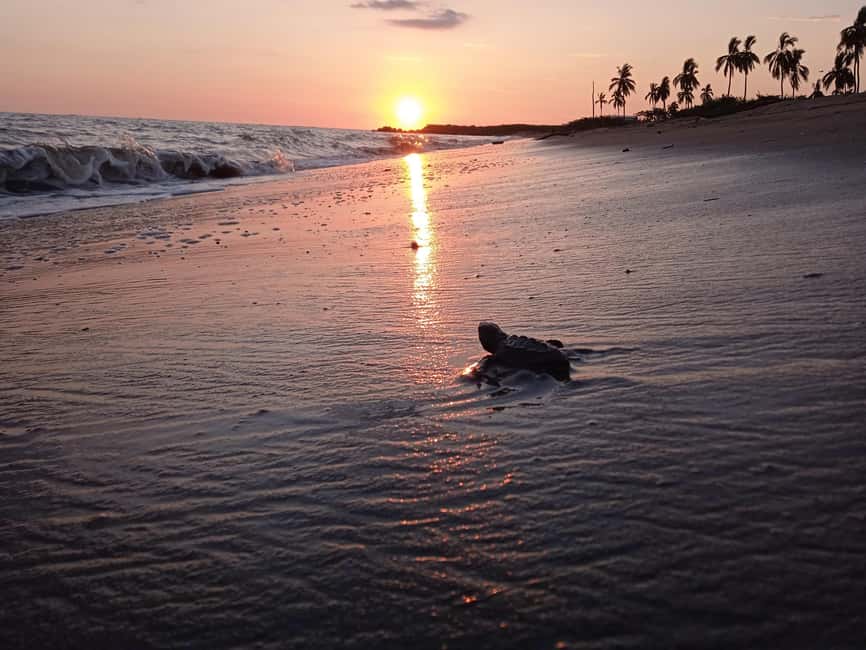
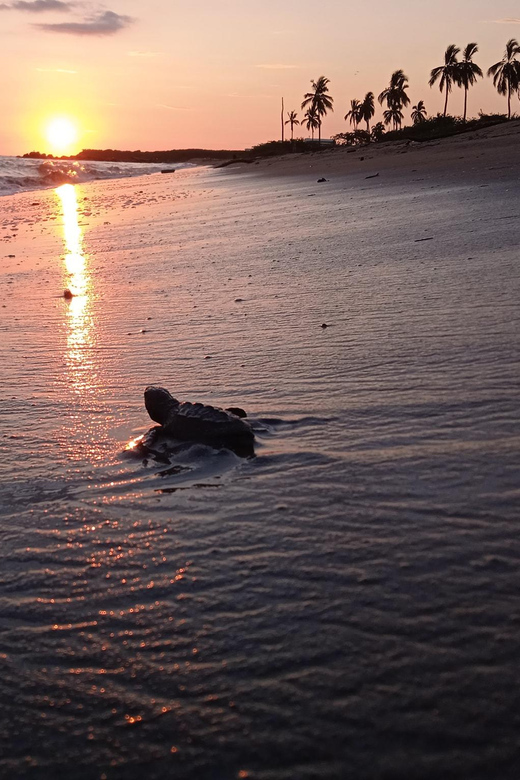
Many wildlife activities keep you at a distance. This one asks you to take part in a short, carefully guided release. You receive a newly hatched turtle and place it on the sand, then watch it crawl toward the water under its own power.
That moment is brief. The turtle does not pose for long, and the guides do not treat it like a toy. The value comes from seeing how small the animal is, learning how much work goes into protecting its nest, and understanding that the walk to the ocean is only the beginning of its struggle.
The activity also puts conservation ahead of entertainment. You are not simply shown a turtle and sent home with a picture. You hear about nest searches, egg collection, incubation, and the hazards that affect endangered sea turtles. The lesson gives the release some meaning.
I especially like the way the sunset is part of the setting rather than a separate sightseeing stop. You finish with the bay and open sea in view, then watch the hatchlings move across the beach. It is a strong combination of scenery and purpose.
A few other Puerto Vallarta days to price up
- Puerto Vallarta Best Zipline Canopy + Tequila and Speed Boat Ride
★ 5.0 · 3,786 reviews - Winner 2025 Downtown Vallarta Food Tour with Vallarta Food Tours
★ 5.0 · 3,738 reviews - Extreme Adventure, Wildest Bridge, ATV & Ziplines
★ 5.0 · 3,179 reviews
Meeting near Marina Vallarta
The official meeting point is at the end of Paseo Bocanegra street. The easiest access is through Marina Vallarta via Albatros Street. Continue until you cross Paseo Bocanegra, then go straight to the end, where you should see a golf course, a wall with drawings, and the beach.
This is not a regular hotel pickup. Transportation is not included, so you need to arrange your own ride. Some participants have used an Uber to reach the meeting point and then found a ride back afterward.
Pay close attention to the directions. The area can feel isolated, especially if you arrive early. Wait at the meeting point and do not walk to the campground alone. The guides meet you there and lead the group onward.
That last detail matters. You are not wandering down an unfamiliar beach looking for a tent or sign. The meeting instructions are specific because the conservation camp is reached on foot, not by a normal road entrance.
The 15-minute walk to the conservation camp
From the meeting point, you walk for about 15 minutes to reach the camp. This is not a long hike, but you are on foot near the beach and natural area, so comfortable clothes and shoes are sensible.
The walk helps shift the mood from city sightseeing to a quieter coastal setting. At the same time, it means this activity is not a good fit for anyone with limited mobility, low fitness, or a need for wheelchair access. The experience is also not suitable for people with respiratory issues, animal allergies, or high blood pressure.
Bring insect repellent. One participant ignored that advice and regretted it, especially as the evening progressed. Biodegradable sunscreen is also requested, which is a small but sensible choice around a beach conservation project.
What you learn at the 45-minute campsite visit
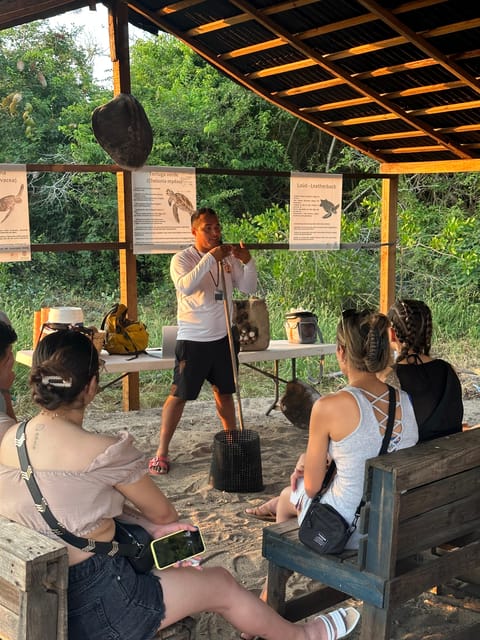
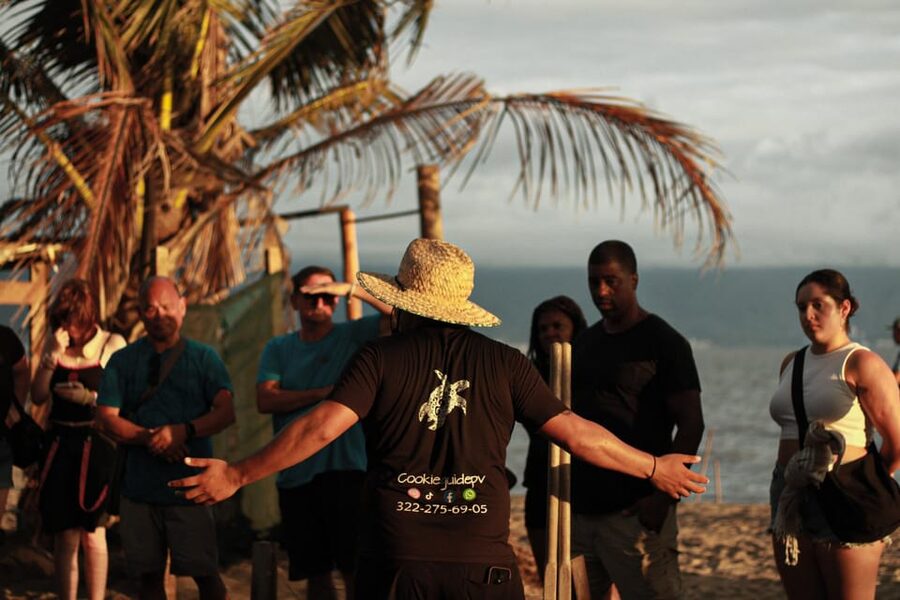
The main educational portion lasts about 45 minutes. Guides explain the olive ridley turtle’s life cycle and describe how conservation workers search for nests and eggs.
You also learn how eggs are collected and moved to an incubation area. This is the part that gives the later release its context. Instead of seeing only a bucket of hatchlings, you get a look at the work that happens before the eggs open.
The guide explains how the eggs are cared for while they develop and how the camp prepares for hatching. The details help you see conservation as steady, hands-on labor. Workers must locate nests, protect eggs, monitor the incubation process, and organize the release when hatchlings appear.
The guides are a major part of the experience. Eduardo has led groups in both English and Spanish, and his ability to keep a mixed-language group involved has been praised. Eddie and Carlos have also guided the activity, with Carlos noted for handling a group that included toddlers, older children, and seniors.
The tone is educational but not stiff. You can expect explanations, questions, and a little light humor. Children often respond well because the subject leads directly to an exciting final activity, while adults get the wider picture of why nest protection matters.
The conservation camp itself is basic. This is a working site, not a polished attraction with extensive visitor facilities. That authenticity is part of the appeal, but comfort is limited.
Same stretch of coast, a very different day:
- Mega Yacht ALL INCLUSIVE Yelapa Waterfall & Snorkeling Adventure
★ 5.0 · 2,515 reviews - Food & Mixology Tour:Tequila,Tacos, Mezcal and Agave Cocktails
★ 5.0 · 1,884 reviews - Outdoor Ziplining, Waterfalls & Speed boat in Puerto Vallarta
★ 5.0 · 1,796 reviews - Rhythms of the night, Sunset Cruise, Candlelit Dinner & Alma Show
★ 4.5 · 1,667 reviews
Searching for nests and protecting eggs
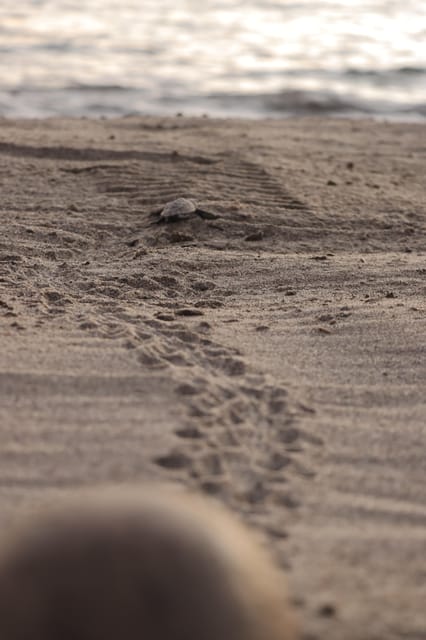
The demonstration focuses on how workers locate nests and gather eggs for incubation. You see the practical side of turtle protection rather than only the finished result.
The process is important because eggs on an open beach face hazards before the hatchlings ever appear. The tour explains the steps used by the local conservation effort to improve their odds. It does not turn the work into a dramatic show. Instead, you get a clear look at the routine tasks behind the scenes.
One especially fortunate outing included a fresh nest collection during the visit. That is not something you should expect on every date, but it shows how closely the activity is tied to the natural cycle. The camp’s work continues even when no hatchlings are ready for release.
The setting also has rough edges. Beach litter has been noticed in the area, and the portable toilets may be poorly maintained, with reports of broken doors and no toilet paper. Bring realistic expectations. You are visiting a conservation site in a natural area, not a full-service park.
Sunset and the 20-minute wildlife viewing period
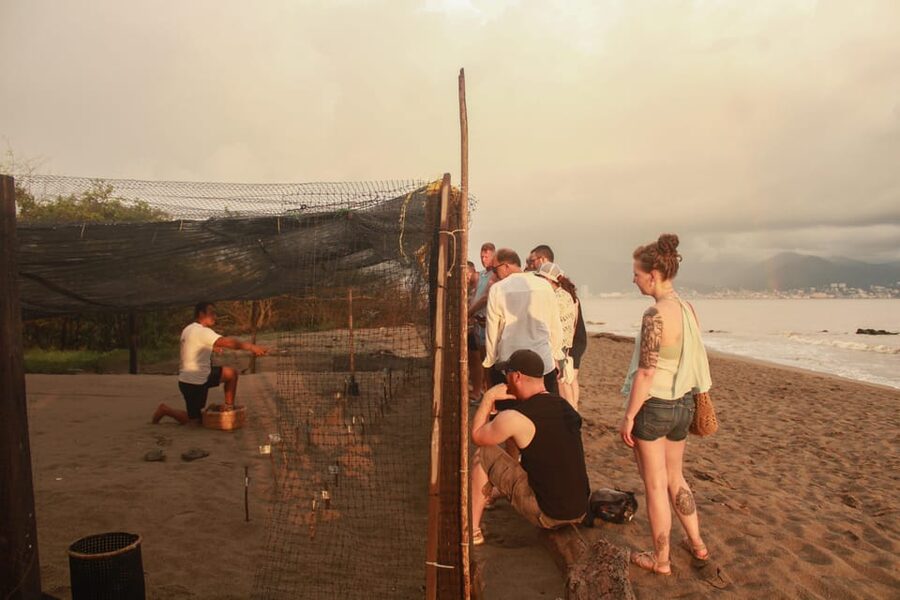
After the camp visit, the group spends about 20 minutes watching for wildlife and taking in the coastal setting. The timing is designed to line up with sunset, so the bay becomes part of the experience.
Puerto Vallarta’s evening light gives you a scenic pause before the final release. The views are especially appealing when the weather cooperates, though conditions can shift. One outing had stormy weather, but the rain passed quickly and the group still caught a beautiful sunset.
Weather is worth keeping in mind. Rain gear was provided during one wet outing, but you should still dress for changing conditions and ask the operator what is available on your date. The release itself may be delayed or adjusted if conditions are unsuitable.
This pause also gives the guides time to prepare the group. The excitement builds naturally because everyone knows the hatchlings are coming, but the activity does not rush straight from the lesson to the beach.
Releasing the baby turtles into the Pacific
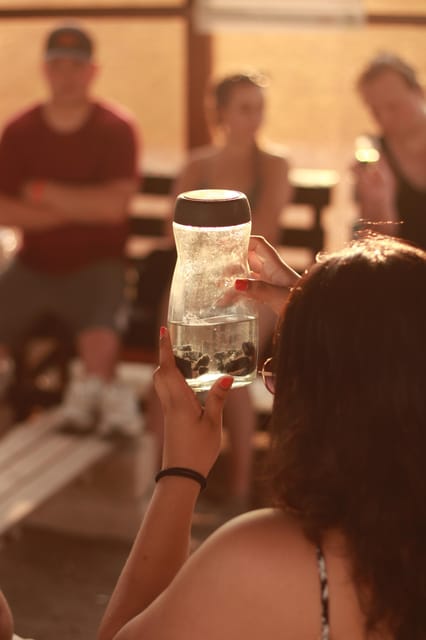
The final release is the reason most people book. Each participating visitor receives a baby turtle and places it on the sand. Some people name their turtle, say a prayer, or make a wish before letting it go. You can take a quiet moment, but the hatchling soon begins its own journey toward the surf.
Children tend to find the release thrilling, and children around age 10 have enjoyed taking part. The experience also works for adults because the tiny scale of the animal makes the moment unexpectedly moving.
The guides emphasize the turtles’ vulnerability and the importance of giving them space. You should expect a supervised release, not prolonged handling. That is good practice for the animals and keeps the experience focused on conservation.
Photography is handled by a photographer during some departures, allowing you to put your phone away and pay attention. The supplied details say photos are included, but one participant reported paying extra to keep the images, while others received a link as part of the tour. Ask for the current photo policy before booking if this matters to you.
Do not expect a guaranteed close-up portrait with your turtle. The priority is getting the hatchlings safely onto the beach. One person wished for more photo time, while others appreciated having a photographer capture the moment without forcing everyone to stare at a screen.
The biggest issue: hatchlings depend on nature
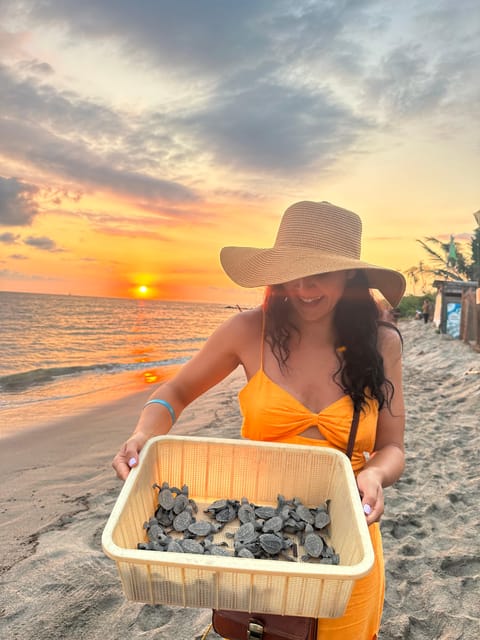
The tour cannot promise a release every day. If no turtles hatch on your reservation date, you can reschedule or cancel.
That policy is important enough to shape your plans. Book this activity early in your Puerto Vallarta stay if possible. That gives you more room to move the outing to another day if the camp has no hatchlings ready.
A same-day change may be inconvenient, but it is far better than pretending the natural cycle can be scheduled like a show. The staff has contacted participants during the day with updates and worked to find alternate dates when no turtles hatched.
You should also understand that the activity is not just a release with a short talk attached. If hatchlings are unavailable, the educational portion may still be valuable, but the main hands-on moment will not happen. Keep your expectations flexible.
Is the $40 price a good value?
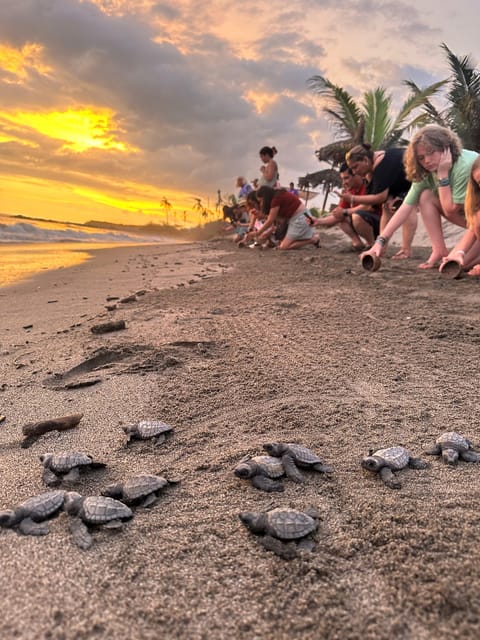
At $40 per person, this is a strong value if you want a short activity with a real conservation purpose. The price includes a guide, the release experience, a demonstration of nest and egg collection, water, and photos according to the supplied activity details.
You still pay for your own transportation. Depending on where you stay, the ride to Marina Vallarta may add to the total. You should also bring money for any optional photo charge if the current policy requires it.
The two-and-a-half-hour duration is well judged. It is long enough for the camp lesson, wildlife viewing, sunset, and release, but short enough to fit into an afternoon or evening. You do not lose a full day of sightseeing.
The value is strongest for families and visitors who want to support local conservation while learning something concrete. It is less suitable if you need luxury facilities, guaranteed wildlife sightings, or a tightly fixed schedule.
If you can, consider an additional donation to the conservation effort. The activity already supports the work through your booking, but the project depends on continued effort to protect nests and hatchlings.
Practical advice for a smoother evening
Arrive early, but remain at the meeting point rather than walking to the camp alone. Check your route in advance because the end of Paseo Bocanegra is more remote than a typical tour pickup.
Wear comfortable clothing and shoes for the beach walk. Bring biodegradable sunscreen and insect repellent. Avoid alcohol and drugs, and do not bring a drone.
The activity is offered in English and Spanish. If you have questions about language support for your group, confirm it when booking.
Children younger than five do not pay for a ticket, but they may only watch the release and cannot participate directly. The activity is not suitable for wheelchair users or people with mobility impairments.
Keep the evening open for a possible schedule change. If hatchlings do not appear, the operator may offer another date or cancellation. Booking near the beginning of your stay gives you the best chance of fitting in a second attempt.
Plan your return ride before the release ends. Staff have helped call taxis and stayed with participants until they were safely on their way, but you should still have a transportation plan ready.
Who should book this experience?
I would recommend it to families with children over five, couples looking for a meaningful sunset activity, and anyone interested in wildlife protection. It is also a good choice for visitors who prefer a local project over a large commercial attraction.
You should book it if you can accept a basic campsite, a short walk, insects, and a release that depends on the hatchlings’ schedule. You should skip it if you need guaranteed timing, polished bathrooms, easy wheelchair access, or a fully included transfer.
The experience earns its value through the guide’s explanations and the chance to take part in conservation work, not through comfort or elaborate facilities. Eduardo, Eddie, and Carlos have helped make the educational side engaging, but the turtles remain in charge of the schedule.
Should you book the Puerto Vallarta turtle release?
Yes, if you want a memorable, hands-on activity with a clear conservation message. The release is short, but the lesson about collecting and incubating eggs gives it weight. Add the sunset, the bay views, and the possibility of photographs, and $40 is a fair price.
Book early in your stay, follow the meeting directions, bring repellent, and keep your date flexible. If you understand that nature may cancel the star of the show, this is one of Puerto Vallarta’s more meaningful evening activities.
FAQ
Where does the turtle release experience meet?
The meeting point is at the end of Paseo Bocanegra Street. Access is through Marina Vallarta via Albatros Street. Continue past the crossing with Paseo Bocanegra until you reach the golf course, wall with drawings, and beach.
How long does the activity last?
The full experience lasts about two and a half hours. The walk to the conservation camp takes about 15 minutes each way.
Is transportation included?
No. Transportation is not included, so you must arrange your own way to and from the meeting point.
What happens if no turtles hatch that day?
You can choose to reschedule or cancel if no turtles hatch on the date of your reservation.
Can children participate?
Children under five do not need a ticket, but they may only observe the release. Children five and older can participate, subject to the activity’s conditions.
What languages are available?
The tour is offered in English and Spanish.
What should I bring?
Bring biodegradable sunscreen, comfortable clothes, and insect repellent. Drones, alcohol, and drugs are not allowed.
New on the Puerto Vallarta list
- Puerto Vallarta Pirate Premium Sailing Cruise★ 4.5 · 53 reviews
- Ocean Mania & water park experience in Puerto Vallarta★ 4.0 · 53 reviews
- Sayulita & San Pancho★ 4.5 · 54 reviews
- Puerto Vallarta: Canopy Tour with Zipline and Speedboat Ride★ 4.6 · 55 reviews
- ATV Tour in Puerto Vallarta, waterfall and tequila tasting.★ 4.0 · 57 reviews
- Whale Watching in Puerto Vallarta★ 4.5 · 57 reviews
- Private Whale watching Puerto Vallarta★ 5.0 · 59 reviews
- Half Day Private Sailing Cruise Puerto Vallarta with Snorkeling★ 5.0 · 59 reviews
Puerto Vallarta Tours, compared.
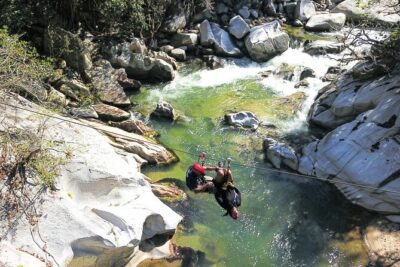
Puerto Vallarta Best Zipline Canopy + Tequila and Speed Boat Ride
Read our review →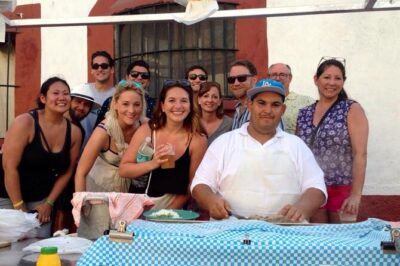
Winner 2025 Downtown Vallarta Food Tour with Vallarta Food Tours
Read our review →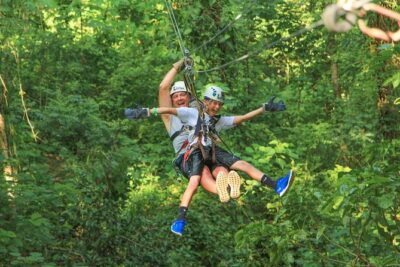
Extreme Adventure, Wildest Bridge, ATV & Ziplines
Read our review →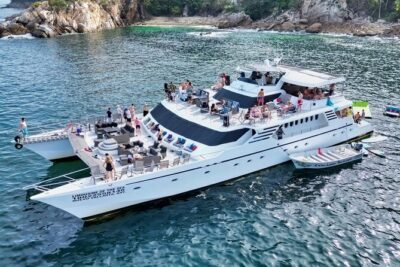
Mega Yacht ALL INCLUSIVE Yelapa Waterfall & Snorkeling Adventure
Read our review →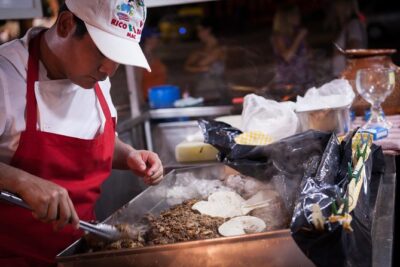
Food & Mixology Tour:Tequila,Tacos, Mezcal and Agave Cocktails
Read our review →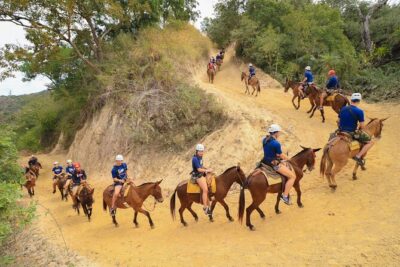
Outdoor Ziplining, Waterfalls & Speed boat in Puerto Vallarta
Read our review →
Rhythms of the night, Sunset Cruise, Candlelit Dinner & Alma Show
Read our review →
Boat and Snorkel Tour to 5 Islands of Los Arcos
Read our review →Browse the lists this tour appears in