
Reviewed · MAZATLAN TOURS
Authentic Mexican Cooking Class in Mazatlan
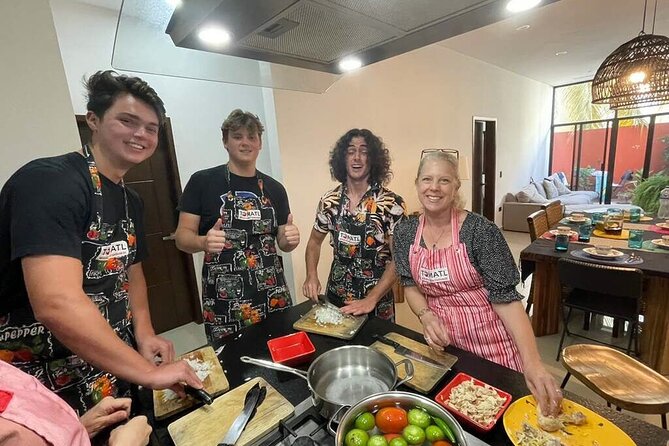
The best part of this Mazatlan experience is that you do not just eat Mexican food, you make it from the first chop to the final tortilla press. Chef Paola explains where the ingredients come from, how regional dishes differ, and why Mexican cooking uses its spices and chiles in such distinct ways.
I like the hands-on tortilla work and the chance to eat nearly everything you prepare. I also like the small-group setting, the cultural stories, and the recipe email that lets you repeat the dishes at home. The main thing to consider is that the menu changes with the local market, and one past class became crowded when nine people were scheduled, so it is worth confirming the group size.
Key points at a glance
- Fresh-market menu: The dishes change according to the local ingredients available, so each class can offer a different taste of Mexico.
- Tortillas made by hand: You may press and cook corn tortillas for tacos or other dishes, rather than simply assembling a prepared meal.
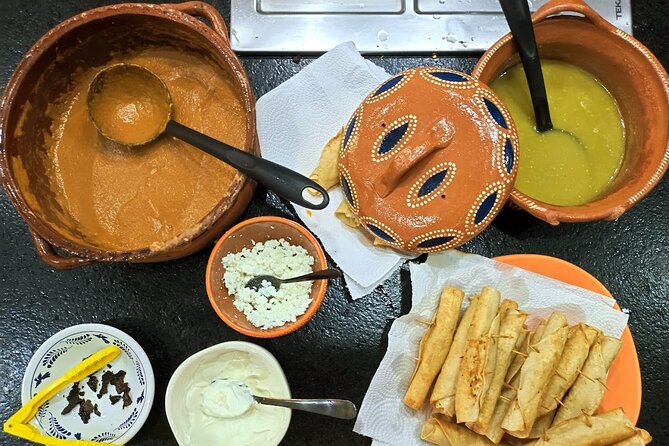
- Three to four dishes: Possible foods include guacamole, poblano soup, chiles rellenos, enchiladas, tacos, and flan.
- Chef Paola leads the class: Expect food preparation, cooking instruction, and a short lesson on Mexican food culture.
- Meal included: You eat the dishes you prepare, with soft drinks served during the class.
- Small-group format: The stated maximum is six people, which should give you more room to help and ask questions.
What this Mazatlan cooking class is really about
This is a food class with a cultural lesson built into it. You meet at 10:00 a.m. at Av del Tiburón 1825-depto 106 in El Encanto, then spend about three and a half hours preparing and eating Mexican dishes.
The class begins with context. Paola introduces the fresh ingredients and explains their place in Mexican cooking. That matters because dishes such as enchiladas, tacos, and chiles rellenos are not just fixed recipes. They shift by region, household, season, and available produce.
I especially like this approach for visitors who have already eaten plenty of Mexican food but want to understand it better. You learn why a chile matters, how a tortilla can serve several purposes, and how simple ingredients can produce very different results.
The class is conducted in English. You should expect instruction, conversation, preparation, cooking, and a sit-down meal, all in one visit. It is not a quick demonstration where you watch someone else do the work and then leave with a small tasting.
More cooking classes around Mazatlan:
- Cabo San Lucas Mexican Cooking Class Experience and Local Markets
★ 5.0 · 915 reviews - Puerto Vallarta Cooking Class Experience with Market Tour
★ 5.0 · 698 reviews - Authentic Mexican Legacy Cooking Class in Cabo San Lucas
★ 5.0 · 530 reviews
Arriving at Av del Tiburón
The meeting point is a residential address in El Encanto. It is described as easy to find, but one group had a little trouble locating the building before Paola met them outside. I would allow a few extra minutes, especially if you are unfamiliar with the area or arriving by taxi.
The activity begins and ends at the same address. No separate restaurant transfer or sightseeing stop is included, so this works best when you plan it as a focused food morning rather than part of a packed city tour.
The setting also gives the class a personal feel. Paola has welcomed people into her home for the lesson, which helps explain the dinner-party atmosphere reported by several participants. That can be a major plus if you enjoy meeting people over food. It may feel less polished than a commercial culinary school, but it is also more personal and connected to the host.
The listed maximum is six people. That is the right size for a practical class, since you can see the preparation area and take a turn with the ingredients. One earlier session had nine people and felt too tight, with more watching and less doing. For this experience, group size makes a real difference. If the small-group limit matters to you, confirm it when booking.
The opening lesson: ingredients, regions, and food traditions
Paola starts by showing the ingredients used that day. She talks about Mexican food traditions, regional cooking, and the background of the dishes. Her explanations can include details that you are unlikely to get from simply ordering the same food in a restaurant.
Past classes have covered the origins and production of ingredients, including spices, chiles, corn, and vanilla. You may also hear about the many ways a tortilla is used in Mexican cooking. These details give the practical work some context, without turning the morning into a formal lecture.
The menu is not fixed. It changes according to fresh, local ingredients, which is good news if you want food that reflects the season. It also means you should not book this expecting one guaranteed set of recipes. The sample dishes provide a useful idea of the style, not a promise of exactly what will appear on your table.
That changing menu is part of the value. Mexican cooking is not one single national style, and a flexible menu can show you more of its regional range. The tradeoff is predictability. If you have a strong allergy or dietary restriction, ask about the planned dishes before booking rather than assuming the sample menu will be served.
Making guacamole and preparing the first course
Guacamole is one possible starter. It uses fresh avocado with onion and cilantro, though some classes have included mango in the mixture. That sweet addition may surprise you if you know only the standard restaurant version, but it shows how a familiar dish can change from one kitchen to another.
The preparation gives you an early chance to help with chopping and mixing. You are not simply handed a bowl of guacamole as an appetizer. You take part in building the flavor, then eat it as part of the meal.
Another possible first course is poblano soup, made with poblano peppers and corn. This dish offers a different lesson in texture and chile flavor. Poblano peppers are generally valued for their earthy taste more than raw heat, and the combination with corn makes the soup a useful example of how Mexican cooking balances vegetables, chiles, and comforting textures.
The order of the dishes can change, but the basic rhythm is consistent: prepare ingredients, cook together, taste the results, and keep moving toward the final meal. Since you will eat what you make, come hungry. This is not a class built around tiny samples.
A few other Mazatlan days to price up
- La Paz World Class Snorkeling in Balandras Hidden Beaches
★ 5.0 · 582 reviews - Mexican Cooking Class with Food Market Visit in Mexico City
★ 5.0 · 506 reviews - Los Cabos Surf Lesson at Costa Azul
★ 5.0 · 398 reviews - Bean to Bar Chocolate Workshop in Puerto Vallarta
★ 5.0 · 381 reviews
Hand-pressed tortillas and the main dishes
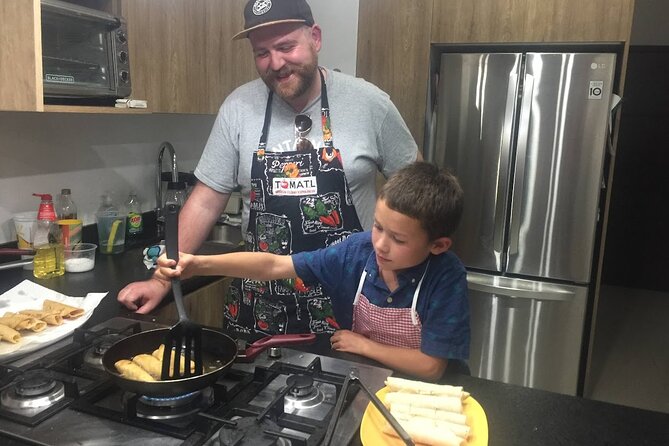
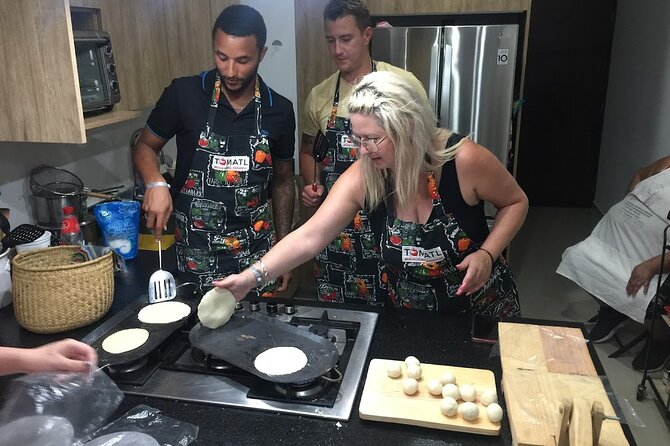
Tortilla making is one of the most memorable parts of the class. In some sessions, you mix or handle the corn dough, press your own tortillas, and cook them for tacos or another dish. The work looks simple, but producing an even tortilla takes practice.
That hands-on step gives you a better sense of Mexican home cooking than assembling store-bought shells. You feel the dough, learn how the tortilla is formed, and see how it becomes part of the meal. One class focused on four taco recipes from different regions, while another centered on tacos and the process of making the tortillas themselves.
Tacos are not one set recipe here. Depending on the menu, you might make stews to fill the tortillas or prepare fillings with vegetables and cheese. A class can also include less familiar ingredients, such as huitlacoche, a corn fungus used in Mexican cooking. For an adventurous eater, that kind of ingredient is a welcome change from the usual tourist menu.
Possible main dishes include chiles rellenos, poblano peppers stuffed with cheese and topped with sauce, and enchiladas filled with vegetables and cheese. These recipes let you compare several ways of treating the same basic building blocks: tortillas, peppers, cheese, sauce, and vegetables.
Some sessions have focused on chiles, while others have included asado de plaza, a dish whose name comes with its own story. That is an important strength of Paola’s teaching. She does not treat recipes as isolated instructions. She connects a dish to language, place, custom, or the way people eat it.
The amount of hands-on work may vary with the menu and group size. With six people or fewer, you have a better chance to chop, press, stir, and assemble. With a crowded group, you may spend more time watching Paola demonstrate. That is the clearest practical reason to pay attention to the advertised group limit.
Sitting down to eat what you prepared
Once the cooking is finished, you sit down and eat the dishes from the class. Soft drinks are included, and the meal can amount to a substantial lunch even though the class starts in the morning.
I see this meal as more than a perk. Eating at the end lets you judge the result of your own work and understand how the individual parts fit together. A tortilla that seemed difficult to shape becomes part of a taco. A sauce you prepared earlier changes the character of a stuffed pepper or enchilada.
The food has been a consistent highlight of this experience. People have singled out the tacos, soup, guacamole, and chile-based dishes, with one especially enthusiastic assessment calling it the best food of a Mazatlan visit. I would not treat that as a guarantee, since tastes and menus vary, but the format gives you a fresh meal made during the class rather than a generic lunch arranged in advance.
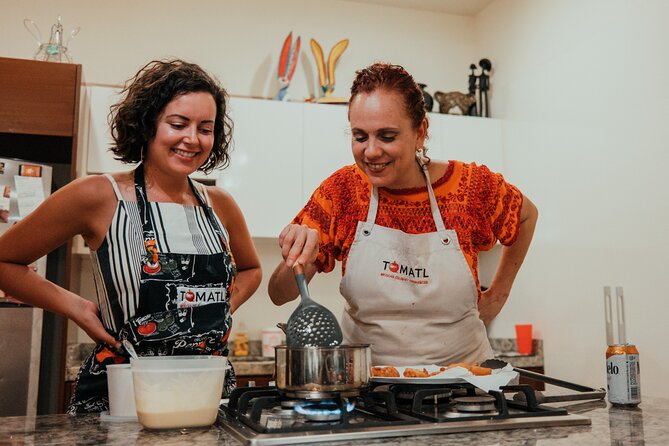
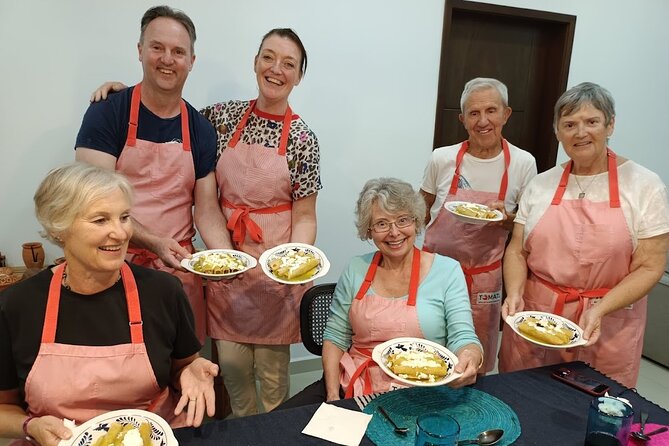
The social side matters too. The small setting encourages conversation among people who may have arrived as strangers. Several groups found the class felt like being invited to a friend’s dinner party. Couples, families, and friends can all fit comfortably into the format, and a teenager enjoyed it enough for the class to become a family trip highlight.
Recipes by email and what you take home
You receive digital copies of the recipes by email after the class. This is a useful benefit because the menu can include dishes you may not know how to recreate from memory.
I recommend taking notes during the preparation anyway, especially if Paola explains substitutions, techniques, or ingredient background that may not appear in the written recipe. The digital file gives you a practical starting point, while your own notes can capture the small adjustments that make the dish work in your kitchen.
The recipes also make the $95.59 price easier to assess. You are paying for about three and a half hours of instruction, ingredients, three to four dishes, soft drinks, and a full meal. You also receive an ongoing reference rather than a one-time tasting.
That price is not the cheapest way to have lunch in Mazatlan. If you only want to eat Mexican food, a restaurant will cost less. If you want instruction, a cultural explanation, a social setting, and enough food to replace a meal, the cost is more reasonable. The value depends on whether you will use what you learn after returning home.
Who will get the most from the class
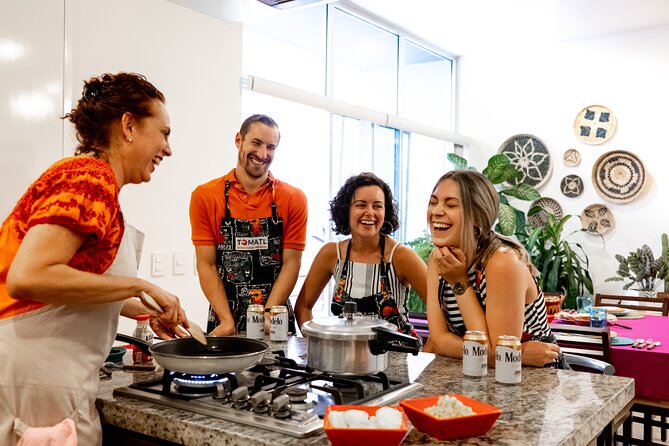
I would choose this class if you like to work with your hands and want food knowledge you can carry home. It suits curious cooks, couples, families, and friends who enjoy sharing tasks rather than sitting silently through a demonstration.
It is also a good choice for vegetarians. A vegetarian participant found enough suitable food to enjoy the class, and the sample dishes include vegetable and cheese fillings. Still, because the menu changes, you should confirm your needs before booking.
Families should note that a 13-year-old enjoyed the class, but the experience is still a cooking lesson lasting several hours. Children who like preparing food will have more fun than children who only want to eat.
Paola has also accommodated disability needs during a class. Since the class takes place at a specific residential meeting point and involves a working preparation area, I would ask about your exact requirements in advance.
I would be less likely to choose it if you need a guaranteed menu, dislike group activities, or want a class held in a large professional kitchen. This is personal and home-based, with the advantages and limits that come with that style.
Timing, booking, and cancellation details
The class starts at 10:00 a.m. and lasts approximately three hours and thirty minutes. Since you eat the food you prepare, breakfast should be light. Arrive with enough time to find the building without rushing.
The activity is offered in English and uses a mobile ticket. Confirmation is received at booking. It is often reserved well ahead of time, with bookings averaging about 32 days before the date, so I would not leave it until the last morning of a short Mazatlan stay.
The experience requires good weather and a minimum number of participants. If the host cancels for either reason, you are offered another date or experience, or a full refund. You can cancel for a full refund up to 24 hours before the start time. Cancellations or changes made inside that 24-hour window are not refunded or accepted.
Should you book this Mazatlan cooking class?
Book it if you want a personal, food-focused morning with real preparation, regional context, and a meal at the end. The strongest reasons are the tortilla work, Paola’s clear interest in Mexican food traditions, the changing fresh-ingredient menu, and the recipes sent to your email.
Before paying, check the expected group size and mention dietary or accessibility needs. Also remember that the menu is flexible. If you are happy to discover what is fresh that day, this is part of the charm. If you need a specific dish or a quiet, highly structured kitchen lesson, choose a different format.
For most people who enjoy cooking, I consider the $95.59 fee fair for the amount of food, teaching, and time involved. You leave with a full meal, new techniques, and recipes that can bring a small piece of Mazatlan back to your own kitchen.
FAQ
Where does the cooking class start?
The class starts at Av del Tiburón 1825-depto 106, El Encanto, 82100 Mazatlán, Sinaloa, Mexico.
What time does the class begin?
The start time is 10:00 a.m.
How long does the experience last?
The cooking class lasts approximately three hours and thirty minutes.
What language is the class offered in?
The class is offered in English.
How many people can join the class?
The stated maximum is six participants.
What food might be prepared?
Possible dishes include guacamole, tacos with handmade tortillas, flan, poblano soup, chiles rellenos, and enchiladas. The menu changes according to fresh local ingredients.
Is food included?
Yes. You prepare three to four dishes, eat what you cook, and receive soft drinks during the class.
Do I receive the recipes?
Yes. Digital recipes are sent to you by email.
Can I cancel for a refund?
Yes. You can cancel at least 24 hours before the start time for a full refund. Changes or cancellations made less than 24 hours before the start time are not accepted or refunded.
New on the Mazatlan list
- Mazatlan Sightseeing and Shopping Tour★ 4.5 · 62 reviews
- Gran Acuario Mazatlan★ 4.6 · 65 reviews
- Mazatlan routes of taste food tour★ 5.0 · 67 reviews
- Private Airport-Hotel Transfer★ 5.0 · 69 reviews
- Stone Island Beach Getaway★ 4.0 · 84 reviews
- Private Van and Bilingual Local Driver★ 5.0 · 88 reviews
- Jungle and beach ATV tour + lunch + tequila tasting★ 4.5 · 94 reviews
- Mazatlan: City Tour in a Traditional “Pulmonia” Open-Air Car★ 4.6 · 97 reviews
Mazatlan Tours, compared.


Mazatlan City Sightseeing Tour with Shopping Time and Lunch
Read our review →
Mazatlan Sightseeing and Beach Activities All Inclusive
Read our review →
Half-Day Tour to Tequila Factory and Villages from Mazatlan
Read our review →

Browse the lists this tour appears in