
Reviewed · OAXACA CITY TOURS
Cacao, Chocolate Experience in Oaxaca for Small Groups
Oaxaca’s chocolate story is much bigger than a cup of sweet hot cocoa. In this small-group tasting, you work through 15 to 20 cacao and chocolate preparations, including natural cocoa, regional varieties, nibs, bars, drinking chocolate, and versions made with alternative sugars. You also get to adjust a chocolate drink to your taste.
I like the maximum group size of six, which gives the session a friendly, almost private feel. I also like the clear link between flavor and place: you learn about cacao’s role in Oaxaca, where it comes from, and how fermentation and processing change what reaches your cup. The one caution is value. At $80.65 per person, this is a serious price for a two-hour tasting, and one part of the session may feel too talk-heavy if you want a hands-on cooking class.
Key points at a glance
- Taste cacao in many forms: Try raw and natural cacao, nibs, powders, bars, drinks, and chocolate made with different levels of sugar.
- Small group, personal pace: The session takes no more than six people, so questions and individual preferences can shape the discussion.
- Learn the Oaxacan connection: Your guide explains cacao’s cultural role, local production, varieties, fermentation, and refining.
- Make a drink your way: Tastings can include hot or cold chocolate prepared with water or milk, with room to adjust the flavor.
- A family-friendly stop: Children have taken part in mixing and tasting, and the hosts are patient with younger participants.
- Plan for a light snack: The included cocoa toast is made with sourdough and organic ingredients, followed by a house drink.
What happens during the two-hour cacao session
The experience begins at 5 de Mayo 210, in Oaxaca’s Centro district along the Ruta Independencia. You return to the same spot at the end, so you do not need to arrange transport between several stops.
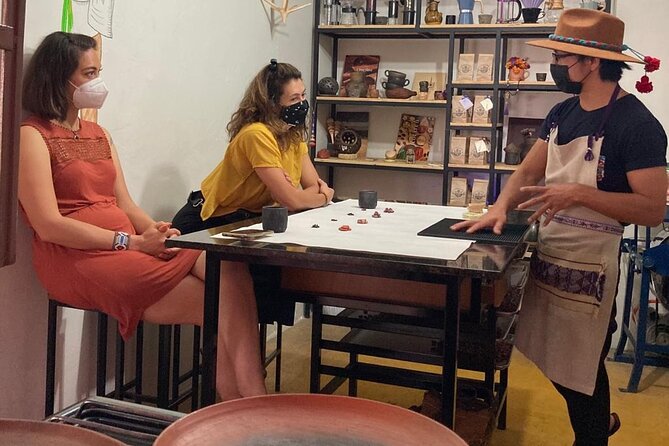
This is not a market walk or a visit to a cacao farm. It is a seated tasting and teaching session in a pleasant studio or shop setting. That focus works well if you want a clear explanation of cacao without spending half a day moving around town.
The session starts with the raw material. You learn to distinguish cacao at different stages and in different forms, then taste as the guide explains what you are noticing. The stated range runs from pure cocoa with 0 percent sugar to more traditional chocolate preparations. That range matters because it lets you compare the bitter, earthy side of cacao with the smoother, sweeter style most people already know.
You may taste natural cacao, cacao connected to the region, nibs, powder, bars, and drinking chocolate. Past sessions have included chocolate prepared with water and milk, served hot and cold. The exact order and selection can vary, but the point is consistent: you are not given one polished chocolate sample and sent on your way. You move through a broad set of preparations and see how ingredients and technique alter the result.
A few other Oaxaca City days to price up
- Finca 18 Puerto Vallarta Tequila Tour + Chocolate Pairing
★ 5.0 · 393 reviews - Bean to Bar Chocolate Workshop in Puerto Vallarta
★ 5.0 · 381 reviews - Chocolate Tour in Vallarta
★ 5.0 · 226 reviews
From cacao bean to finished chocolate
The best reason to book this experience is the connection between tasting and process. A bitter nib can seem very different from a sweet bar, but the guide explains why. Fermentation, drying, roasting, refining, added sugar, and the choice of liquid all affect aroma, texture, and strength.
You also hear about traceability, meaning where the cacao comes from and how it reaches the finished product. That makes the tasting more useful than a simple list of flavors. You can begin to ask better questions when buying chocolate in Oaxaca: Which cacao was used? How much sugar was added? Is the flavor coming from the bean, the preparation, or extra ingredients?
Several hosts have led this session, including Lucy, Martín, Azo, Azomalli, Elvia, Ruth, and Diego. The guides have different personalities, but the experience depends heavily on the person leading your group. Lucy has been praised for her patient explanations and local history. Martín has guided detailed tastings of nibs and drinking chocolate. Elvia has explained bean types, fermentation, and refining in clear terms. Ruth has worked especially well with young children, while Azomalli has been noted for her warm, engaging teaching style.
The language offered is English, an important point in Oaxaca, where food experiences may otherwise move between English and Spanish. The guides have been able to answer detailed questions in English, and one host even welcomed a visitor practicing basic Spanish. If you want a technical conversation about cacao, ask questions as you go. The small group makes that possible.
Why the tasting works for chocolate lovers
The tasting is broad enough to keep a chocolate fan interested. You might begin with cacao in a less processed form, then move toward bars and drinking chocolate. That progression gives you a useful contrast between cacao’s natural bitterness and the sweeter, more familiar forms.
The unusual part is not simply the number of samples. It is the range of ways they are prepared. A powder, a nib, a bar, and a drink can all come from the same basic ingredient, yet they give you very different textures and aromas. Alternative sugars add another comparison, especially if you normally find standard chocolate too sweet.
Some sessions have included chili cacao powder and other distinctive products available for purchase afterward. The selection gives you a chance to take home something less ordinary than a standard souvenir bar. The experience does not require you to buy anything, but if you find a preparation you like, this is a practical time to ask about it.
The guides also bring in Oaxacan customs and food traditions. Hot chocolate is not treated as a generic café drink. It is presented as part of the region’s food culture, alongside the story of cacao production and use. That local focus gives the tasting a stronger sense of place than a chocolate workshop built around imported brands.
Making and drinking your own chocolate
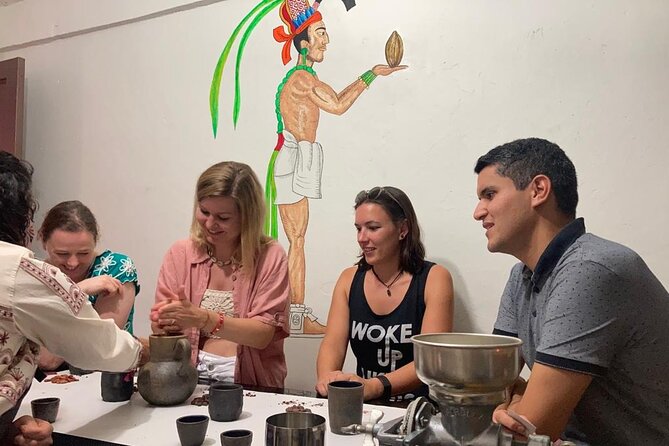
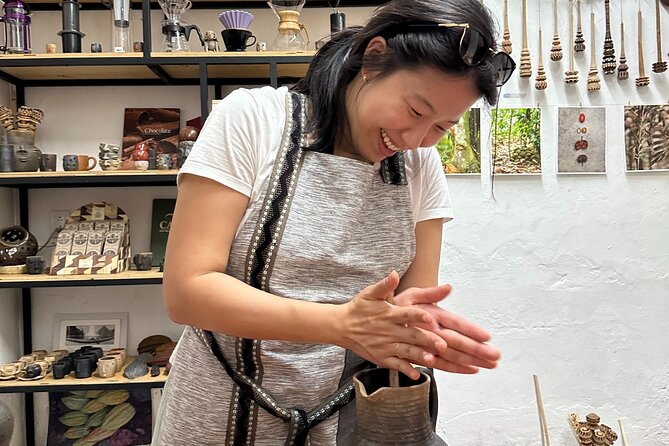
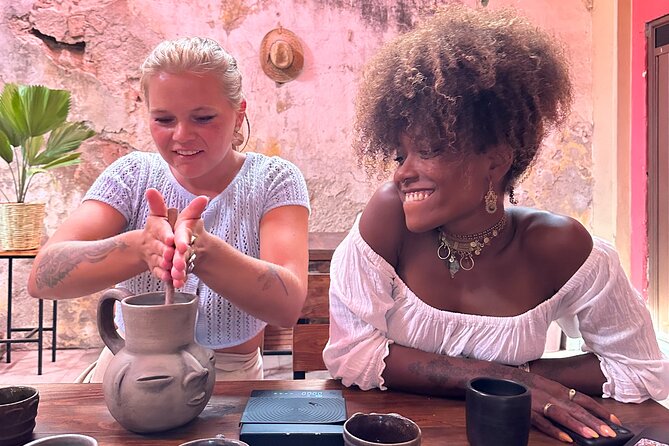
This is partly a tasting and partly a hands-on session. You may mix ingredients and adjust your chocolate drink to suit your own preference. Past sessions have included hot chocolate made with water or milk, and some groups have tasted both hot and cold versions.
That flexibility is useful for families and for people who do not all like chocolate in the same way. One person can prefer a stronger, less sweet mixture while another chooses a softer, milk-based drink. The activity is interactive without requiring a full cooking lesson.
Be clear about the format before booking. You are not promised a complete recipe class in which you make molded bars from start to finish. The supplied details focus on tasting different presentations, learning about cacao, and making or adjusting chocolate drinks. If your main goal is to produce chocolates to carry home, a separate private class may suit you better.
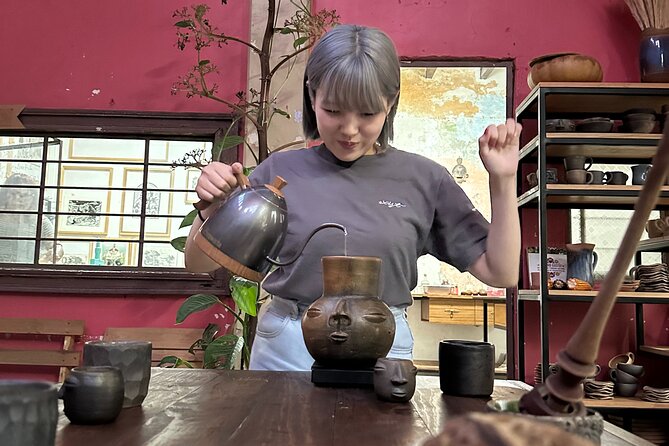
The drink is also part of the finish. After the main tasting and a short pause, you receive a house beverage made with cacao. Some sessions have ended with extra touches, such as a toast with strawberries or an Oaxacan-style affogato. These additions are not guaranteed as a fixed menu, so treat the cocoa toast and house drink as the dependable elements.
Same stretch of coast, a very different day:
- Hierve el Agua, Tule Tree, Mitla and Mezcal Distillery Tour
★ 4.5 · 1,094 reviews - Explore Hierve el Agua, Mitla, Tule, Textile and Mezcal for a day
★ 5.0 · 1,043 reviews - Monte Alban Guided Half Day Tour
★ 5.0 · 880 reviews - From Oaxaca de Juarez: Hierve el Agua and Mezcal Distillery
★ 4.9 · 615 reviews
The cocoa toast and final snack
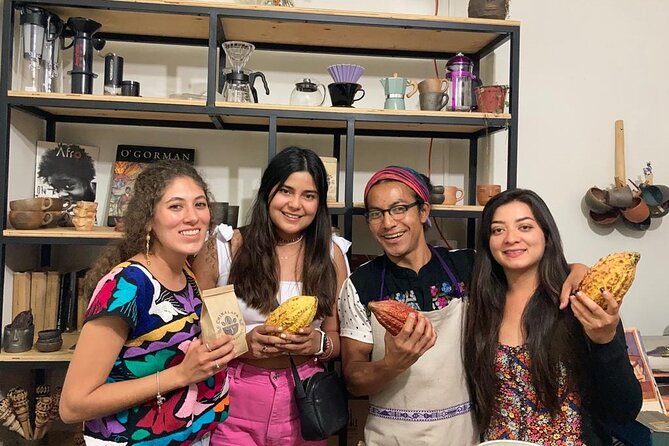
The listed food is a cocoa toast made with sourdough bread and organic ingredients. It gives you a short break from tasting and helps make the two-hour session feel like a small food workshop rather than a series of tiny samples.
The snack is also the main limitation for anyone expecting a meal. One person found the final snack too modest for the price. I would plan to eat beforehand or schedule a meal afterward, especially if you are booking this near lunchtime or at dinner time.
The toast is a thoughtful addition for a tasting, but it should not be counted as a substantial lunch. The final house drink is another pleasant close, yet the food portion remains light. If you have dietary needs, ask about the current ingredients before arriving. The experience is described as suitable for vegans, but the exact preparation of every sample is not specified.
A good choice for families and mixed groups
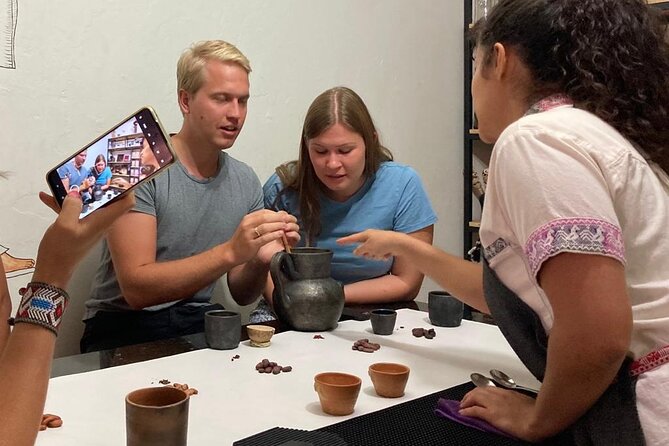
This activity has worked especially well for families. Children have enjoyed mixing, tasting, and taking part in the hands-on sections. A five-year-old reportedly enjoyed the class enough to ask to return, and teenagers have also taken part successfully.
The small group helps here. A six-person limit means the guide can slow down, answer a child’s question, or let younger participants help with mixing. That is much easier than in a large demonstration where children only watch from the back.
Still, the session includes explanations of cacao’s origins, processing, culture, and science. Very young children may not follow every part. Families should expect a balance of tasting, listening, and participation, not two straight hours of games.
Vegans and people who do not drink alcohol also have a clear reason to consider it. The menu is based on cacao, chocolate, toast, and house drinks, and the experience is presented as suitable for vegan participants. However, the supplied information does not give a complete ingredient list, so you should confirm details if you have an allergy or strict dietary requirement.
The setting and group size make a difference
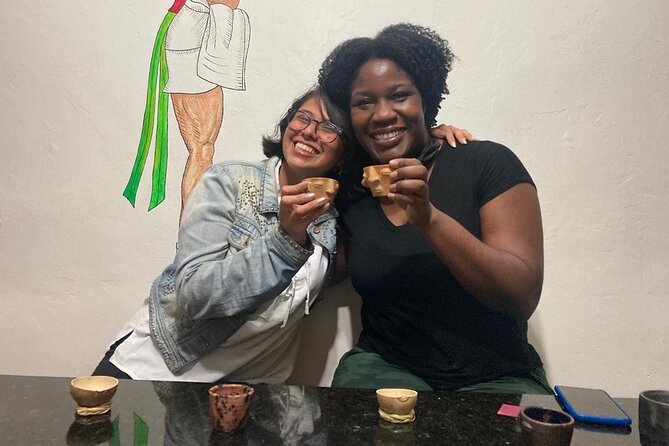
The space has been described as beautiful, peaceful, and filled with pottery and cacao products. The setting is part of the appeal. You are not sitting in a crowded restaurant while a guide rushes through a script. The atmosphere supports conversation and close attention to the samples.
A group of six is the advertised maximum, and sometimes the number is smaller. If you are the only person booked, the session may feel almost private. That can be a real advantage if you want to ask about cacao varieties, local customs, or the differences between water-based and milk-based chocolate.
The trade-off is that a quiet, seated format can feel slow if you prefer constant movement. One lower rating described the talk as long and somewhat boring, with the group staying in one place. I would book this for its explanations and tasting, not for sightseeing or physical activity.
The meeting point in Centro also makes it easy to fit into a day of exploring Oaxaca City. You can walk there from nearby central sights or use public transportation in the area. The activity ends where it starts, which keeps the logistics simple.
Is $80.65 a fair price?
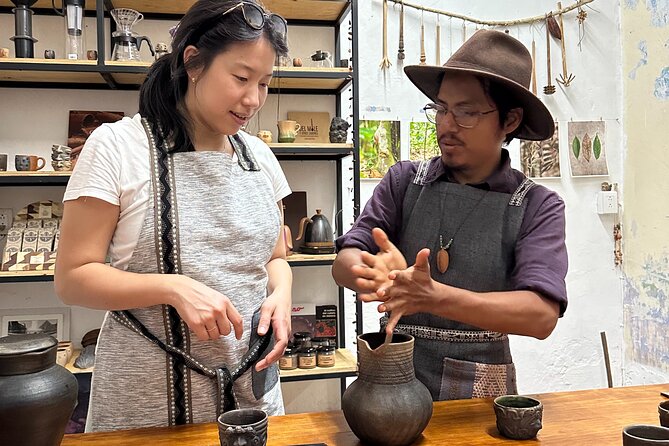
At $80.65 per person, this is not a casual stop for a quick cup of chocolate. The price makes more sense if you value three things: a very small group, a guided comparison of many cacao preparations, and cultural context that you would not get from buying a bar in a shop.
You are paying for about two hours of teaching, 15 to 20 tastings, a light cocoa snack, and a house drink. You also get access to hosts who can explain cacao varieties, fermentation, refining, regional customs, and drinking chocolate. For a serious chocolate fan, that package can be worthwhile.
For a family of four, the total rises quickly. In that case, I would ask whether everyone in your group enjoys tasting bitter and unsweetened cacao. Children who like mixing and sampling may have a great time, but a child who wants a large sweet treat could find the experience less satisfying.
The experience offers group discounts, though the available rate depends on how you book. It is also commonly reserved about 16 days ahead, so advance planning is sensible during a busy Oaxaca visit. The high rating, 4.9 out of 5 from 92 ratings, suggests strong overall satisfaction, but the price concern is still valid. If you want a brief introduction, this may feel costly. If you want a focused lesson with a wide tasting range, the value is easier to see.
Practical details before you book
The experience is offered in English and accepts mobile tickets. Confirmation arrives at booking. The maximum group size is six, and service animals are allowed.
You should allow about two hours, with a short break built into the session. Since the activity begins and ends at 5 de Mayo 210, it is easy to place before dinner or after another central Oaxaca activity. I would avoid scheduling it too close to an important reservation, since tasting and conversation can make the ending feel less rushed.
Free cancellation is available up to 24 hours before the start time for a full refund. Cancellations made less than 24 hours ahead are not refunded, and changes inside that window are not accepted. The cut-off follows local Oaxaca time.
There is also a separate private class focused on making chocolate with Oaxacan tradition, particularly worth considering if your children want more active preparation. The cacao tasting reviewed here is better for comparing many forms of cacao and learning how they connect to Oaxacan culture.
Who should book this experience?
I would choose this for a couple, a solo visitor, or a small family that likes food with a story. It suits anyone who wants to understand why cacao tastes different across beans, sugar levels, processing methods, and drinks.
It is also a good rainy-day plan and a useful addition to a longer Oaxaca itinerary. You can learn enough here to make better choices at chocolate shops, markets, and cafés afterward. The English-language format and patient hosts make it accessible even if your Spanish is limited.
I would skip it if you want a full meal, a farm visit, a walking tour, or a quick demonstration with little talk. The price is high for a snack-sized food activity, and the experience stays in one place. You need to enjoy listening as much as tasting.
Should you book Chimalapa Cacao?
Book it if you want a small, thoughtful cacao lesson with many samples, local context, and a chance to shape your own drink. The strongest parts are the range of tastings, the six-person limit, and the hosts’ clear enthusiasm for Oaxaca and cacao.
Think twice if your priority is quantity, a substantial dessert, or hands-on candy making from start to finish. For the right audience, $80.65 buys a useful and memorable look at cacao culture. For a casual chocolate craving, a café and a good bar will cost far less.
FAQ
Where does the cacao experience take place?
It begins and ends at 5 de Mayo 210, Ruta Independencia, Centro, 68000 Oaxaca de Juárez, Oaxaca, Mexico.
How long does the experience last?
The session lasts approximately two hours.
How many people can join?
The activity has a maximum of six participants.
Is the experience offered in English?
Yes. The experience is offered in English.
What will I taste?
You may taste 15 to 20 cacao and chocolate presentations, including natural cacao, regional cacao, nibs, powders, bars, drinking chocolate, and preparations with alternative sugars.
Will I try unsweetened cacao?
Yes. The tasting range includes pure cocoa with 0 percent sugar, along with more traditional chocolate preparations.
Is a snack included?
Yes. The listed main food is cocoa toast made with sourdough bread and organic ingredients. A house drink is also provided at the end.
Is this experience suitable for vegans?
It is described as suitable for vegans. If you have an allergy or strict dietary need, confirm the current ingredients before booking because a full ingredient list is not provided.
Are children allowed?
Yes. The experience is described as suitable for families, and children have taken part in tasting and mixing activities.
What is the cancellation policy?
You can cancel at least 24 hours before the start time for a full refund. Cancellations or changes made less than 24 hours before the start time are not accepted for a refund.
New on the Oaxaca City list
- Private Historic City Tour + Street Food of Oaxaca – Best Rated★ 5.0 · 53 reviews
- Street Art Tour With An Artist in Oaxaca★ 5.0 · 54 reviews
- Private and safe transfer from the airport to the hotel in Oaxaca★ 4.5 · 58 reviews
- Paint your Alebrije with the Jimenez family.★ 5.0 · 66 reviews
- Hierve el Agua Half Day trip in the morning★ 5.0 · 66 reviews
- Tour Boil the “classic” water★ 4.5 · 67 reviews
- Tradicional Mezcal Experience in Oaxaca-Visit a Family Distillery★ 5.0 · 67 reviews
- Mezcal & Mole by a Certified Sommelier★ 5.0 · 70 reviews
Oaxaca City Tours, compared.
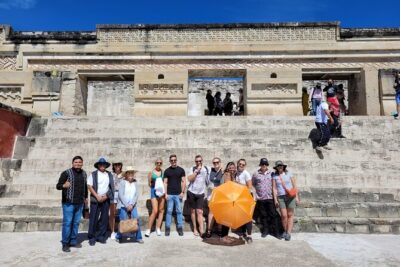
Hierve el Agua, Tule Tree, Mitla and Mezcal Distillery Tour
Read our review →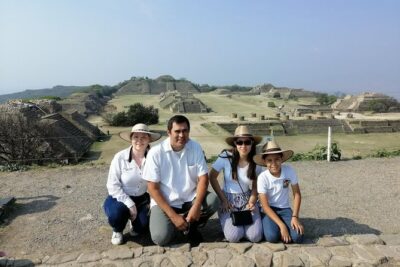
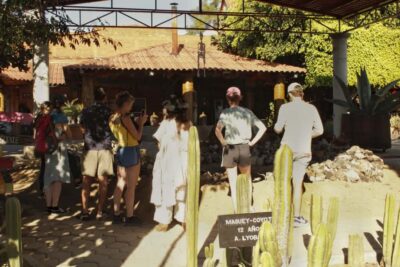
AUTHENTIC OAXACA CULTURAL FOOD TOUR, eat like a local.
Read our review →
Browse the lists this tour appears in