
Reviewed · MEXICO CITY TOURS
From Mexico City: Cholula Pyramid & Puebla Small Group Tour
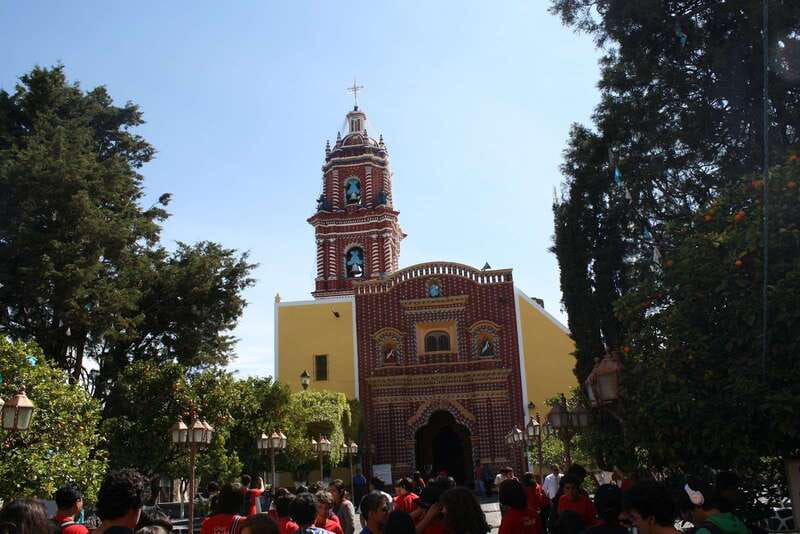
Cholula’s Great Pyramid is the surprise star of this day trip. It is not just an ancient mound with a church on top: beneath the hill lies a major archaeological site, while the Church of Our Lady of Remedies crowns the summit. I like that the tour pairs this famous stop with Santa María Tonantzintla, where Indigenous images appear inside a Catholic church, and with Puebla’s grand cathedral and Rosario Chapel.
I also like the mix of major sights and smaller churches, plus the chance to walk Calle de los Dulces before returning to Mexico City. The main caution is the pace. This is a long, full day with plenty of walking, stairs at Cholula, and several stops, so it may be too much for some seniors or anyone who prefers a slow outing.
Key points to know before booking
- Cholula combines archaeology and religion: Explore the pyramid site and museum, then climb to the church built on top.
- Tonantzintla tells a Mexican story in carved stucco: Indigenous people, Catholic saints, angels, and Tlaloc appear together in the decoration.
- Puebla brings grand colonial architecture: See the five-nave cathedral, its octagonal central altar, and Mexico’s largest bell towers.
- The group is limited to 15 people: You travel by included transport with a bilingual English- or Spanish-speaking guide.
- The route is active: There is no elevator at the pyramid, and the 10-hour schedule leaves little room for lingering.
- The guiding team is a real strength: Guides including Javier, Alberto, Francisco, and Ulyssess have been singled out for care, organization, clear explanations, and safe driving.
Why Cholula makes a strong first stop
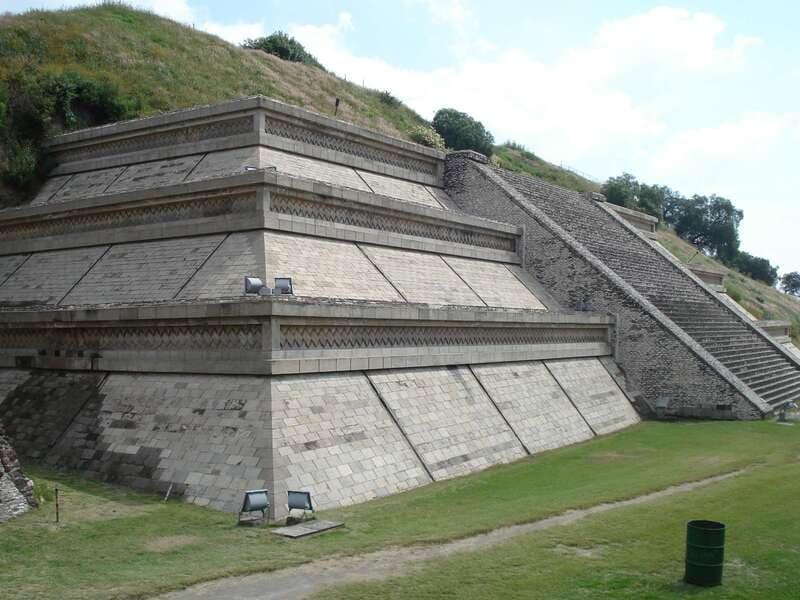
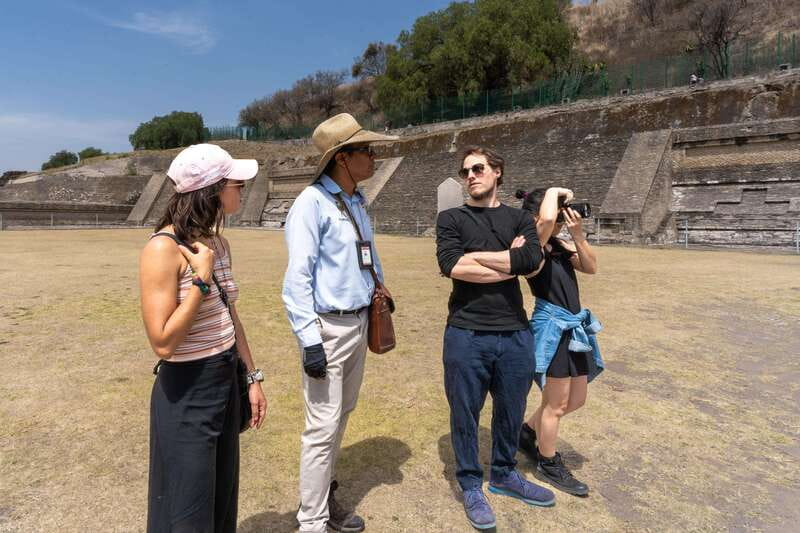
The day begins at Cholula, one of the most rewarding stops outside Mexico City. The Great Pyramid is famous for its size, but its appearance can fool you. Much of the structure is covered by earth and vegetation, so it first looks like a broad hill rather than the sharp stone pyramid many people expect.
At the archaeological site, your local Cholula guide explains what you are seeing before you move on to the museum. That arrangement matters. Without context, the pyramid can be hard to read. With a guide, the layers, remains, and scale of the site become easier to understand.
You also visit the Museum of Cholula, included in the tour. This gives you a useful indoor stop and helps connect the excavated remains with the wider story of the site. Alberto has guided this portion for many groups, and he has earned particular praise for making the pyramid visit clear and engaging.
The physical side deserves honest attention. You must climb toward the Church of Our Lady of Remedies, which sits at the top of the pyramid. There is no elevator, so you should be comfortable with stairs and an uphill walk. The height is not the only issue: the stone paths and the overall time on your feet can make this an intense opening to the day.
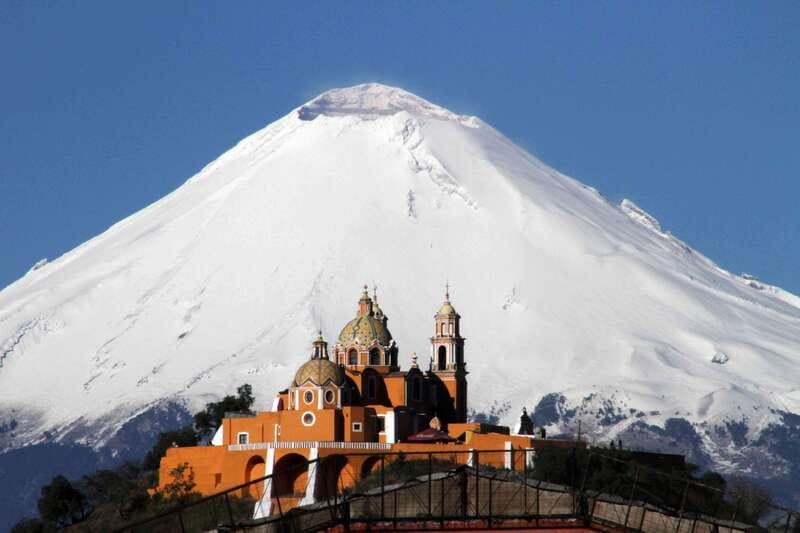
At the summit, the church gives the site its most striking visual contrast. An older Indigenous ceremonial center lies below, while a Catholic church occupies the summit. You get both a place of worship and a reminder of how later religious buildings were often placed on important pre-Hispanic sites.
The views are another reason to make the climb. The route description points to the volcanoes Popocatépetl and Iztaccíhuatl, which frame the area when conditions allow. Since mountain visibility can change, do not treat the volcano view as guaranteed, but the setting still gives Cholula a memorable sense of place.
More City Tours in Mexico City
- Mexico City: Teotihuacan, Tlatelolco & Guadalupe Shrine Tour
★ 4.6 · 3,773 reviews - Teotihuacan Hot Air Balloon Flight from Mexico City / Volare
★ 5.0 · 3,262 reviews - Teotihuacan Private Tour from Mexico City
★ 5.0 · 1,890 reviews
Santa María Tonantzintla and the meeting of two traditions
After Cholula, the tour visits Santa María Tonantzintla. This church is smaller in scale than Puebla Cathedral, but it may leave a stronger impression if you enjoy unusual interiors.
The decoration brings Indigenous motifs and Catholic imagery into the same space. Your guide explains how local Indigenous people wanted to represent Tlaloc, the god of rain, in the dome of the sky chapel. The result is not a plain European church interior. It reflects a local way of understanding Catholic subjects through Indigenous symbols and artistic ideas.
Look closely at the carved faces. They are not all angels. The explanation given here is that each small face represents an Indigenous person who died and was reincarnated in the sky. That detail gives the church a personal and local meaning that you can miss if you simply step inside, take a quick photo, and leave.
This is where a bilingual guide adds real value. The art is crowded and easy to misread, particularly if you do not know the story behind the faces, figures, and ceiling decoration. The visit is less about admiring a pretty church and more about understanding how communities expressed identity through religious art.
Photography, time inside, and access conditions can vary, so follow your guide’s instructions. The visit is brief compared with the time spent in Puebla, but it gives the day a cultural edge that a standard colonial-city tour would not have.
San Francisco Acatepec and the appeal of a short stop
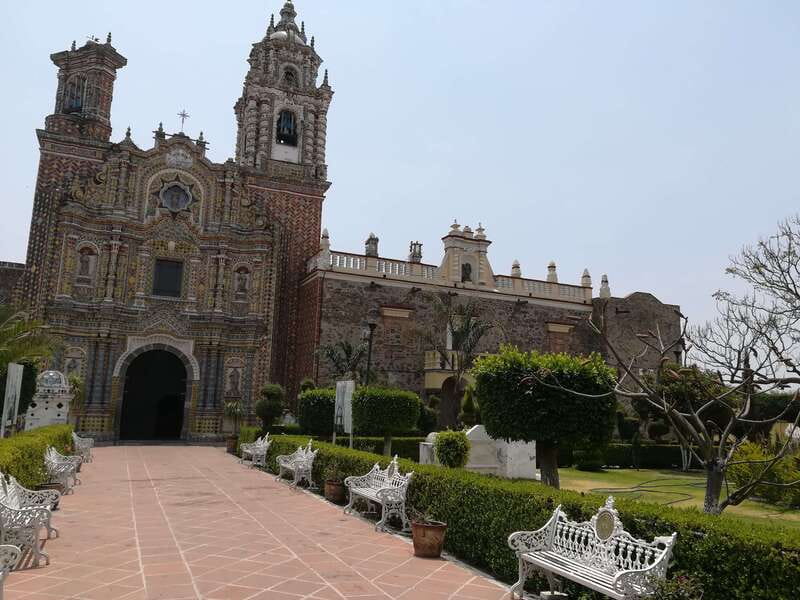
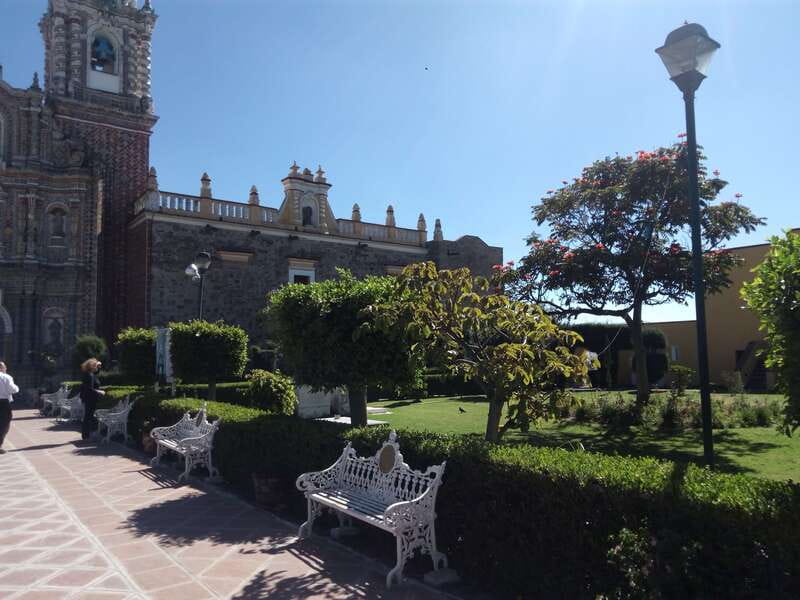
The next church is San Francisco Acatepec, described as a beautiful and unforgettable building. The supplied details do not specify every feature you will see inside or outside, so it is best to think of this as a focused architectural stop rather than a long guided museum visit.
Its place in the route works well. After the archaeological site and Tonantzintla’s elaborate interior, Acatepec adds another example of the area’s religious architecture before you reach Puebla. The sequence shows that the region is not defined by one famous city alone.
You should also keep your expectations practical. The itinerary contains several stops, and the day must still reach Puebla and return to Mexico City by about 6 PM. You may have enough time for a careful look and photographs, but not the freedom to explore each church at your own pace.
Puebla de los Ángeles, a city built for walking and looking up
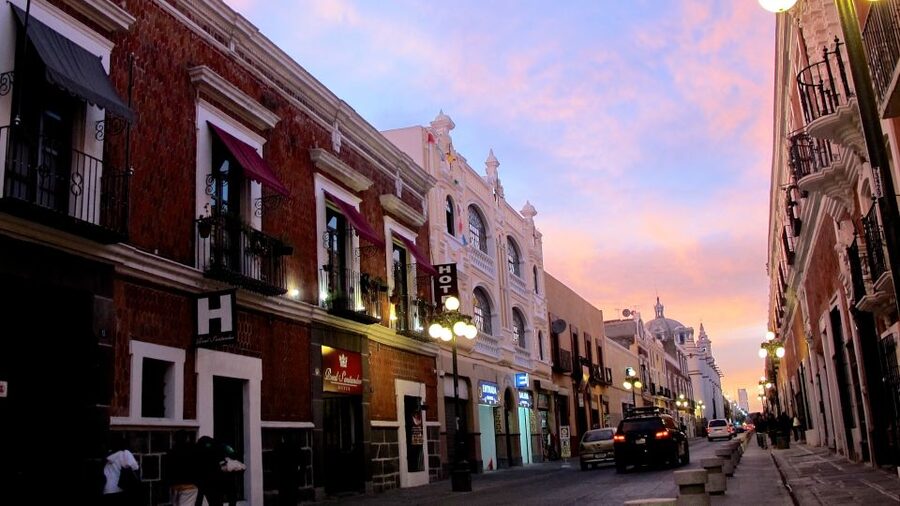
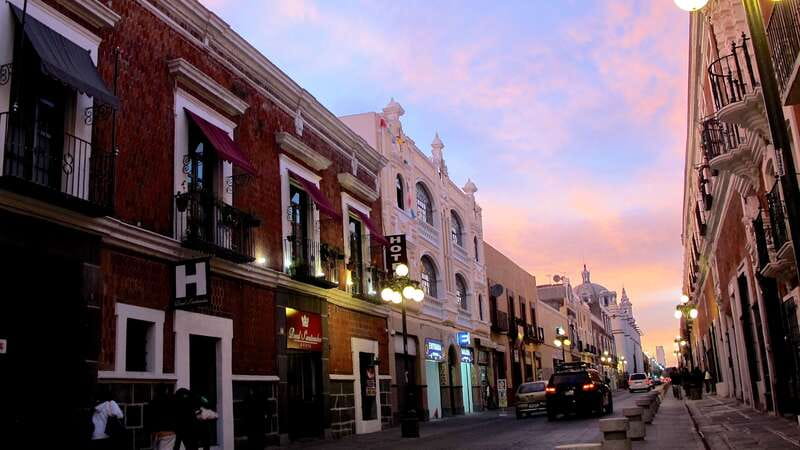
Puebla is the largest part of the afternoon and the place where the tour shifts from ancient sites and village churches to a major colonial center. The city is known for its cultural heritage and its grand buildings, so this portion gives you a broad introduction rather than a deep visit to every museum or neighborhood.
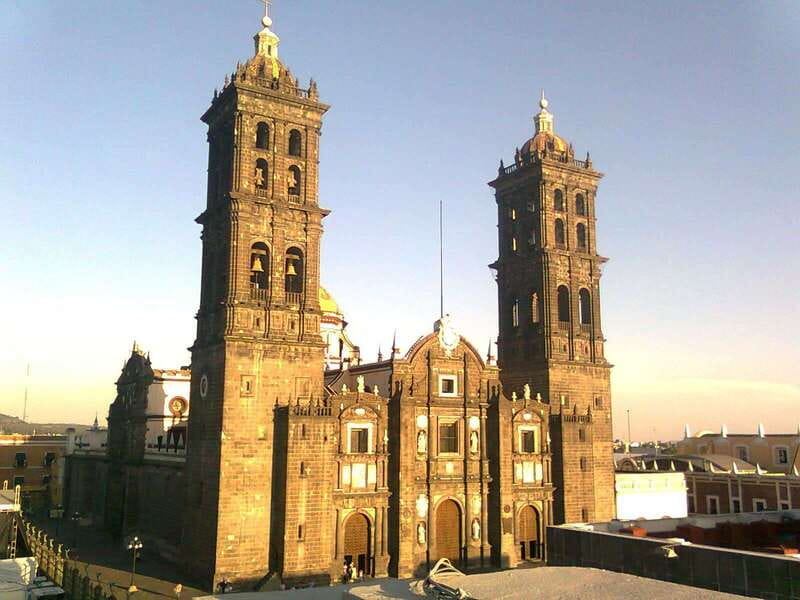
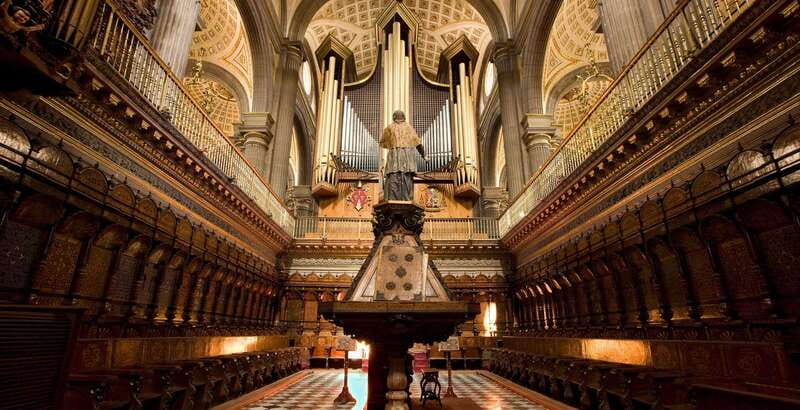
Start with Puebla Cathedral. Its floor plan is cross-shaped and contains five naves. That layout can be difficult to grasp from a quick glance, but the guide points out the design: the central altar is octagonal, while the other four altars face the compass points.
Look up at the bell towers, which are described as the largest in Mexico. This is a good example of why a guided walk helps. A casual visitor sees a handsome cathedral; a guide gives you specific features to notice and a reason to pause.
Puebla’s buildings are one of the day’s strongest visual rewards. The tour lets you see the city as more than a quick lunch stop or a backdrop for photographs. You get a guided look at its religious architecture and colonial streets, with the volcanoes providing a dramatic setting beyond the city.
The tradeoff is time. A 10-hour excursion from Mexico City must account for the road, the stops outside Puebla, and the return journey. You will see important highlights, but you should not expect a leisurely, unplanned afternoon of shopping and café sitting.
A few other Mexico City days to price up
- Mexico City: Teotihuacan Early or Afternoon Access Tour
★ 4.6 · 1,547 reviews - Historic Center Food Tour in Mexico City
★ 5.0 · 1,263 reviews - The best tour to Teotihuacán from Mexico City
★ 5.0 · 1,236 reviews - From Mexico City: Puebla, Cholula and Tonantzintla Day Trip
★ 4.3 · 1,191 reviews
Rosario Chapel, if it is open during your visit
The route includes the famous Capilla del Rosario, or Rosario Chapel, if available. That condition is important. Access is not presented as guaranteed, so treat the chapel as a possible highlight rather than the one thing on which you base your booking.
Inside, you see a statue of the Virgin of the Rosary surrounded by saints, angels, and martyrs. The chapel was once considered one of the eight wonders of the world, a claim that signals its reputation and ornate decoration.
If the chapel is open, take your time looking upward and around the walls. This is the kind of interior that can blur into a mass of detail unless you pause and let your guide point out the main elements. If access is not available, the tour still includes Puebla Cathedral and the city walk, but the afternoon will lose one of its most celebrated interiors.
Calle de los Dulces, the most relaxed finish
The final Puebla stop is Calle de los Dulces, a street associated with the city’s traditional desserts. This is a welcome change of pace after churches and guided explanations.
You get to see the typical sweets associated with Puebla and learn about the city through food. Meals and drinks are not included, and neither are personal purchases, so bring money if you want to buy something. The tour details do not specify a tasting or a food allowance, so think of this as a chance to browse and purchase rather than a formal dessert tour.
I like this ending because it gives you a small, everyday connection to Puebla. Grand churches explain the city’s public identity. A street of familiar local sweets shows how the city is enjoyed in ordinary life.
Guides, transport, and the value of a small group
Transport and admissions to the Pyramid of Cholula are included, along with a live bilingual guide. The group is limited to 15 people, which is a useful middle ground. You avoid the size of a large coach tour, while still sharing the cost of transport.
The guiding team has been one of the most consistently praised parts of this experience. Javier has been described as attentive to safety and comfort, while Francisco has been noted for being organized, caring, and a safe driver. Alberto handles Cholula for many departures and is particularly strong at explaining the archaeological site. Ulyssess is another guide named for his work with the group.
There are also examples of guides adjusting the day when traffic caused delays. That does not mean you should expect an extended tour every time. It does show the value of having a human guide and driver who can respond when Mexico City traffic or a road problem disrupts the schedule.
The meeting point is the Maria Isabel Sheraton Hotel beside the Angel of Independence roundabout. You need to reach that location yourself. Since the tour returns to Mexico City at about 6 PM, your evening plans should allow for possible traffic variation rather than scheduling something that begins immediately afterward.
Is $192 a fair price?
At $192 per person, this is not a budget outing. The price makes more sense if you value door-to-door-style transport from a central Mexico City meeting point, a bilingual guide, a small group, and a carefully linked itinerary covering four distinct settings.
Admissions to the Pyramid of Cholula are included. Meals, drinks, personal expenses, and optional activities are not, so the true cost will be higher if you buy lunch, snacks, or sweets in Puebla.
You are paying for convenience as much as entry tickets. Reaching Cholula, Tonantzintla, Acatepec, and Puebla independently would require arranging transport between several places and fitting the return to Mexico City into the same day. The tour removes much of that planning work.
The value is strongest for a first visit to Mexico City when you want to see Puebla State without changing hotels. It is weaker if you already have transport, prefer long unstructured visits, or want to focus on one place in detail.
Who should book this day trip?
I would recommend it to you if you want several major sights in one day and appreciate clear explanations along the way. It suits first-time visitors, couples, families with active older children, and anyone who wants to combine archaeology, religious art, colonial architecture, and local sweets.
You should be ready for a full schedule and substantial walking. The pyramid climb is the clearest physical warning, but the total day also includes walking in Puebla and standing at multiple sites. One direct caution from the tour feedback is that the trip may be too much for some seniors.
This is not the best choice for you if mobility limits make stairs difficult, if you dislike early starts and long road days, or if you want a slow Puebla visit. It is also not ideal if Rosario Chapel is your main goal, since entry is listed as dependent on availability.
Free cancellation is available up to 24 hours before departure, and you can reserve now and pay later. Those terms help if your Mexico City plans are still shifting, but they do not change the need to check the starting time before booking.
Should you book the Cholula and Puebla tour?
Book it if you want a well-packed day that reaches beyond Mexico City without the work of planning several connections. The strongest combination is Cholula’s pyramid, Tonantzintla’s Indigenous-Catholic decoration, and Puebla’s cathedral and sweets street.
Skip it if you need a gentle pace or a deep, unhurried look at Puebla. For most active visitors, though, the small group, included transport, strong guide team, and unusual church stops make the $192 cost reasonable for a long day outside the capital.
FAQ
How long does the Cholula and Puebla tour last?
The tour lasts 10 hours. The return to Mexico City is scheduled for about 6 PM.
Where is the meeting point?
You meet at the Maria Isabel Sheraton Hotel, next to the roundabout of the Angel of Independence.
Is transport included?
Yes. Transport is included in the tour price.
Are meals and drinks included?
No. Meals and drinks are not included. Personal expenses and optional activity costs are also separate.
Is the tour available in English?
Yes. The live guide service is available in English and Spanish.
How large is the group?
It is a small-group tour limited to 15 participants.
Can I cancel for a full refund?
Yes. You can cancel up to 24 hours in advance for a full refund. You can also reserve now and pay later.
New on the Mexico City list
- Day of the Dead Tour in San Andres Míxquic From Mexico City★ 3.7 · 52 reviews
- Half-Day Tour to Teotihuacan Pyramids from Mexico City★ 5.0 · 53 reviews
- Xochimilco floating gardens, Coyoacan and UNAM murals★ 4.0 · 53 reviews
- Guided Tour of Coyoacan and Leon Trotsky Museum★ 5.0 · 53 reviews
- Gay Side of History through Plazas & Temples★ 4.5 · 53 reviews
- Flavors of Mexico City: A Tasty Urban Expedition★ 4.5 · 53 reviews
- Butterfly Monarch Tour from Mexico City★ 5.0 · 53 reviews
- Cacahuamilpa Caves and Taxco: Private & Small Groups From Mexico City★ 4.5 · 54 reviews
Mexico City Tours, compared.
Teotihuacan, Guadalupe Shrine & Tlatelolco Day Tour with Lunch
Read our review →
Xochimilco, Coyoacan and Frida Kahlo with Optional Lunch
Read our review →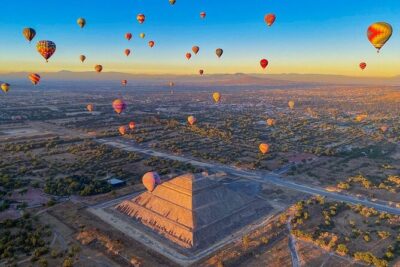
Balloon flight + Breakfast in cave + Pyramids + Pick up CDMX.
Read our review →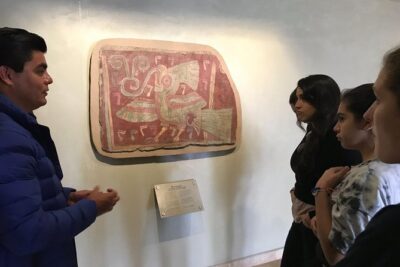
Teotihuacan pyramids morning or afternoon without tourist traps
Read our review →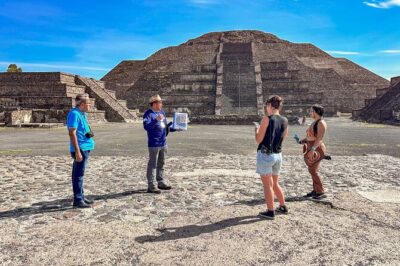
Teotihuacan Early Access Guided Tour with optional Lunch
Read our review →
Balloon flight + pick up in CDMX + Breakfast in Cave + Pyramids
Read our review →
Balloon Flight + Cave Breakfast + Pick Up from CDMX or We Fly
Read our review →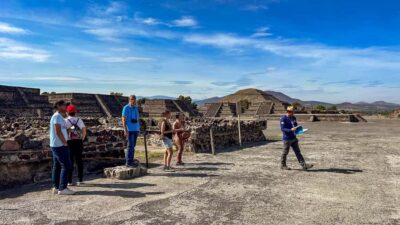
Teotihuacan, Tlatelolco & Guadalupe Shrine Tour
Read our review →Browse the lists this tour appears in