
Reviewed · SAN MIGUEL DE ALLENDE TOURS
Private Mexican Cooking Class with Licensed Chef
The best part of Chef David Jahnke’s class is that it treats Mexican food as more than a collection of recipes. You learn where ingredients came from, why techniques matter, and how to build flavor before you sit down to eat four dishes made in the same kitchen.
I like the private format, which lets you choose hands-on work or simply watch and ask questions. I also like the menu freedom: after booking, you can select from a long list of dishes and shape your four-course meal around your tastes or dietary needs.
The main consideration is pacing. Chef David may spend a substantial part of the opening explaining Mexican food and culinary history before the cooking begins. That is useful if you enjoy context, but it may feel slow if you want to start chopping right away.
Key points at a glance
- Four dishes in one class: Prepare a starter, two main courses, and dessert, then eat the meal you made.
- Chef David Jahnke teaches: He is certified in professional cooking, chef education, gastronomy, and French culinary service.
- A real home-kitchen setting: The class takes place at Chef David’s home in San Antonio, with occasional help from his family.
- Choose your cooking style: Work at your station or watch a demonstration, depending on what suits you.
- Flexible menu planning: Vegetarian, vegan, gluten-free, pescetarian, and other dietary requests can be accommodated.
- Practical take-home value: You receive recipes after class and pick up knife skills, ingredient tips, and methods you can use at home.
Cooking Mexican food with Chef David Jahnke
This is a small, private cooking lesson at C. Del Tesoro 23 in San Antonio, a neighborhood of San Miguel de Allende. The class runs from 11 a.m. to 2 p.m., Monday through Saturday, and ends where it begins.
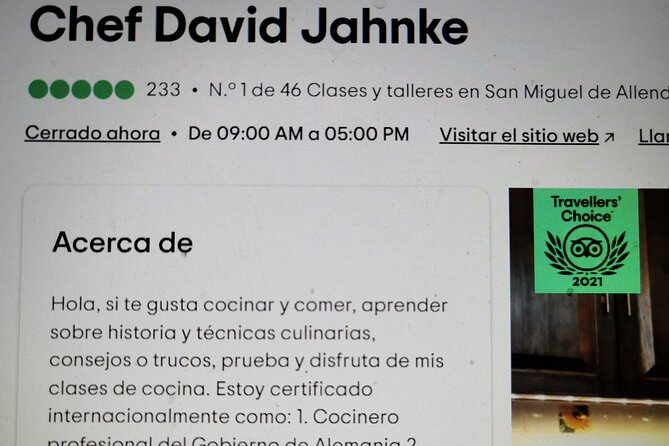
Chef David Jahnke brings an unusual background to the lesson. He is a gastronomy graduate certified by Mexico’s Secretary of Education, a professional cook certified by the German government, a chef educator recognized by the World Association of Chefs, and a French culinary association’s Maitre Cusinier. He has worked internationally for 34 years.
Those credentials matter most because David teaches the reasons behind each step. He can explain not only how to prepare a sauce, but also how ingredients and cooking customs moved across regions and continents. The class can feel part cooking lesson, part food history talk, and part long Mexican lunch.
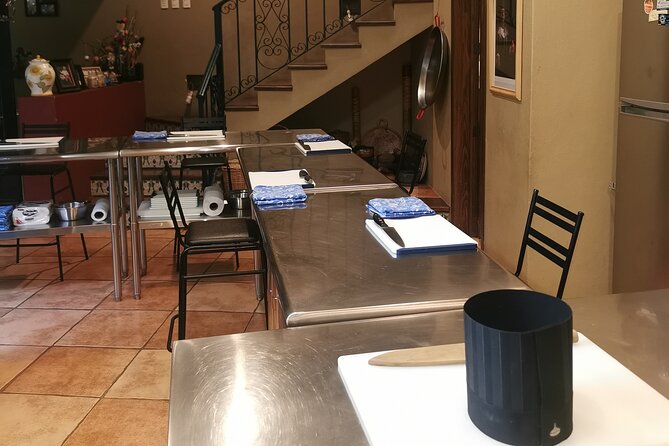
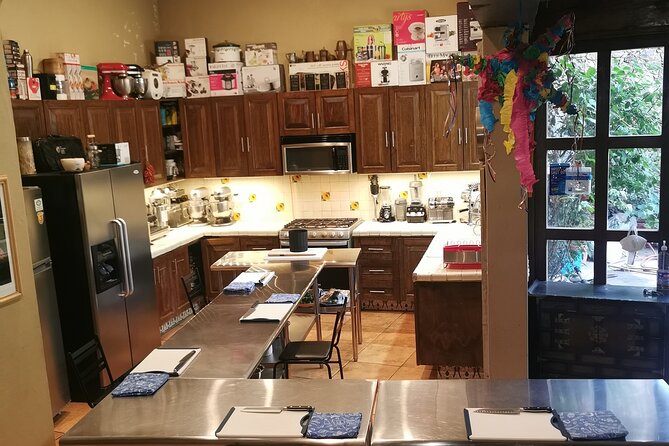
The setting is personal rather than polished like a hotel demonstration kitchen. You cook in David’s home, and his wife may help with the class. His garden can also supply ingredients for the dishes. If you prefer a warm, informal setting, this adds charm. If you expect a professional cooking school with rows of gleaming equipment, adjust your expectations.
More cooking classes around San Miguel de Allende:
- Cabo San Lucas Mexican Cooking Class Experience and Local Markets
★ 5.0 · 915 reviews - Puerto Vallarta Cooking Class Experience with Market Tour
★ 5.0 · 698 reviews - Authentic Mexican Legacy Cooking Class in Cabo San Lucas
★ 5.0 · 530 reviews
The opening lesson: Mexican ingredients and food history
Plan for the class to begin with explanation before hands-on cooking. David introduces Mexican agriculture, traditional ingredients, and the development of Mexican cuisine. Past menu choices have included dried chiles such as serrano, guajillo, and ancho, along with corn, tomatillos, herbs, and other staples.
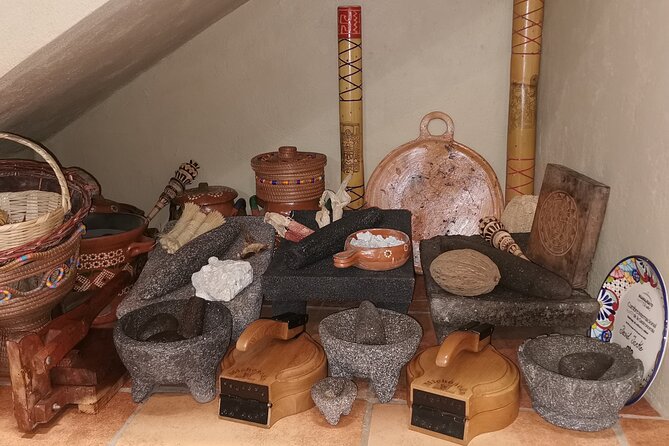
This opening is not filler. It gives you a useful frame for the food you are about to prepare. Mexican cooking reflects Indigenous ingredients and methods as well as later influences from Europe and other parts of the world. David uses the dishes to show how those strands meet on the plate.
You also learn about traditional kitchen tools and the role of fresh ingredients. The emphasis is on cooking from scratch and making sensible use of the food in front of you. David also discusses nutrition and healthy eating, which adds a practical layer for anyone who wants to recreate the recipes at home.
Still, the pace may not fit everyone. One person found that more than an hour passed before eating began. If you are hungry at noon, keep that in mind. The class is designed as a lesson first and a meal second, even though the meal is a major reward.
Four dishes, four different lessons
The sample menu gives you a good sense of the class’s range. It includes soup, enchiladas, fish, and dessert. Because you can often choose four recipes from a larger list after booking, your actual menu may differ.
Sopa de Tortilla
The class may begin with Sopa de Tortilla, also called Aztec or Mexican tortilla soup. You work with chicken and tomato broth, fried pasilla chile, corn chips, avocado, cream, and fresh ranchero cheese.
This dish teaches you how separate elements create contrast. The broth provides depth, while the chile brings smoky heat. Crisp tortilla strips, cool avocado, dairy, and cheese add different textures and temperatures.
It is also a good lesson in garnish. The toppings are not just decoration. They change the bite and allow you to adjust the soup to your taste. If you have eaten tortilla soup in a restaurant, preparing the parts yourself makes the dish easier to understand and reproduce.
A few other San Miguel de Allende days to price up
- La Paz World Class Snorkeling in Balandras Hidden Beaches
★ 5.0 · 582 reviews - Mexican Cooking Class with Food Market Visit in Mexico City
★ 5.0 · 506 reviews - Los Cabos Surf Lesson at Costa Azul
★ 5.0 · 398 reviews - Bean to Bar Chocolate Workshop in Puerto Vallarta
★ 5.0 · 381 reviews
Enchiladas Verdes
Next comes Enchiladas Verdes, made with chicken-stuffed corn tortillas and a green tomatillo and chile sauce. Lettuce, avocado, Mexican cream, and fresh ranchero cheese finish the plate.
Tomatillos are central here. Their tart flavor gives the sauce a freshness that differs from a tomato-based red sauce. You learn how to balance that sharpness with chile, filling, cream, and cheese.
This is also a useful home-cooking lesson because enchiladas involve several linked tasks. The tortillas, filling, sauce, and toppings must work together. David’s method shows you how to organize the work rather than treat each part as a separate recipe.
Pescado a la Veracruzana
The sample menu’s second main course is Pescado a la Veracruzana, or Veracruz-style snapper filet. The fish is steamed in a banana leaf with tomato sauce, olives, capers, bell peppers, onion, and other ingredients.
This dish brings a coastal Mexican style to the table. The salty capers and olives give the tomato sauce a distinct character, while the banana leaf provides a gentle cooking method and an attractive presentation.
It is a good choice for anyone who wants more than familiar tacos or burritos. The fish dish shows how regional Mexican cooking can be light, layered, and precise. If you do not eat meat, a pescetarian menu can be arranged, and the provider also offers other dietary adjustments.
Buñuelos
Dessert is Buñuelos, Mexican fritters served with syrup. The syrup includes piloncillo sugar, guava, citrus fruit, anise, cinnamon, vanilla, and more.
Here the lesson shifts toward spice and sweetness. Piloncillo has a darker flavor than ordinary white sugar, while guava and citrus keep the syrup from becoming flat. Anise, cinnamon, and vanilla add fragrance.
Because the fritters come at the end of a four-dish meal, portions may feel generous. The class is designed so you eat what you prepare, and you may leave quite full. Plan this as your main midday meal rather than scheduling a large lunch afterward.
Menu choices and dietary flexibility
The sample menu is only a starting point. After your reservation, David sends a list of other dishes. You can then change the selection and create your own four-course menu.
That flexibility is one of the strongest reasons to book this class privately. You might choose the sample meal if you want a broad introduction to Mexican cooking. You could also focus on vegetarian dishes, seafood, gluten-free recipes, vegan food, or other needs.
Be clear about restrictions when arranging the menu. The class specifically offers vegan, gluten-free, vegetarian, and pescetarian choices, along with other adjustments. The available menu will depend on what you select, so do not assume every possible dish can be changed at the last minute.
The private setup also works well for mixed groups. A couple can choose different interests, and a family can build a menu that suits several diets. Non-cooks are not left out, either. You can choose demonstration cooking instead of taking on every preparation task.
Hands-on cooking or demonstration style
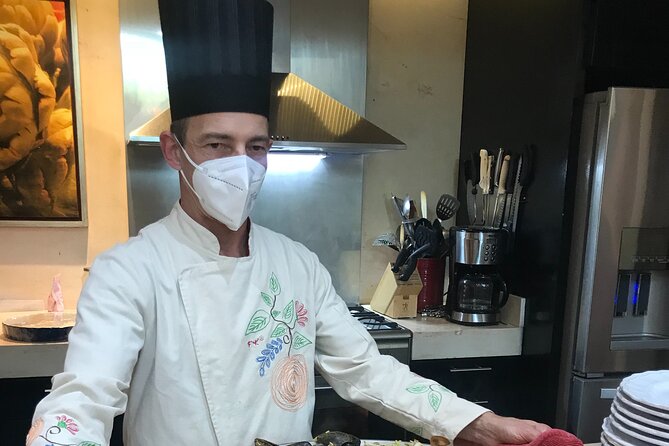
The hands-on option gives each person a more active role. You may chop, mix, assemble, and help prepare each dish under David’s direction. One useful benefit is improved knife technique, which can transfer to nearly any cooking you do later.
David prepares ingredients and organizes the work so the class moves from one recipe to the next. He explains what you are doing, why you are doing it, and how to use the method in another dish. This is more useful than copying a recipe without understanding the method.
If you choose demonstration cooking, you can focus on watching, listening, and asking questions. That may suit someone who enjoys food culture but does not want to spend three hours working at a counter.
The class does not send you home with prepared leftovers. You eat the food during the experience, but one person felt disappointed about not being able to take a meal away. The practical takeaway is the recipes and skills, not a container of food for later.
Sitting down to eat what you made
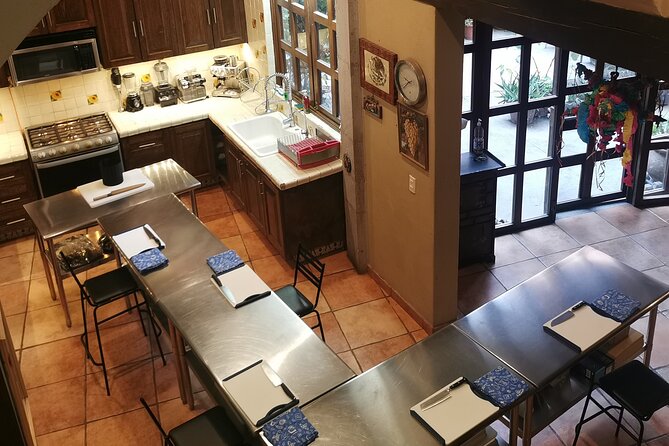
As each course is ready, David presents it for you to eat before moving on. This creates a natural rhythm: prepare, learn, taste, then continue.
The food is made with fresh ingredients and cooked from scratch. You are not simply watching a chef produce a meal while standing at the edge of a demonstration. You take part in the preparation, then see how the finished dish comes together.
The meal can be substantial. With soup, two main courses, and dessert, you may have more than enough food for lunch. Several dishes are served in succession, so pace yourself if you want to appreciate the final course.
This shared meal is also where the home setting pays off. David’s wife and family may appear during the class, adding a personal touch. It feels closer to being welcomed into someone’s kitchen than attending a formal restaurant event.
What you take home besides the meal
David sends the recipes after the session. That is important because four dishes, ingredient explanations, and technique tips are a lot to remember in one afternoon.
The most useful lessons are likely to be transferable ones. You learn how to handle dried chiles, build a broth, balance a sauce, prepare fillings, use fresh garnishes, and work with ingredients such as tomatillos, piloncillo, and banana leaves.
You also gain a better sense of how to substitute or adapt. A dish makes more sense when you know what each ingredient contributes. That helps you improvise at home instead of treating the recipe as a fixed list.
The class can also include a market tour as an added option. That is not part of the standard three-hour activity, but it may appeal to anyone who wants more contact with Mexican ingredients and food traditions before cooking.
Is $147 a fair price?
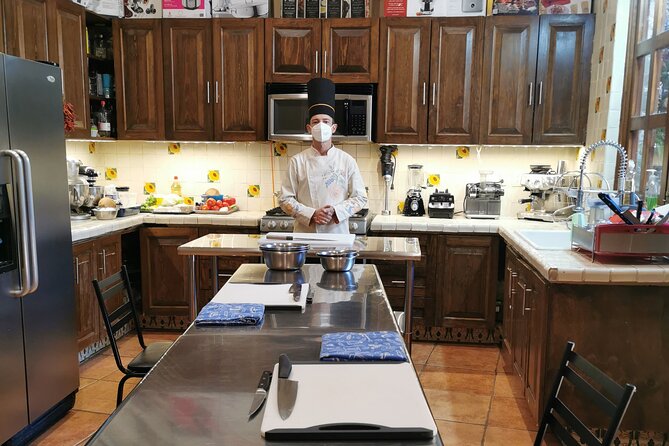
At $147 per person, this is not a cheap lunch. You are paying for a private three-hour class, a full meal, menu planning, instruction from a chef with international experience, and recipes to use later.
The value is strongest for people who enjoy cooking or want a serious introduction to Mexican cuisine. A standard meal in San Miguel may cost less, but it will not teach you how the dishes were made or provide a set of methods you can repeat at home.
The price also makes more sense when shared by a private group that wants personal attention. You are not joining a large class with a fixed menu and limited time to ask questions. You can shape the food around your group and choose hands-on or demonstration cooking.
The value is weaker if you mainly want to eat, take leftovers, or finish quickly. The introductory talk takes time, and the class can run at a measured pace. You should book it for the lesson and the meal together, not just for lunch.
Timing, location, and booking advice
The meeting point is Chef David Jahnke Cooking Classes School at C. Del Tesoro 23, in San Antonio, San Miguel de Allende, Guanajuato. The activity returns to that same point, and the location is near public transportation.
It runs Monday through Saturday from 11 a.m. to 2 p.m. Confirmation is provided when you book, and the ticket is mobile. Since the class is often reserved about 39 days ahead, plan early if your San Miguel schedule is tight.
Build the class into the middle of your stay if you can. That gives you time to use the cooking advice at local markets and restaurants afterward. It also lets you make the class one of your main daytime activities rather than squeezing it between other fixed plans.
You can cancel for a full refund up to 24 hours before the local start time. Changes made within 24 hours are not accepted, so settle your menu and dietary needs well before the class date.
Who will enjoy this class most?
I would choose this experience if you enjoy any of the following:
- Cooking at home and learning repeatable techniques
- Food history and the origins of ingredients
- A full midday meal rather than a quick tasting
- A private setting with time for questions
- Mexican dishes beyond the usual restaurant menu
- Adapting recipes for vegetarian, vegan, gluten-free, or pescetarian diets
It suits experienced cooks because David can explain technique and culinary context in detail. It also works for beginners, including a reluctant cook in your group, because you can choose how active you want to be.
Families may appreciate the private format, though younger children’s suitability is not specified. Couples and solo participants can also book, but the price is easier to justify if you place a high value on personal instruction.
Should you book Chef David’s class?
Book it if you want to understand Mexican cooking, not simply sample it. Chef David’s strength is the combination of food history, practical instruction, fresh ingredients, and a generous meal prepared in a personal home setting.
Go in expecting a lesson with food, not a restaurant lunch with a short cooking demonstration. Allow the opening explanations to set the pace, choose your menu carefully, and tell David about dietary needs before the day.
For cooks, food-focused families, and anyone curious about the story behind Mexican ingredients, this is one of San Miguel de Allende’s better hands-on experiences. If you prefer a quick activity or want leftovers to take away, spend your $147 elsewhere.
FAQ
Where does the cooking class take place?
The class takes place at Chef David Jahnke Cooking Classes School, C. Del Tesoro 23, San Antonio, 37750 San Miguel de Allende, Guanajuato, Mexico.
How long is the experience?
The cooking class lasts approximately three hours, from 11 a.m. to 2 p.m.
On which days is the class offered?
It is offered Monday through Saturday.
Does the activity return to the meeting point?
Yes. The activity ends back at the same meeting point.
Is this a private class?
Yes. Only your group participates in the activity.
How many dishes do you prepare?
You prepare four dishes or recipes during the class.
Can you choose the menu?
Yes. The sample menu is available, and after booking you receive a list of other choices so you can create your own four-course menu.
Can the class accommodate dietary restrictions?
Yes. Vegan, gluten-free, vegetarian, pescetarian, and other dietary options can be arranged.
Can you choose between hands-on and demonstration cooking?
Yes. You can choose to work hands-on or watch a demonstration.
What is the cancellation policy?
You can cancel at least 24 hours before the local start time for a full refund. Cancellations or changes made less than 24 hours before the start are not accepted for a refund.
New on the San Miguel de Allende list
- Private Guanajuato City Tour From San Miguel★ 5.0 · 58 reviews
- Music Tour & Lunch★ 5.0 · 60 reviews
- Queretaro: colonial architecture and history★ 5.0 · 62 reviews
- Private Tour in Guanajuato Capital Leaving San Miguel Allende★ 4.5 · 63 reviews
- Combination Trail Riding and Hot Springs in San Miguel de Allende★ 5.0 · 68 reviews
- San Miguel: Landmarks and Lunch Walking Tour in English★ 4.9 · 70 reviews
- Guanajuato City Shared Tour from San Miguel de Allende★ 5.0 · 73 reviews
- Recorrido Histórico a Pie: Descubre y Explora San Miguel (ES/EN)★ 4.5 · 86 reviews
San Miguel de Allende Tours, compared.
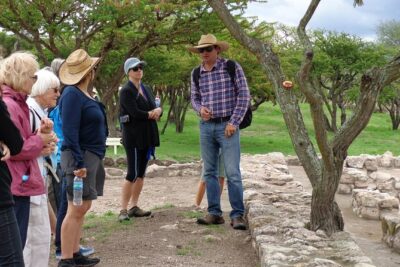
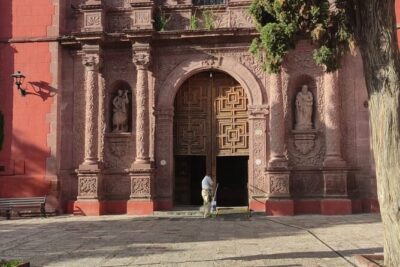
Historical and Cultural Walking Tour of San Miguel de Allende
Read our review →
Original Downtown Food Tour with Taste of San Miguel
Read our review →
Tacos and Tequila Walking Tour with Taste of Miguel
Read our review →

Half Day Excursion – Horseback Riding Adventure in SMA
Read our review →Browse the lists this tour appears in