
Reviewed · MEXICO CITY TOURS
Mexico City: Ticket de entrada Museo Memoria y Tolerancia
Mexico City’s Museo Memoria y Tolerancia asks hard questions about what people do to one another, and what silence can allow. Its 43 permanent-exhibition rooms trace the Holocaust and other crimes against humanity, including Cambodia, Rwanda, Guatemala, Darfur, Yugoslavia, and the Armenian genocide. More than 1,200 objects, documents, photographs, and audiovisual pieces make this a serious, emotionally demanding visit.
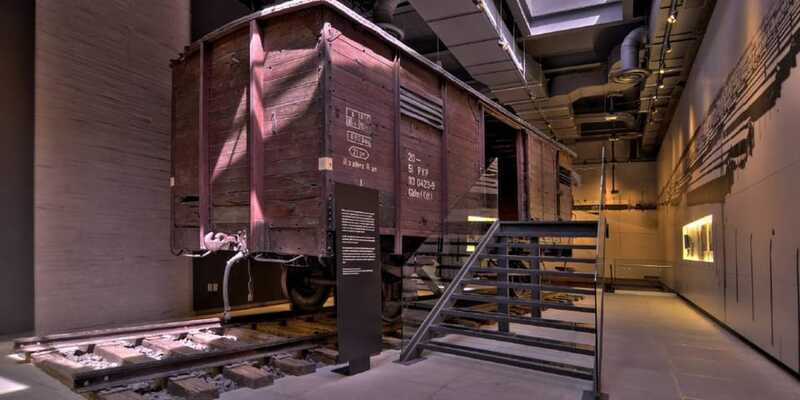
I love the way the museum joins historical evidence with personal reflection, rather than presenting dates and names alone. I also like the mix of art and testimony, from a World War II prisoner transport wagon to installations by Jan Hendrix and a fragment of the Berlin Wall. The main consideration is simple: this is not a light museum stop, and the permanent exhibitions are recommended for children over 15.
- Forty-three rooms cover the Holocaust and several other genocides, giving the museum a broad human-rights focus.
- More than 1,200 objects and documents help ground the subject in real evidence.
- Jan Hendrix, Jorge Marin, Rivelino, and Carl Fredrik Reuterswärd are represented through installations and sculpture.
- Spanish and English audioguides are included, which helps you set your own pace.
- Temporary exhibitions are part of the ticket, so there may be more to see beyond the permanent galleries.
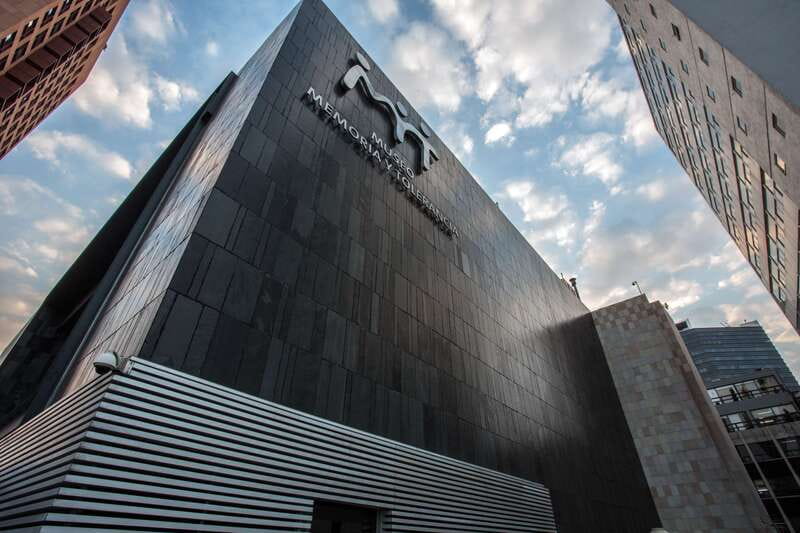
- The museum sits beside Plaza Juarez, near the Secretariat of Foreign Affairs and the Hemicycle to Juarez.
Why This Museum Matters in Mexico City
The Museo Memoria y Tolerancia is not simply a collection of objects from the past. Its purpose is to use memory to encourage tolerance, peace, respect for human rights, and social action. That aim shapes the entire visit.
You begin with the Holocaust, then move into other cases of mass violence and persecution. The museum makes a clear connection between discrimination, indifference, and violence. That connection is important because the displays are not asking you to treat genocide as a closed chapter. They ask you to think about the choices people make before violence reaches its worst point.
I find that approach useful for understanding the museum’s tone. You are not walking through a conventional war museum filled mainly with military equipment. The emphasis is on people, decisions, prejudice, loss, and responsibility. The historical material gives you facts, while the art installations create space to consider what those facts mean.
Plan on giving the museum your full attention. The ticket is valid for one day, but the information is dense. You can move at your own speed with the audio guide, pause at objects that affect you, and take breaks when needed.
Starting With the Holocaust Exhibition
The permanent exhibition dedicated to the Holocaust is the emotional center of the museum. It presents the systematic persecution and murder of European Jews during World War II through documents, images, objects, and audiovisual material.
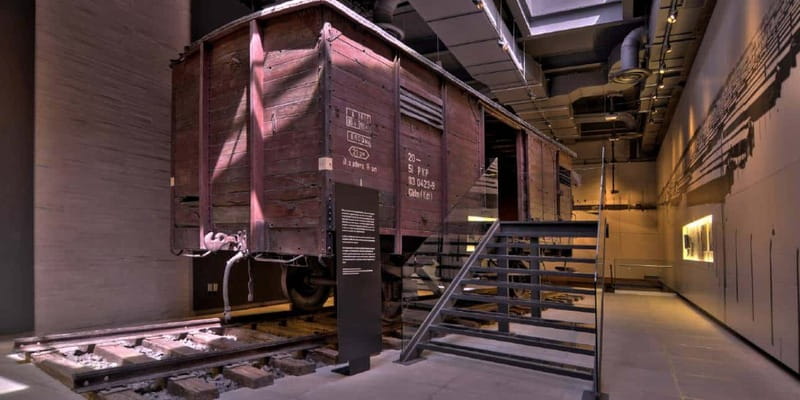
One especially important feature is the World War II train wagon used to transfer prisoners. A single object like this can make the machinery of persecution feel less abstract. It links the written record to the physical conditions forced on people who were transported against their will.
The museum also includes material connected with Anne Frank. This section can be especially affecting because Anne’s story is familiar to many people, yet the surrounding documentation places her experience within the wider scale of the Holocaust. The result is personal without losing historical context.
You should expect difficult images and subjects here. The museum’s purpose is not to soften the past. If you are sensitive to material about murder, imprisonment, discrimination, and the destruction of communities, take your time and use the audio guide selectively.
More City Tours in Mexico City
- Mexico City: Teotihuacan, Tlatelolco & Guadalupe Shrine Tour
★ 4.6 · 3,773 reviews - Teotihuacan Hot Air Balloon Flight from Mexico City / Volare
★ 5.0 · 3,262 reviews - Teotihuacan Private Tour from Mexico City
★ 5.0 · 1,890 reviews
From Armenia to Darfur: The Wider Permanent Exhibition
After the Holocaust section, the museum broadens its focus to other genocides and crimes against humanity. The subjects include the Armenian genocide, Rwanda, Guatemala, Cambodia, Darfur, and Yugoslavia.
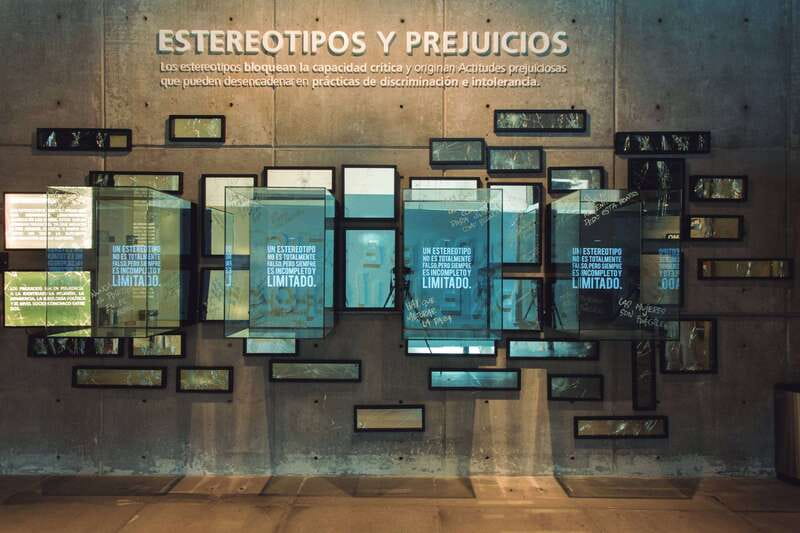
This wider scope is one of the museum’s strongest features. It helps you see patterns across different places and periods, including the role of propaganda, prejudice, dehumanization, and public indifference. At the same time, the range of subjects means that some sections may feel more introductory than a full museum devoted to one event.
The presentation links the past to the museum’s larger message about tolerance. You are encouraged to consider how discrimination begins, how ordinary systems can be used for abuse, and why human rights protections matter.
I would not try to rush through these galleries. The material is too serious for a quick checklist visit. The audio guide in Spanish or English can help you follow the structure and understand the purpose of each room without relying only on wall text.
The Power of 1,200 Objects and Documents
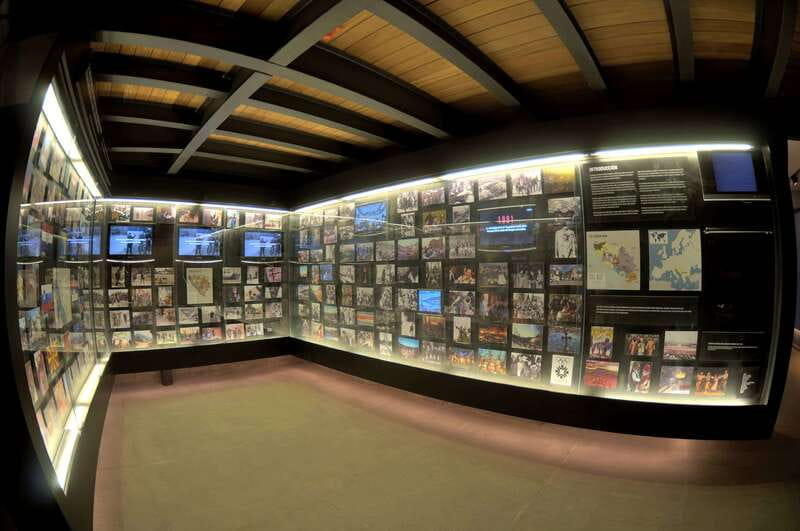
More than 1,200 objects, documents, and audiovisual pieces are displayed across the permanent exhibitions. That number matters because the museum does not depend on one famous artifact or a single dramatic story.
Instead, the collection builds its case through many forms of evidence. A document can show how discrimination was organized. A photograph can reveal the human cost. An audiovisual piece can add voice and movement to an event that might otherwise feel distant.
The variety also lets you choose how you engage. Some people will focus on written records and historical details. Others will respond more strongly to photographs, personal accounts, or physical objects such as the train wagon and Berlin Wall fragment.
The museum’s message becomes more effective when you take time to connect these pieces. I recommend resisting the urge to photograph everything or speed through the rooms. A smaller number of carefully considered exhibits will stay with you longer than a hurried record of the whole collection.
Art Installations That Change the Pace
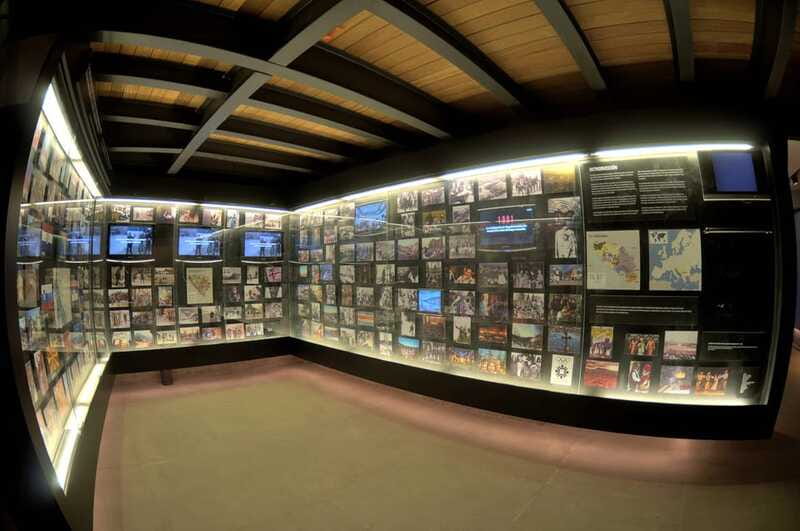
The museum uses art to give the subject another language. These works do not replace the documents. They offer a pause from the factual material and ask you to respond in a more personal way.
Several permanent pieces are specifically named as part of the visit:
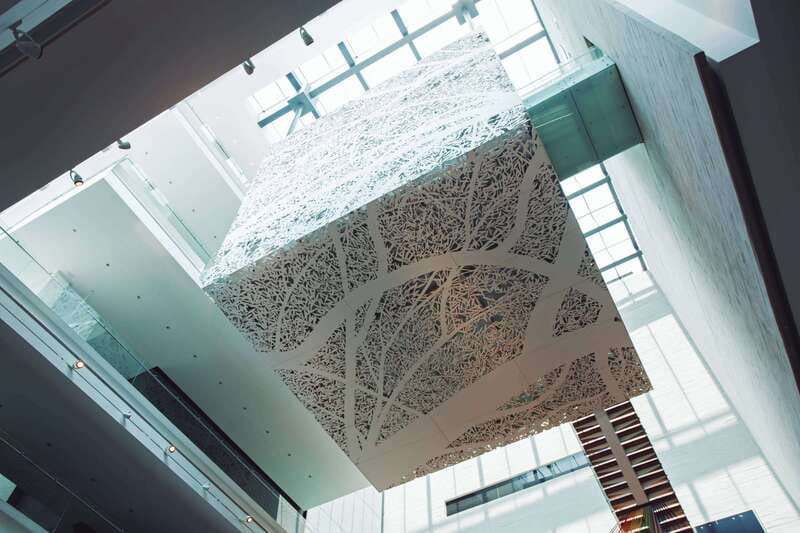
- Lost Potential by Jan Hendrix
- Cube by Jan Hendrix
- The Wings of Peace by Jorge Marin
- YOU by Rivelino
- The Lozano-Hemmer metronomes installation
- Non-Violence Project by Carl Fredrik Reuterswärd
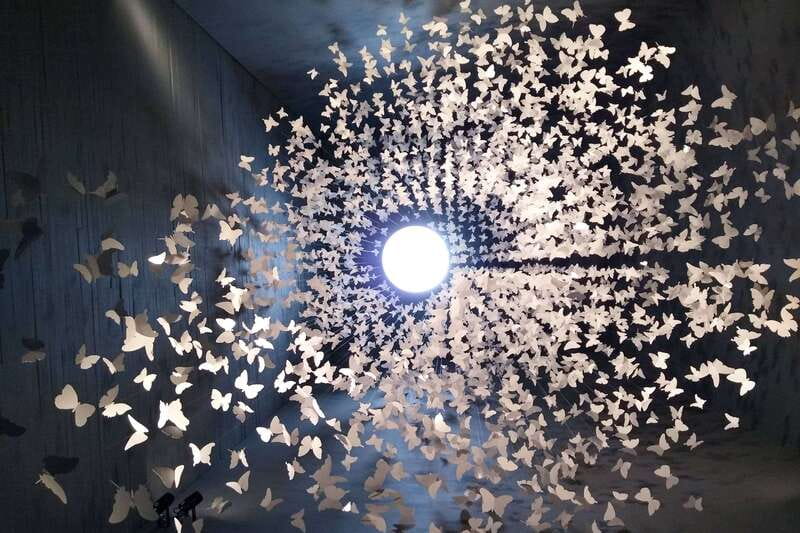
The Jan Hendrix pieces are particularly notable because they bring a sculptural and visual approach to a museum centered on memory and social responsibility. The metronomes introduce rhythm and repetition, while the works by Jorge Marin and Rivelino are described as sculptural and interactive.
Interaction can make an idea easier to remember. Instead of only reading that peace, tolerance, or personal responsibility matters, you encounter art that asks you to consider those themes through form, motion, and participation.
You might find that the installations work differently for you than the historical galleries. That is part of the value. The museum does not force every idea into a wall label. Some pieces leave you with a feeling or question rather than a simple answer.
A few other Mexico City days to price up
- Mexico City: Teotihuacan Early or Afternoon Access Tour
★ 4.6 · 1,547 reviews - Historic Center Food Tour in Mexico City
★ 5.0 · 1,263 reviews - The best tour to Teotihuacán from Mexico City
★ 5.0 · 1,236 reviews - From Mexico City: Puebla, Cholula and Tonantzintla Day Trip
★ 4.3 · 1,191 reviews
The Berlin Wall Fragment and Non-Violence
The fragment of the Berlin Wall is another compact but meaningful part of the museum. The wall represents political division, restricted movement, and the physical force used to separate people. In a museum concerned with tolerance and human rights, it becomes a reminder that barriers can be built by governments and later challenged by societies.
The Non-Violence Project sculpture by Carl Fredrik Reuterswärd carries a direct message through its form. It is one of the museum’s clearest links between historical memory and the behavior you choose in the present.
These works are useful because they break up the sequence of genocide-related material. After several rooms focused on persecution and mass violence, a sculpture or wall fragment can help you stop and think before moving on.
Temporary Exhibitions Included With Your Ticket
Your admission also includes the temporary exhibitions. Their content can change, so you should check what is showing when you plan your visit.
This is a practical advantage of the ticket. You are not paying separately for a second gallery, and the temporary material may give you another angle on memory, tolerance, art, or human rights. It also means the exact shape of your visit can vary from one trip to the next.
If you have limited time, see the permanent exhibitions first, especially the Holocaust and genocide rooms. Then use the remaining time for the temporary show and installations. If you have most of the day, allow yourself to explore both without trying to force everything into a strict schedule.
Using the Spanish or English Audioguide
The included audioguide is available in Spanish and English. That makes the museum easier to use for both local and international audiences.
An audio guide is especially helpful here because the subjects are connected across many rooms. You can listen to the explanation, look closely at the objects, and pause when a section requires more thought. You do not need to depend on a fixed group schedule.
No guide’s personal name is provided, and this is not described as a tour led by a live guide. Think of it as an independent museum visit with structured audio support.
I would choose the language you understand most comfortably, even if you can read some of the other language. The content is too important to follow only halfway. The ability to move at your own pace is also valuable when the material becomes emotionally heavy.
Finding the Museum at Plaza Juarez
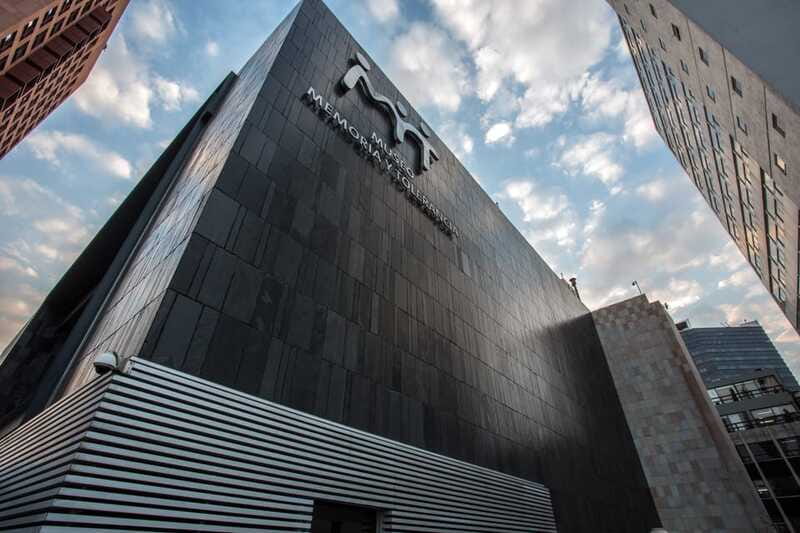
The museum is in downtown Mexico City at Plaza Juarez. It is next to the Secretariat of Foreign Affairs and directly in front of the Hemicycle to Juarez.
That location makes the museum easy to combine with other central sights. You do not need to treat it as a separate day trip outside the city. At the same time, the central setting can make it tempting to squeeze the museum into a short gap between other plans.
I would avoid doing that. Even though the ticket is valid for one day, the subject deserves more than a quick hour between appointments. The exact starting times depend on availability, so check the schedule before you book.
Food and drinks are not allowed inside. Plan to eat before or after your visit rather than expecting to carry snacks through the galleries.
Who Should Visit, and Who Should Think Twice
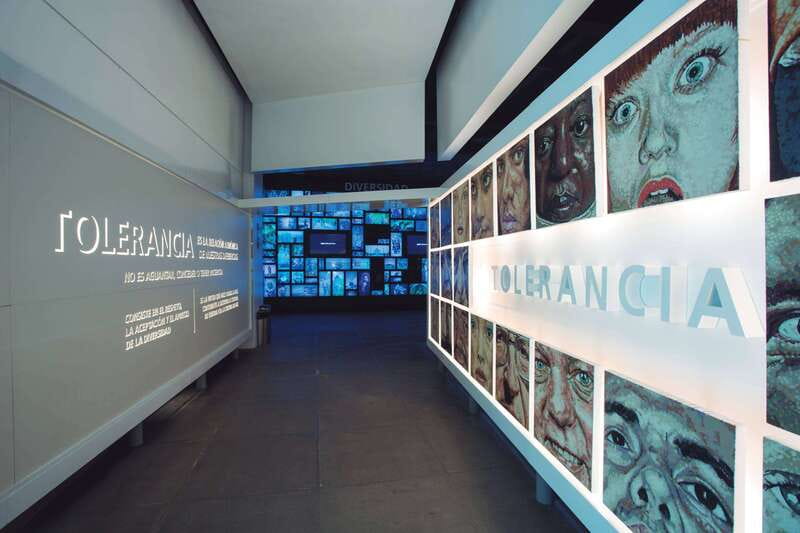
This museum is a strong choice for adults, older teenagers, students of history or human rights, and anyone who wants a serious cultural stop in Mexico City. It suits people who prefer museums that ask moral questions instead of offering only decorative objects.
It is also useful for visitors who have already seen Holocaust museums elsewhere. The collection here adds genocide cases from Latin America, Africa, Asia, and Europe, while the art installations give the subject a distinct Mexican setting.
The permanent exhibitions are recommended for children older than 15. Children younger than 15 must be accompanied by an adult. Even with an adult present, you should decide carefully if the subject matter is suitable for your child.
This is not the best choice if you want a relaxed, playful museum or a short visual attraction. The content can be painful, and some rooms may require a quiet pause. That is not a flaw in the museum, but it is a real part of planning the day.
Is the $13 Ticket Good Value?
At $13 per person, the ticket offers solid value if you plan to spend several hours with the permanent and temporary exhibitions. You receive admission, the Spanish or English audioguide, and access to temporary exhibitions without an added museum ticket.
The value comes less from the number of objects than from the range of subjects and the care needed to understand them. You are paying for a substantial museum visit, not a quick photo stop.
It is harder to justify the price if you only have a brief gap in your schedule or do not want emotionally difficult material. In that case, a shorter central-city attraction may suit you better.
The ticket also allows free cancellation up to 24 hours in advance, with a full refund, and a reserve-now, pay-later option is available. Those terms are useful if your Mexico City plans are still shifting.
Accessibility and Practical Comfort
The museum is wheelchair accessible. That makes the visit more workable for people who need step-free access, though the provided information does not specify every detail of the building or rest areas.
Because the museum covers 43 rooms, comfortable pacing matters. You can use the audio guide to decide where to spend extra time rather than treating every room as equally urgent.
Bring patience, not food or drinks. The no-food rule protects the exhibits and keeps the galleries focused, but it also means you should plan your break outside the museum.
Should You Book the Museo Memoria y Tolerancia?
Book this ticket if you want a serious, well-structured museum about the Holocaust, genocide, tolerance, and human rights. The combination of 43 rooms, more than 1,200 historical materials, temporary exhibitions, and strong public art gives you plenty to consider for the $13 price.
I would especially recommend it if you appreciate museums that connect history with present-day choices. The Anne Frank material, World War II train wagon, Berlin Wall fragment, and works by Jan Hendrix and other artists give the visit both evidence and emotional force.
Think twice if you are traveling with young children or want an easygoing afternoon. For older teenagers and adults who can handle difficult subjects, this is one of Mexico City’s more meaningful museum stops. Give it enough time, use the audio guide, and do not schedule something demanding immediately afterward.
FAQ
Where is the Museo Memoria y Tolerancia located?
The museum is at Plaza Juarez in downtown Mexico City, next to the Secretariat of Foreign Affairs and in front of the Hemicycle to Juarez.
What does the admission ticket include?
The ticket includes entry to the museum, the permanent exhibitions, temporary exhibitions, and an audioguide in Spanish or English.
How many rooms are in the permanent exhibition?
The permanent exhibition includes 43 rooms.
What subjects does the permanent exhibition cover?
It covers the Holocaust and other crimes against humanity, including the Armenian genocide, Rwanda, Guatemala, Cambodia, Darfur, and Yugoslavia.
Is the audioguide available in English?
Yes. The audioguide is available in Spanish and English.
Can children visit the museum?
The permanent exhibitions are recommended for children older than 15. Children younger than 15 must be accompanied by an adult.
Is the museum wheelchair accessible?
Yes, the museum is wheelchair accessible.
New on the Mexico City list
- Day of the Dead Tour in San Andres Míxquic From Mexico City★ 3.7 · 52 reviews
- Half-Day Tour to Teotihuacan Pyramids from Mexico City★ 5.0 · 53 reviews
- Xochimilco floating gardens, Coyoacan and UNAM murals★ 4.0 · 53 reviews
- Guided Tour of Coyoacan and Leon Trotsky Museum★ 5.0 · 53 reviews
- Gay Side of History through Plazas & Temples★ 4.5 · 53 reviews
- Flavors of Mexico City: A Tasty Urban Expedition★ 4.5 · 53 reviews
- Butterfly Monarch Tour from Mexico City★ 5.0 · 53 reviews
- From Mexico City: Cholula Pyramid & Puebla Small Group Tour★ 4.6 · 54 reviews
Mexico City Tours, compared.
Teotihuacan, Guadalupe Shrine & Tlatelolco Day Tour with Lunch
Read our review →
Xochimilco, Coyoacan and Frida Kahlo with Optional Lunch
Read our review →
Balloon flight + Breakfast in cave + Pyramids + Pick up CDMX.
Read our review →
Teotihuacan pyramids morning or afternoon without tourist traps
Read our review →
Teotihuacan Early Access Guided Tour with optional Lunch
Read our review →
Balloon flight + pick up in CDMX + Breakfast in Cave + Pyramids
Read our review →
Balloon Flight + Cave Breakfast + Pick Up from CDMX or We Fly
Read our review →
Teotihuacan, Tlatelolco & Guadalupe Shrine Tour
Read our review →Browse the lists this tour appears in