Reviewed · MEXICO CITY TOURS
Fly over to the Unexplored Parts of CDMX by Cable Car
Mexico City’s Cablebús turns public transport into a remarkable sightseeing ride. From above, you see Iztapalapa’s dense neighborhoods, rooftop murals, colorful homes, and the sheer size of CDMX in a way no street-level tour can match. Fernando guides you through the city’s history, transit system, and local life, with stops for tacos and pulque.
I like two things especially: the tour takes you far beyond the normal Centro Histórico circuit, and it teaches you how to use Mexico City’s Metro and cable cars. The snack, alcoholic drink, museum admission, and food stop also help the $58 price feel fair. The catch is the pace. You should be ready for frequent walking, stairs, crowded public transport, and English spoken quickly.
Key points to know before you go
- Cablebús views: See Iztapalapa from above while riding a working public transit system, not a sightseeing attraction built only for tourists.
- A real local district: Walk through an area few visitors reach, with commentary on its history, culture, and present-day life.
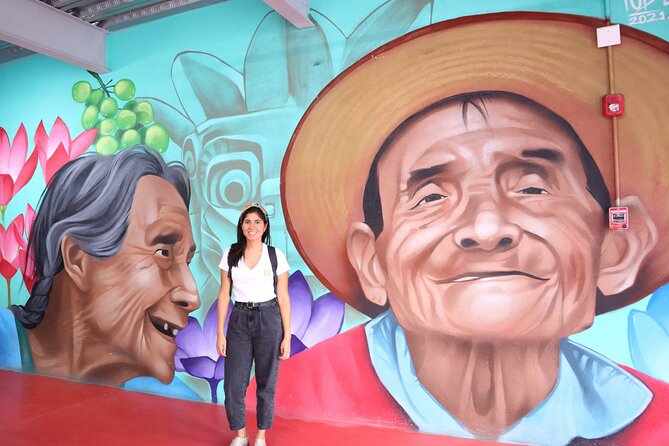
- Murals and tacos: Mercado Quetzalcóatl combines colorful public art with a stop for local food.
- Strong transit lesson: Fernando explains how to use CDMX public transportation, making this a useful first-day activity.
- Fast and physical: Allow roughly four and a half hours, with stairs, walking, and transfers in and out of Metro and Cablebús stations.
- Pulque finish: The tour ends at a downtown pulquería with a taste of this traditional fermented drink.
Why the Cablebús changes your view of Mexico City
Most first visits to Mexico City stay near Centro Histórico, Roma, Condesa, Coyoacán, Chapultepec, and the major museums. Those districts deserve your time, but they do not show the full reach of the capital. Iztapalapa gives you a very different picture.
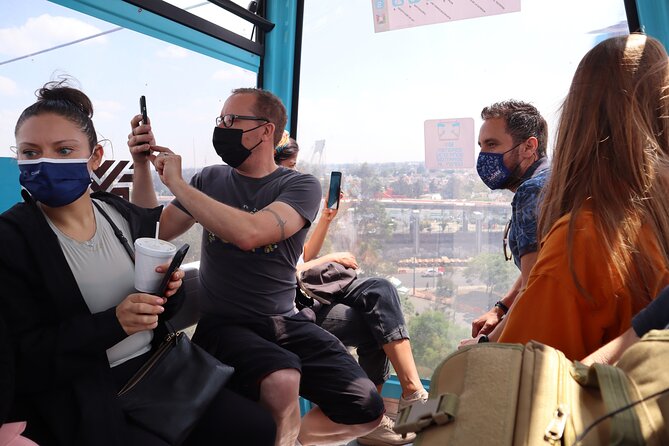
The Cablebús carries you above a huge urban district, allowing you to see streets, homes, rooftops, painted walls, and hillsides spread across a much larger area than most sightseeing routes cover. The ride is smooth and functions as everyday transportation. That matters because you are not simply looking at Mexico City through a tourist window. You are using one of the systems that residents rely on.
The ride also gives you a better sense of scale. At street level, CDMX can feel like a collection of separate districts. From the cable car, those districts connect into one enormous city. The view is not polished in the way a monument or central plaza is polished, but it is more revealing. You see ordinary neighborhoods, creative public art, and the daily rhythm of a city that keeps stretching far beyond the postcard center.
Fernando adds context as you travel. He covers history, geography, culture, and the practical details of moving around by Metro and cable car. Several parts of the tour are interactive, so you are not just sitting back and listening. You will need to stay alert, especially during noisy transit sections.
A few other Mexico City days to price up
- Teotihuacan, Guadalupe Shrine & Tlatelolco Day Tour with Lunch
★ 5.0 · 11,603 reviews - Xochimilco, Coyoacan and Frida Kahlo with Optional Lunch
★ 4.5 · 7,320 reviews - Balloon flight + Breakfast in cave + Pyramids + Pick up CDMX.
★ 5.0 · 6,335 reviews
Starting at El Moro in Centro Histórico
The meeting point is Churrería El Moro Centro at Eje Central Lázaro Cárdenas 42 in Centro Histórico. This is a practical starting spot near public transportation and easy to identify by the famous churro shop.
The tour then moves through the city by public transit. That is one of its strongest features, particularly if you are new to CDMX. Instead of spending the entire morning in a private vehicle, you learn how the Metro and Cablebús fit together.
I would choose this experience early in your stay if you want help finding your way around. It can give you a working introduction to public transport, along with ideas for food and places to visit later. The tradeoff is comfort. Public transportation means standing, walking between connections, and dealing with the noise and speed of an active city system.
The group can reach 20 people, so the amount of personal attention may depend on the day. Fernando has also led tours with Alex, his sister. Both have been described as friendly and energetic in the supplied information, but Fernando is the main guide named in the tour details.
Museum of Cultures by Iztapalapa Passion
The first scheduled stop is the Museum of Cultures by Iztapalapa Passion, with about 35 minutes set aside and admission included. The museum explains the history and traditions of Iztapalapa.
This stop gives the rest of the outing a useful foundation. Without some background, the district can look like a vast collection of streets and buildings viewed from a cable car. The museum helps connect what you see to local traditions and the identity of the area.
Thirty-five minutes is enough for an introduction, but do not expect a long museum visit. This is a compact part of a larger route, designed to prepare you for the neighborhood walk and the aerial ride. If you prefer spending hours with museum displays, the timing may feel short. If you want a quick cultural frame before heading outdoors, it works well.
Walking through Iztapalapa beyond the tourist center
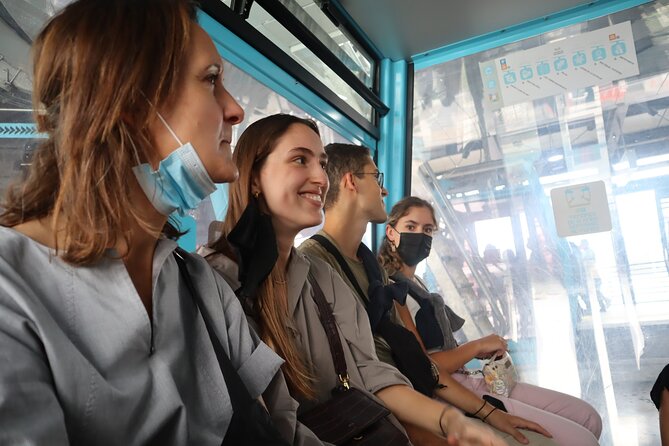
The Iztapalapa portion lasts about an hour and includes a walk through local streets, a cultural center, and a chance to eat local food. The exact balance between walking, commentary, and food may vary with the group and the day, but the purpose is clear: you are seeing a working district rather than a staged attraction.
I like this part because it gives the Cablebús ride more meaning. You first experience the district at street level, then rise above it. That two-part view helps you understand both the details and the size of Iztapalapa.
The tour also presents local history and current life together. Fernando discusses the area’s past, its people, and how the city developed. The experience is not limited to architecture or famous landmarks. You learn how public transport connects residents to the rest of CDMX and how a large district fits into the capital.
You should not book this expecting a slow, leisurely stroll. The pace is described as fast, and several people found the day highly educational but physically demanding. There are stairs in and out of Metro and Cablebús stations, along with plenty of walking. If you use a cane, have hearing trouble, or need frequent breaks, contact the provider before booking and make sure the pace suits you.
Same stretch of coast, a very different day:
- Teotihuacan pyramids morning or afternoon without tourist traps
★ 5.0 · 6,186 reviews - Teotihuacan Early Access Guided Tour with optional Lunch
★ 4.5 · 6,138 reviews - Balloon flight + pick up in CDMX + Breakfast in Cave + Pyramids
★ 5.0 · 5,651 reviews - Balloon Flight + Cave Breakfast + Pick Up from CDMX or We Fly
★ 5.0 · 4,410 reviews
Riding the Cablebús above the rooftops
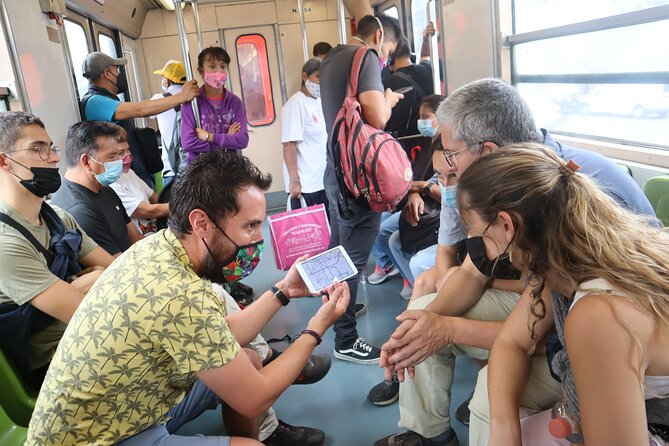
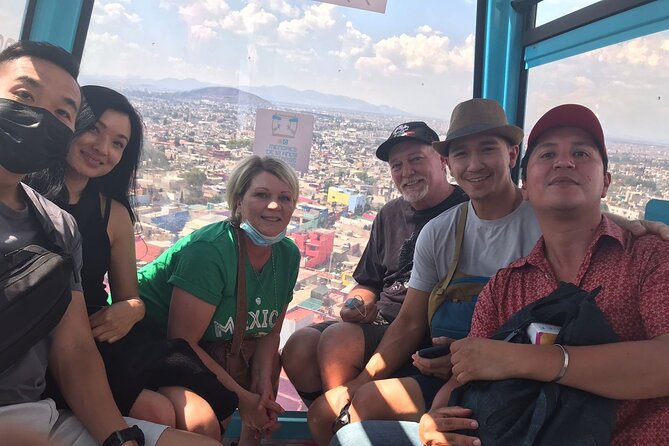
The Cablebús is the main event. You ride above Iztapalapa and look down at streets, rooftops, murals, and blocks of homes. The views can be surprisingly beautiful, but they are also useful because they show how much of Mexico City lies outside the central districts.
The cable car is used as real public transportation, which gives the ride a more authentic feel than a dedicated tourist gondola. It is also an efficient way to cover ground. Rather than crawling through traffic, you move above it and gain a broad view along the route.
The murals are a major part of the visual appeal. Some are painted across rooftops and building walls, so they are difficult to appreciate from the street. From the cabin, they become part of the view. Fernando’s commentary helps you notice details that might otherwise pass beneath you.
The ride itself is not the whole experience. Its real value comes from having a guide explain what you are seeing. Without that context, you might remember colorful buildings and a long urban view. With it, you get a clearer picture of the district’s development, transit network, and local character.
Bring your attention, not just your camera. The Cablebús ride moves steadily, and the best sights may appear briefly. It is also worth remembering that this is a transit journey, so conditions are not designed around sightseeing comfort.
Mercado Quetzalcóatl: murals with a taco stop
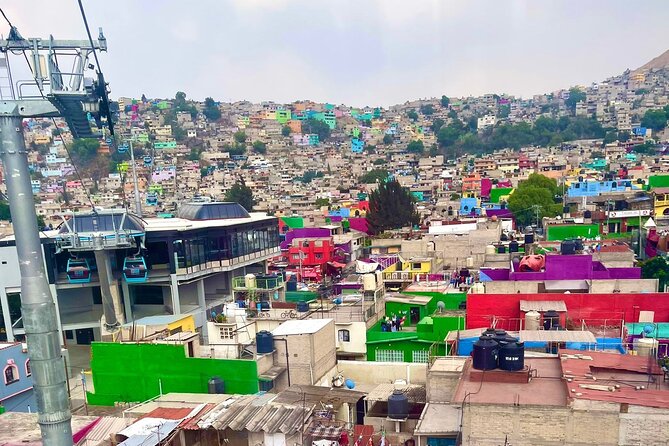
The visit to Mercado Quetzalcóatl lasts about 30 minutes, with admission included. The market combines two pleasures that work especially well together: local food and public art.
The murals are described as a major feature, including works that even some local residents may not know. This makes the market more than a quick meal stop. Look around before focusing on your plate. The walls and surrounding buildings add color and character to the visit, and the guide can explain what you are seeing.
The food highlight is tacos, including carnitas mentioned in the tour details. A short market stop cannot offer a full food tour, but it gives you a direct taste of the neighborhood. This is a good contrast with restaurants in the central tourist areas. You get something simple, local, and tied to the place you are visiting.
The time is brief, so expect a focused stop rather than a long browse through every aisle. If your priority is eating several dishes at a relaxed pace, you may want to plan another market visit during your stay. Here, the tacos support the wider tour rather than taking over the schedule.
Ending with pulque in Centro Histórico
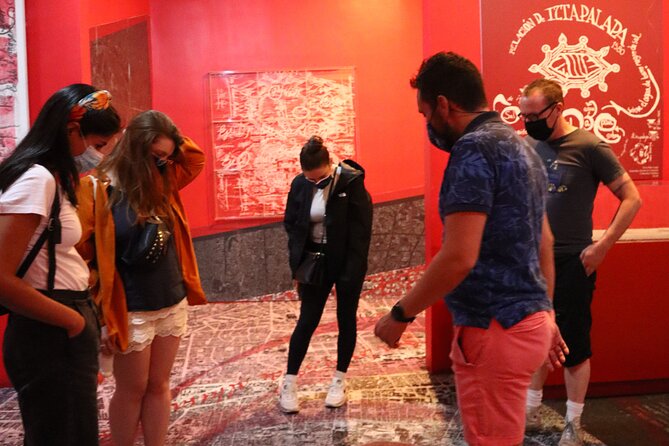
The listed itinerary names Pulquería Vacas Verdes Bellas Artes for a 20-minute finish, while the meeting information gives the end point as Pulquería La Risa on Calle de Mesones 71 in Centro Histórico. Both descriptions place the final drink in a local downtown pulquería, so confirm the exact ending location when you book or meet the guide.
The drink is pulque, a traditional fermented beverage with pre-Hispanic roots. It gives the tour a fitting ending because it connects food, history, and modern city life. You are not simply finishing with a generic bar stop. You are tasting a drink with a long place in Mexican culture.
The included alcoholic beverage adds value to the ticket, especially when combined with the museum admission and taco stop. If you do not drink alcohol, you should ask the provider about alternatives before booking, since the tour description specifically promises an alcoholic beverage.
The end point is convenient for continuing your evening in Centro Histórico. You finish near the city’s central sights and can easily make your own plans afterward.
What the $58 price includes
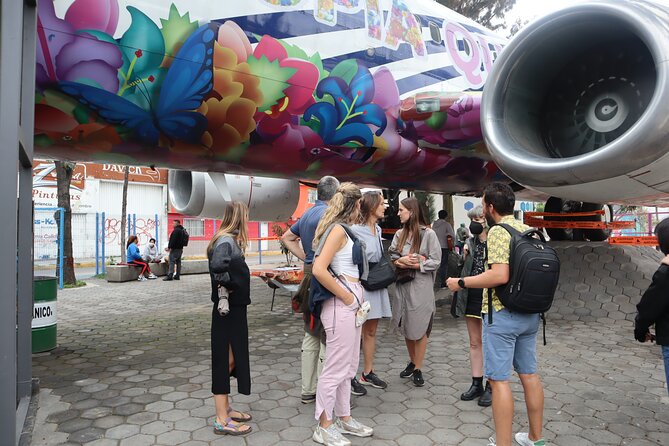
At $58 per person, this is not the cheapest way to see a cable car. You are paying for much more than the ride itself, though.
The price covers an English-language guide, the museum visit, the market stop, a complimentary snack, and an alcoholic beverage. It also packages several kinds of access that would be hard to combine on your own in half a day: a museum introduction, a local neighborhood walk, public transit instruction, a Cablebús ride, murals, tacos, and pulque.
I see the biggest value in the transit coaching and local context. You could ride the Cablebús independently for far less, but you would need to plan the route, understand the transfers, find the market and museum, and decide how to interpret the district. The tour turns a complicated outing into a guided route.
It is also a useful choice for a first visit. You learn the transport system while receiving suggestions for food, bars, and lesser-known places to visit later. For a family, couple, or solo visitor who wants a different view of CDMX, the price is reasonable. For someone interested only in a quick aerial ride, it is more than necessary.
Who should book this Iztapalapa tour
This experience suits you if you want to:
- See CDMX beyond the standard tourist districts
- Learn to use the Metro and Cablebús
- Understand how a large local district developed
- Eat tacos in a market setting
- See murals from an unusual angle
- Try pulque
- Spend half a day walking and exploring
It is especially useful for independent visitors who want to use public transportation during the rest of their trip. The tour gives you practical confidence and a better mental map of the city.
Families can enjoy it, and one account specifically notes that an 11-year-old stayed engaged. Teenagers may also appreciate the cable car and the active pace. Solo visitors can benefit from the organized route, while couples get an outing that feels more distinctive than another museum-and-plaza circuit.
You should think twice if you want a quiet, slow-paced tour or have difficulty walking quickly. You should also be comfortable with English spoken at a brisk pace. One critical account raised concerns about rapid explanations in noisy Metro settings and about the guide’s response to a participant who struggled with hearing and pace. Most of the available feedback praises Fernando’s energy and teaching, but this criticism points to a real planning issue. Ask for clarification before booking if you need slower speech, frequent pauses, or mobility support.
Practical details for a smoother day
The tour lasts approximately four hours and 30 minutes. Wear shoes suited to city walking and be ready for stairs. The route includes transfers and time on foot, so this is not a sit-down sightseeing trip.
The experience is offered in English and accepts mobile tickets. Booking confirmation is provided at the time of booking. It is near public transportation, and most people can participate, but the physical demands deserve attention.
The tour requires good weather. If poor weather forces a cancellation, you receive the choice of another date or a full refund. The activity also needs a minimum number of participants, and a cancellation for that reason brings the same choice. You can cancel for a full refund up to 24 hours before the start time. Cancellations or changes made within 24 hours are not refunded or accepted.
Because the tour is often booked about 20 days ahead, reserve early if your schedule is fixed. The group limit of 20 keeps the route manageable, though a full group may make communication harder in noisy stations.
Should you book it?
Book this tour if you want Mexico City as a living city, not only as a set of famous sights. The Cablebús views, Iztapalapa streets, rooftop murals, tacos, and pulque create a varied half-day, while Fernando’s explanations add the history and practical transit help that make the route worthwhile.
Skip it if you want minimal walking, a slow pace, or a polished sightseeing circuit. For everyone else, especially visitors early in their trip, this is a strong-value way to see a less familiar side of CDMX and learn how to get around on your own.
FAQ
Where does the tour start?
It starts at Churrería El Moro Centro, Eje Central Lázaro Cárdenas 42 in Centro Histórico, Mexico City.
Where does the tour end?
The tour finishes at a local bar in Centro Histórico. The meeting information gives Pulquería La Risa, Calle de Mesones 71, as the end point, while the itinerary names Pulquería Vacas Verdes Bellas Artes. Confirm the exact location with the provider.
How long does the experience last?
The tour lasts approximately four hours and 30 minutes.
What language is the tour offered in?
The tour is offered in English.
How many people can join the tour?
The maximum group size is 20 participants.
Does the tour include museum admission?
Yes. Admission to the Museum of Cultures by Iztapalapa Passion is included.
Are food and drinks included?
The experience includes a complimentary snack and alcoholic beverage. The market visit includes tacos, and the final stop includes a traditional pulque tasting.
Do I need to use public transportation?
Yes. The route uses Mexico City public transportation, including the Metro and Cablebús.
Is the tour suitable for most people?
Most participants can take part, but the tour includes substantial walking, stairs, and a fast pace. People with mobility or hearing concerns should confirm suitability before booking.
Can I cancel for a refund?
You can cancel up to 24 hours before the start time for a full refund. Cancellations or changes made less than 24 hours before the experience are not accepted and are not refunded.
New on the Mexico City list
- Day of the Dead Tour in San Andres Míxquic From Mexico City★ 3.7 · 52 reviews
- Half-Day Tour to Teotihuacan Pyramids from Mexico City★ 5.0 · 53 reviews
- Xochimilco floating gardens, Coyoacan and UNAM murals★ 4.0 · 53 reviews
- Guided Tour of Coyoacan and Leon Trotsky Museum★ 5.0 · 53 reviews
- Gay Side of History through Plazas & Temples★ 4.5 · 53 reviews
- Flavors of Mexico City: A Tasty Urban Expedition★ 4.5 · 53 reviews
- Butterfly Monarch Tour from Mexico City★ 5.0 · 53 reviews
- From Mexico City: Cholula Pyramid & Puebla Small Group Tour★ 4.6 · 54 reviews
Mexico City Tours, compared.
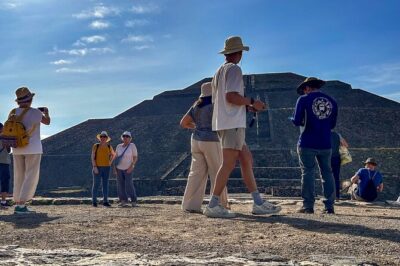
Teotihuacan, Guadalupe Shrine & Tlatelolco Day Tour with Lunch
Read our review →
Xochimilco, Coyoacan and Frida Kahlo with Optional Lunch
Read our review →
Balloon flight + Breakfast in cave + Pyramids + Pick up CDMX.
Read our review →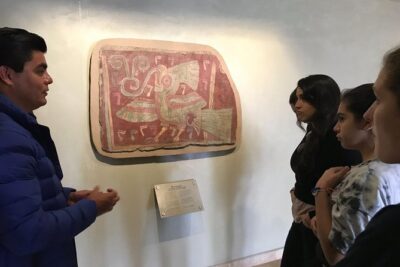
Teotihuacan pyramids morning or afternoon without tourist traps
Read our review →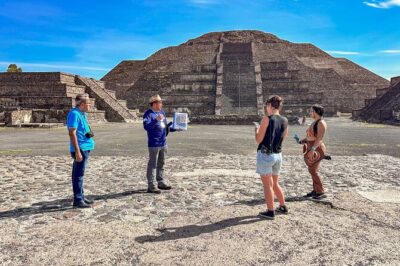
Teotihuacan Early Access Guided Tour with optional Lunch
Read our review →
Balloon flight + pick up in CDMX + Breakfast in Cave + Pyramids
Read our review →
Balloon Flight + Cave Breakfast + Pick Up from CDMX or We Fly
Read our review →