
Reviewed · MEXICO CITY TOURS
Mexico City: Hop-on Hop-off Bus Tour
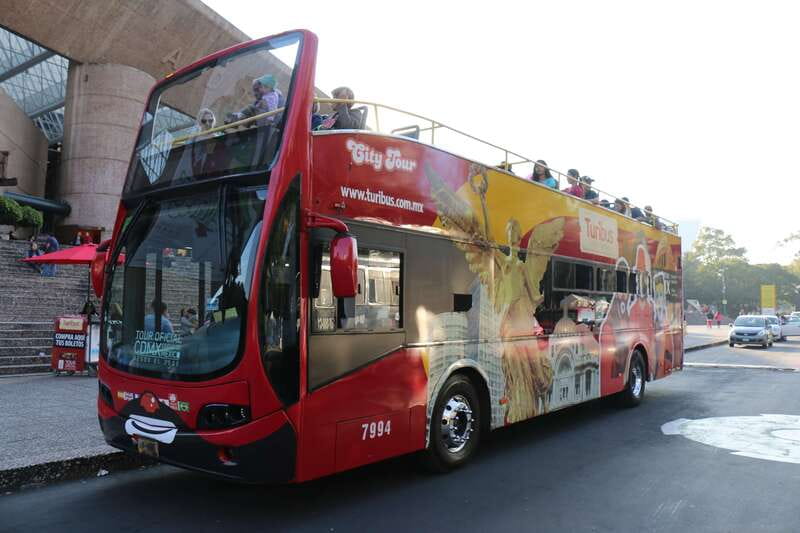
Mexico City is too big to understand on foot in a day, but this Turibus hop-on hop-off tour gives you a useful first look. One bracelet covers four routes, from the Zócalo and Reforma to Polanco, Coyoacán, UNAM, and the Basilica of Guadalupe. You can ride, hop off, and rejoin the network at your own pace.
I like two things right away: the ticket doubles as sightseeing and transport, and the four routes show very different sides of the capital. The Historic Downtown circuit is the best starting point for landmarks, while the South circuit reaches places that are awkward to connect by taxi or Metro. The main drawback is traffic. A route that looks quick on the map can take much longer, and the less frequent routes require careful planning.
I also like that the tour works well as a scouting trip. You can spot a museum, plaza, or neighborhood from the upper deck, then return later with more time. Just bring your own earphones if possible, and remember that the Spanish announcements can overpower the English audio on some buses.
Key points to know before boarding
- Four routes cover four different Mexico City experiences: Centro, Polanco, the southern neighborhoods, and the Basilica.
- One bracelet covers every route: You can change circuits without buying another ticket.
- The Historic Downtown route runs most often: Buses are scheduled about every 30 minutes from 9 a.m. to 7 p.m.
- The South route needs extra time: Traffic and lower frequency can make the Coyoacán and UNAM circuit a long outing.
- Audio quality varies: The multilingual system is useful, but Spanish announcements and street noise can make English hard to hear.
- A two-day pass is easier for serious sightseeing: One day is enough for an overview, not for exploring all four areas properly.
What the Mexico City Turibus actually does well
At $21 per person, this is a good-value introduction to a very spread-out city. You are not paying only for a narrated ride. You are also getting a way to move between districts that would otherwise require several taxis, rideshares, or public transport connections.
The value is strongest if you use the bus for both purposes. Ride the Historic Downtown route to see where the major sights sit, hop off for a museum or meal, then use the bus to continue. On another day, use the South route to reach Coyoacán and the Frida Kahlo Museum area without working out every connection yourself.
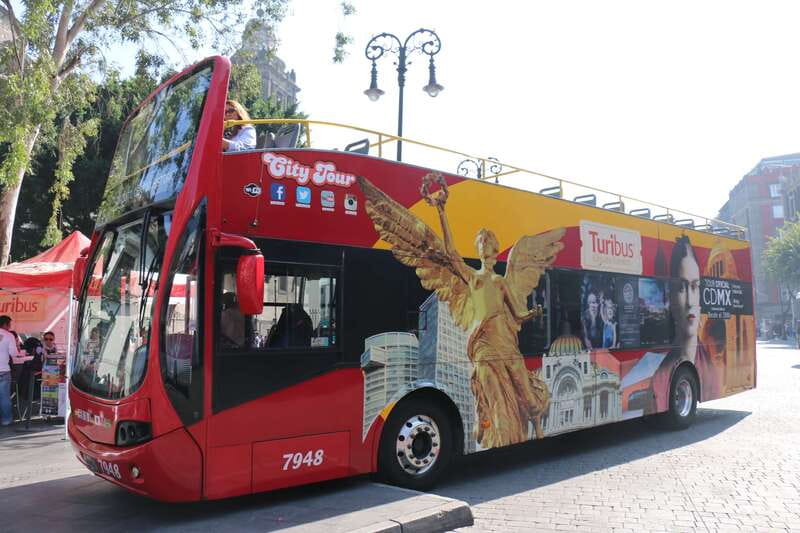
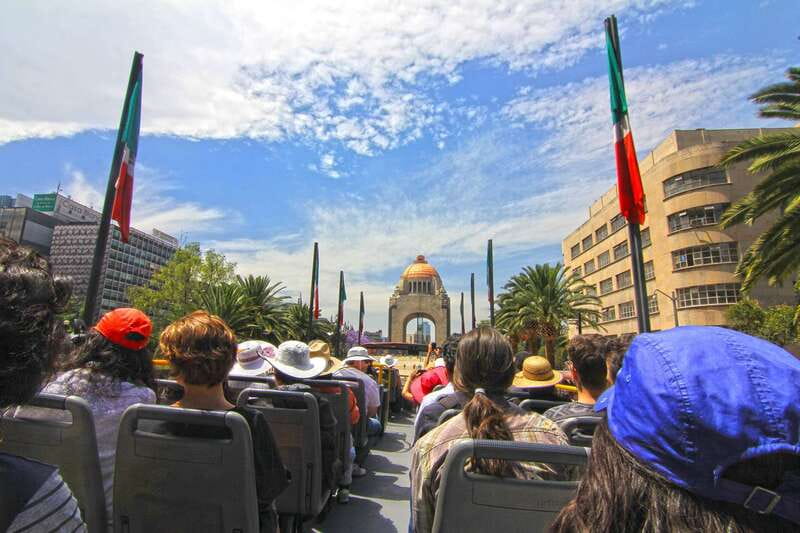
The buses are double-deckers with open upper levels. On a clear morning or in the cooler part of the day, the top deck gives you a pleasant view of broad avenues, monuments, buildings, and daily city life. The afternoon sun can be fierce, though. In warm weather, the metal seats heat up, and shade is limited.
The buses are generally clean and modern, but comfort depends on traffic and seat location. Avoid sitting directly beside the loudspeakers if you want to follow the audio in English. The service is wheelchair accessible, and children up to age three ride free while sitting on a parent’s lap.
More City Tours in Mexico City
- Mexico City: Teotihuacan, Tlatelolco & Guadalupe Shrine Tour
★ 4.6 · 3,773 reviews - Teotihuacan Hot Air Balloon Flight from Mexico City / Volare
★ 5.0 · 3,262 reviews - Teotihuacan Private Tour from Mexico City
★ 5.0 · 1,890 reviews
Route 1: Centro shows you the city’s main stage
The Historic Downtown route is the natural first ride. It runs daily from 9 a.m. to 7 p.m., with buses roughly every 30 minutes. Its 19 stops connect major avenues, museums, monuments, and the city center.
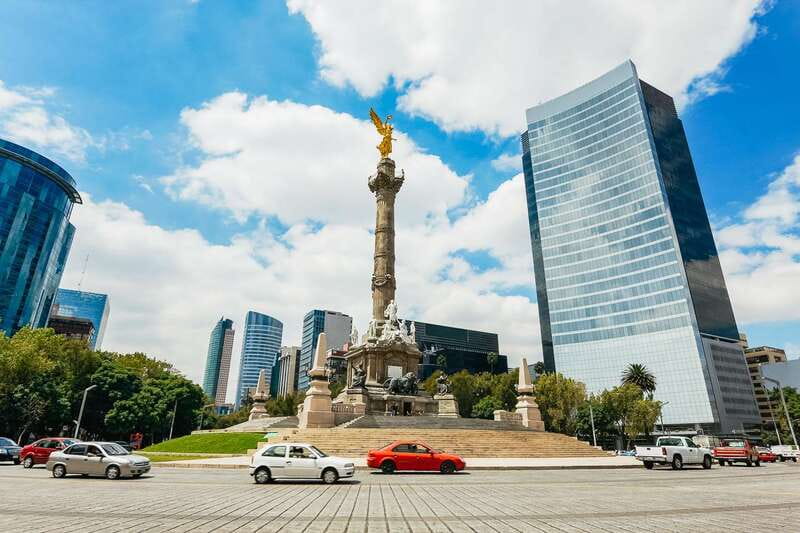
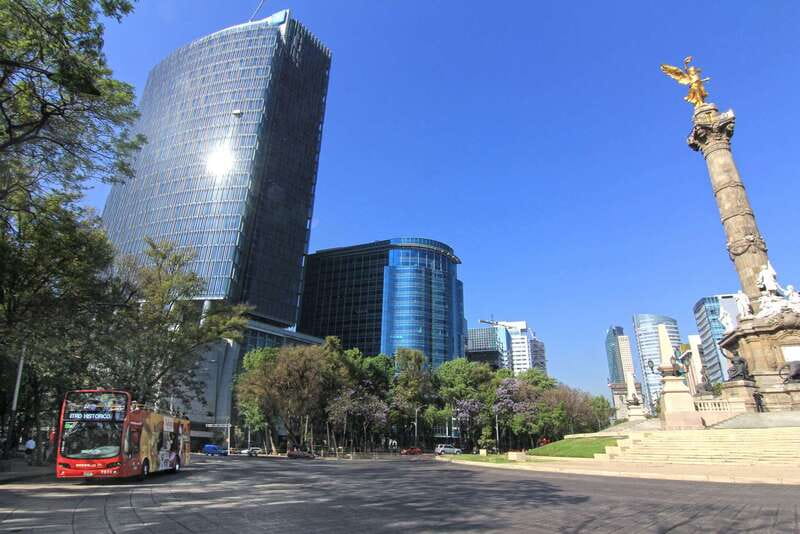
The route begins around Auditorio and moves through the cultural corridor near the Museum of Modern Art, Condesa, Plaza Madrid at Cibeles, Casa Lamm, and the Angel of Independence. These stops help you see how Mexico City shifts from formal avenues and museums to leafy residential districts and busy commercial areas.
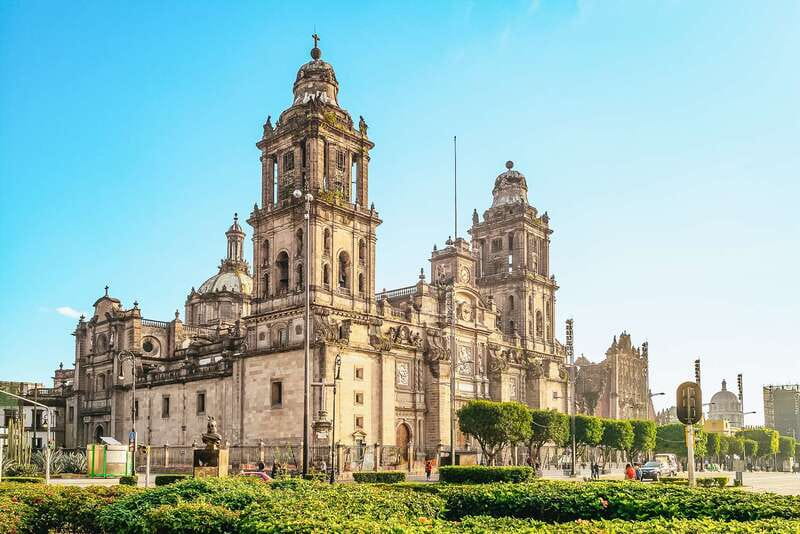
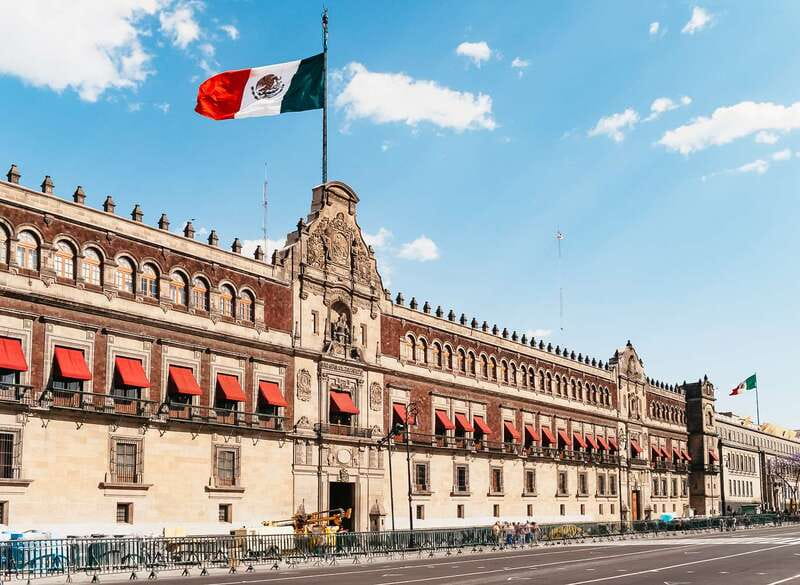
Further along, you pass Reforma 222, the Wax Museum and Ripley’s, the Columbus monument area, the Hemiciclo a Juárez, and the Zócalo. The Zócalo is the key stop. It is Mexico City’s central public square and the best place on this circuit to get off for architecture, food, and a close look at the capital’s public life.
From the Zócalo, the route continues toward Plaza Manuel Tolsá, the Franz Mayer Museum, the Monument to the Revolution, the Museum of San Carlos, and the Reforma-Insurgentes area. It then returns through the Independence Monument, Reforma Río de la Plata, and the National Museum of Anthropology.
I would use this route in two ways. First, ride a complete section to get your bearings. Then get off at the Zócalo, the Monument to the Revolution, or the Anthropology Museum and spend real time there. The audio commentary can point out details you might miss from street level, but it cannot replace visiting the museums themselves.
The Centro circuit is also the most forgiving route for a short visit because the buses come more often. Even here, allow for traffic. The advertised schedule is approximate, and the bus may run late when roads are crowded or events affect Reforma.
Route 2: Polanco is about museums, shopping, and modern design

The Polanco route is shorter, with seven stops, but it serves a different purpose. It runs from Auditorio at set times: 10 a.m., 11:30 a.m., 1 p.m., 2:30 p.m., 4 p.m., and 5:30 p.m.
This is the route for polished shopping streets, modern buildings, and major museums. Stops include Arquímedes and Campos Elíseos, Masaryk and Moliere, Antara shopping center, the Soumaya Museum, Hipódromo and Granja Las Américas, and the Papalote Children’s Museum.
The Soumaya Museum is the obvious reason to use this circuit. The building itself is one of the city’s most striking modern forms, and its location makes the Polanco route useful even if you are not planning a full museum day. Papalote is aimed at children, so families may get more from this route than from a long Centro ride.
The main issue is frequency. This is not a turn-up-and-wait service in the same way as the Centro route. Check the departure times and plan your stops around them. If you hop off for shopping or a museum, you may have a longer wait for the next bus.
Polanco is also easy to combine with the Centro route near Auditorio and Reforma. That makes it a sensible half-day addition, but not necessarily the best circuit to begin with if you have never seen Mexico City.
Route 3: The South route reaches Coyoacán and UNAM
The South route is the most useful circuit for visitors who want more than central Mexico City. It runs daily from 11 a.m. to 7 p.m., with service described as roughly every hour or every hour and a half.
Its 19 stops include the Fuente de Cibeles, Mercado Roma, the World Trade Center, Torre Manacar on Insurgentes, the Frida Kahlo Museum, the historic center of Coyoacán, Avenida de la Paz, the San Ángel Cultural Center, and the university area.
The route also reaches the Estadio de Ciudad Universitaria, the botanical garden, Perisur shopping center, KidZania Cuicuilco, UNAM’s Rectoría, Plaza Oasis Coyoacán, Mercado Roma Coyoacán, and Fonart. That is a lot of ground. The circuit gives you access to places with very different moods, from urban commercial districts to older neighborhoods and university buildings.
Coyoacán is the main draw. The stops around the Frida Kahlo Museum and historic Coyoacán let you plan a visit to the museum, then continue toward plazas and markets. Check the stop location carefully. The Frida Kahlo stop has been reported as about 75 meters from the museum rather than directly at its entrance.
Do not underestimate the time. Traffic on the southern route can be heavy, and getting from a Reforma or Polanco hotel to the Frida Kahlo area can take a large part of the morning. One practical plan is to start the South route early in its operating window, then use the Centro route later. Trying to complete the entire South circuit and all of Centro in one day can leave you mostly sitting on buses.
The South route is valuable because it acts as transport between districts, but it is less convenient for spontaneous hopping. Note the departure time before you get off, and ask the staff on board when the next bus is expected. Traffic can change the answer, but it is better than guessing.
A few other Mexico City days to price up
- Mexico City: Teotihuacan Early or Afternoon Access Tour
★ 4.6 · 1,547 reviews - Historic Center Food Tour in Mexico City
★ 5.0 · 1,263 reviews - The best tour to Teotihuacán from Mexico City
★ 5.0 · 1,236 reviews - From Mexico City: Puebla, Cholula and Tonantzintla Day Trip
★ 4.3 · 1,191 reviews
Route 4: The Basilica circuit adds religious and older Mexico City
The Basilica route connects four stops: the Zócalo, Garibaldi, the Basilica of Guadalupe, and the Palacio de los Condes de Miravalle. It departs from the Zócalo at 10 a.m., 11:30 a.m., 1 p.m., 2:30 p.m., 4 p.m., and 5:30 p.m.
This is the route to choose if the Basilica of Guadalupe is a priority. The journey links pre-Hispanic, colonial, and modern parts of the capital, giving the route a clear historical theme rather than a shopping or museum focus.
Garibaldi adds music and public-square culture, while the Basilica is the major stop. If your main goal is the shrine, allow enough time to get off and visit properly instead of trying to squeeze it into a rushed loop.
Because the route has only a few stops and fixed departures, it works best as a planned outing from the Zócalo. It is not the route I would choose for casual sightseeing if your time is short, but it adds an important part of Mexico City that the Centro and Polanco circuits do not cover.
Audio commentary: useful, but bring your own earphones
The bus includes a multilingual digital audio system in Spanish, English, German, French, Italian, Chinese, Japanese, Portuguese, and Russian. There is also a special channel for children.
The commentary helps you understand the city as you pass from pre-Hispanic sites and colonial buildings to modern avenues and neighborhoods. It is especially handy when you are riding a full circuit and want context without hiring a private guide.
The weak spot is sound. On some buses, the Spanish version played through the main speakers is loud enough to interfere with the English channel. Street noise adds to the problem, and some audio segments may end before the explanation is finished. Headphone jacks also do not work perfectly on every bus.
Bring your own standard earphones if you have them. Ask for the non-Spanish channel when boarding, and sit away from the overhead speakers. The driver or assistant may announce stops in Spanish, so keep an eye on your route map and listen for the stop names.
A few named guides, including Estefania, Cristian, Diane, Lillie, and Ellie, have received warm praise for their help on particular departures. Still, the experience is built mainly around recorded commentary, so the quality of any live assistance can vary by bus and day.
Planning one day or two
A one-day ticket is enough for a broad overview. I would choose the Centro route in the morning, get off at the Zócalo or a museum, and then add either Polanco or the Basilica if the schedule works.
You will not realistically explore all four routes in depth in one day. Traffic, fixed departure times, lunch, and museum visits quickly use up the hours between 9 a.m. and 7 p.m.
A two-day ticket is the better choice if you want to visit the Frida Kahlo Museum area, Coyoacán, or the Basilica without rushing. Use one day for Centro and Polanco, then reserve the second for the South and Basilica routes.
The pass is valid for one or two days, depending on the option you choose. Since the same bracelet covers every route, you do not need to decide the entire plan before boarding. You can begin at any listed stop by showing your printed or electronic voucher.
Price, comfort, and practical limits
At $21 per person, the tour compares well with paying for separate rides across several districts. It is especially good value when you use the bus as a moving city tour and as a way to reach your next neighborhood.
It is less valuable if you plan to stay in one area all day. If you are spending the day entirely around the Zócalo, walking may give you more control. If you are visiting museums with timed tickets, allow generous margins because the bus cannot promise exact arrival times.
There are no restrooms on board, and food and drinks are not included. Plan bathroom and meal breaks during your stops. The open top is enjoyable, but bring sun protection and choose your seat with the weather in mind.
Schedules are daily, but traffic can affect frequency and trip length. Some stops may be hard to identify, and signs are not always obvious. Look for Turibus markers, confirm the stop with staff, and avoid assuming that the bus will arrive exactly on schedule.
The tour is wheelchair accessible, though the open-top design and crowded city streets can still make boarding conditions vary. Children under three ride free on a parent’s lap.
Who should book this Mexico City bus tour?
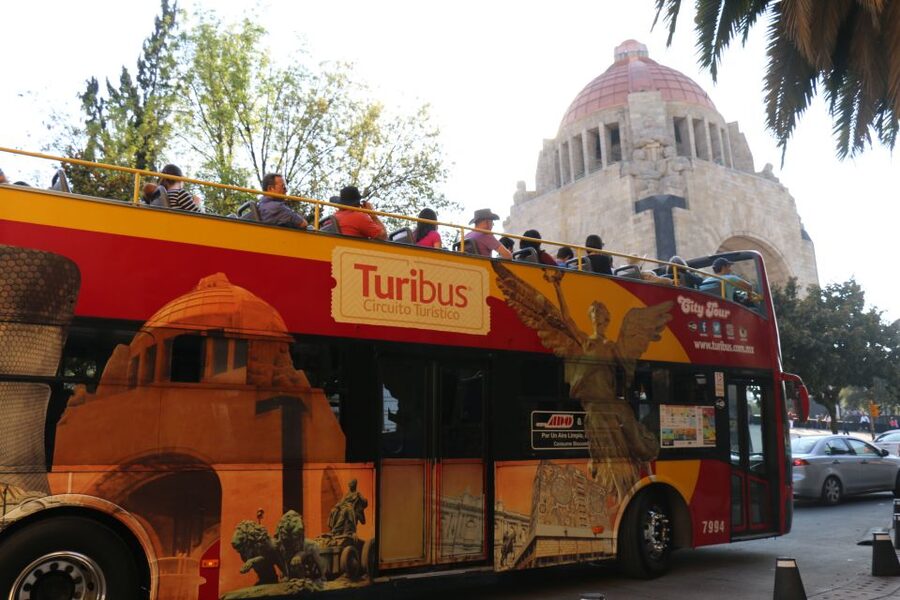
I would recommend it to first-time visitors who want to understand the shape of Mexico City before choosing where to spend more time. It also suits families, older visitors, and anyone who wants a break from long walks.
It works well for museum fans because the routes pass the Anthropology Museum, Modern Art Museum, Soumaya, Franz Mayer, Frida Kahlo Museum, and Papalote. You still need to arrange museum admission separately, but the bus helps you connect the areas.
It is not ideal if you need precise travel times or dislike sitting in traffic. You should also skip the one-day option if your goal is to get off at many stops and explore each neighborhood properly.
Should you book it?
Book this tour if you want a low-cost orientation to Mexico City, easy access to several districts, and the freedom to change your plan during the day. The Centro route alone can justify the ticket, and the South route adds real value if you want Coyoacán and UNAM.
Choose two days if you want to include all four circuits. For one day, prioritize Centro, then add either Polanco or the Basilica. Bring earphones, avoid the hottest part of the afternoon on the upper deck, and treat the timetable as approximate. With those limits in mind, this is a practical first step into a huge and fascinating capital.
FAQ
How much does the Mexico City hop-on hop-off bus tour cost?
The listed price is $21 per person.
Is the ticket valid for one or two days?
You can choose a one-day or two-day ticket, subject to availability.
How many routes are included?
All four routes are included with one bracelet: Historic Downtown, Polanco, South, and Basilica.
Where can I start the tour?
You can begin at any of the tour stops by showing your printed or electronic voucher when boarding.
What are the operating hours?
The Historic Downtown route runs daily from 9 a.m. to 7 p.m. The South route runs daily from 11 a.m. to 7 p.m. Polanco and Basilica use scheduled departures during the day.
How often do the buses run?
The Historic Downtown route runs about every 30 minutes. The South route runs about every hour to 90 minutes. Polanco and Basilica operate at listed departure times.
Is an audio guide included?
Yes. The digital audio system includes Spanish, English, German, French, Italian, Chinese, Japanese, Portuguese, and Russian, plus a children’s channel.
Are children under three charged?
Children up to age three travel free, but they must sit on a parent’s lap.
Is the bus wheelchair accessible?
Yes, the experience is listed as wheelchair accessible. The buses are open-top double-deckers and do not have restrooms.
New on the Mexico City list
- Day of the Dead Tour in San Andres Míxquic From Mexico City★ 3.7 · 52 reviews
- Half-Day Tour to Teotihuacan Pyramids from Mexico City★ 5.0 · 53 reviews
- Xochimilco floating gardens, Coyoacan and UNAM murals★ 4.0 · 53 reviews
- Guided Tour of Coyoacan and Leon Trotsky Museum★ 5.0 · 53 reviews
- Gay Side of History through Plazas & Temples★ 4.5 · 53 reviews
- Flavors of Mexico City: A Tasty Urban Expedition★ 4.5 · 53 reviews
- Butterfly Monarch Tour from Mexico City★ 5.0 · 53 reviews
- From Mexico City: Cholula Pyramid & Puebla Small Group Tour★ 4.6 · 54 reviews
Mexico City Tours, compared.
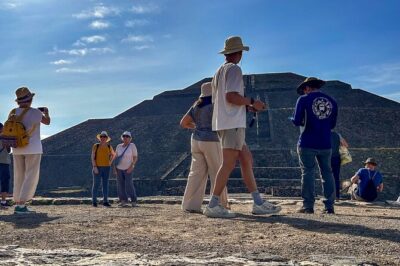
Teotihuacan, Guadalupe Shrine & Tlatelolco Day Tour with Lunch
Read our review →
Xochimilco, Coyoacan and Frida Kahlo with Optional Lunch
Read our review →
Balloon flight + Breakfast in cave + Pyramids + Pick up CDMX.
Read our review →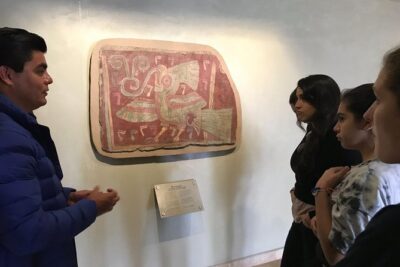
Teotihuacan pyramids morning or afternoon without tourist traps
Read our review →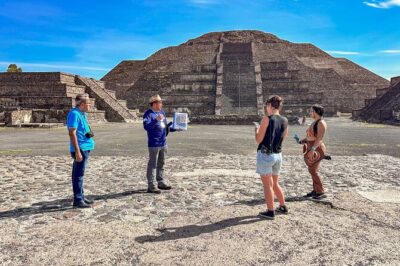
Teotihuacan Early Access Guided Tour with optional Lunch
Read our review →
Balloon flight + pick up in CDMX + Breakfast in Cave + Pyramids
Read our review →
Balloon Flight + Cave Breakfast + Pick Up from CDMX or We Fly
Read our review →
Teotihuacan, Tlatelolco & Guadalupe Shrine Tour
Read our review →Browse the lists this tour appears in