
Reviewed · MEXICO CITY TOURS
Mexico City: Old Town Food Tour of 7 Tastings & Secret Dish
Mexico City’s best food lesson may come one bite at a time. This three-hour tour moves through the Centro Histórico, from an open-air market to a local taquería, bakery, and chocolate stop, pairing familiar Mexican dishes with the stories behind them. The food is the main event, but the streets and old buildings give the meal a useful sense of place.
I like two things right away: you get a wide range of dishes rather than one long meal, and the stops are chosen to show how locals eat, including market food and tacos with lime and salsa. Guides such as Andy, Carlo, and Diana also add short lessons about ingredients, architecture, and Mexico City’s past. Come hungry, though, because the portions are plentiful and the walking is steady.
The main consideration is that this is not a gentle stroll with a few samples. You may eat eight or more items, drink beer and agua fresca, and walk through busy central streets. The tour is not suitable for wheelchair users or people with mobility impairments, and the menu can change with weather or a stop’s availability.
Key points at a glance
- Aztec-style chilaquiles begin the meal: Start with one of Mexico’s classic breakfast dishes in a local market setting.
- Mole gives the tour historical depth: Chicken enchiladas come covered in a complex sauce made with many ingredients.
- The market stop feels practical: Fresh tortillas, crisp totopos, and guacamole show you food in its everyday setting.
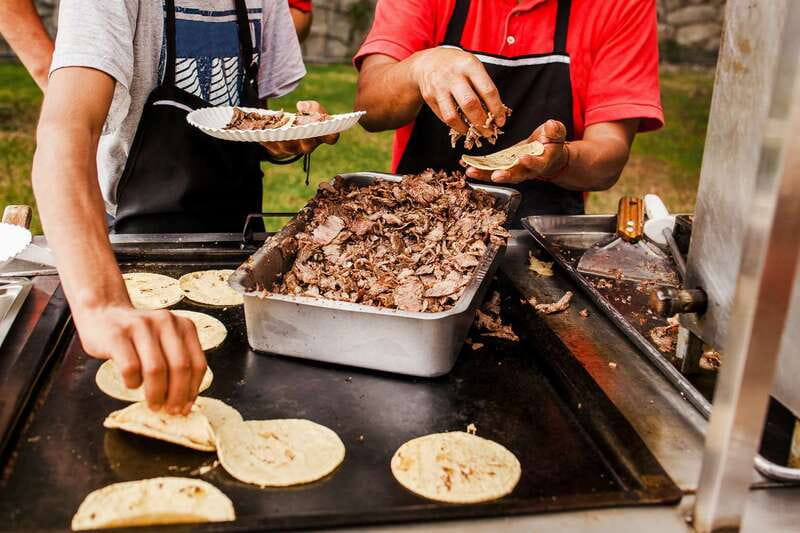
- Tacos are served the local way: Expect a taquería stop with lime and salsas, plus the chance to try pastor.
- The sweet stops are varied: A traditional bakery, artisanal chocolate, churros, and possibly other treats round out the route.
- Your guide shapes the experience: Andy, Carlo, and Diana have been praised for clear food explanations, city stories, and useful recommendations.
Why this food walk works in Mexico City’s Old Town
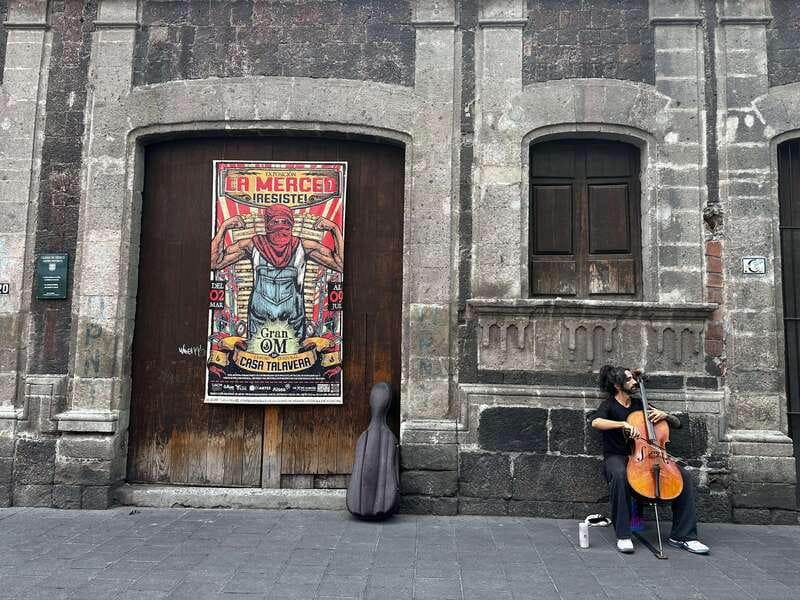
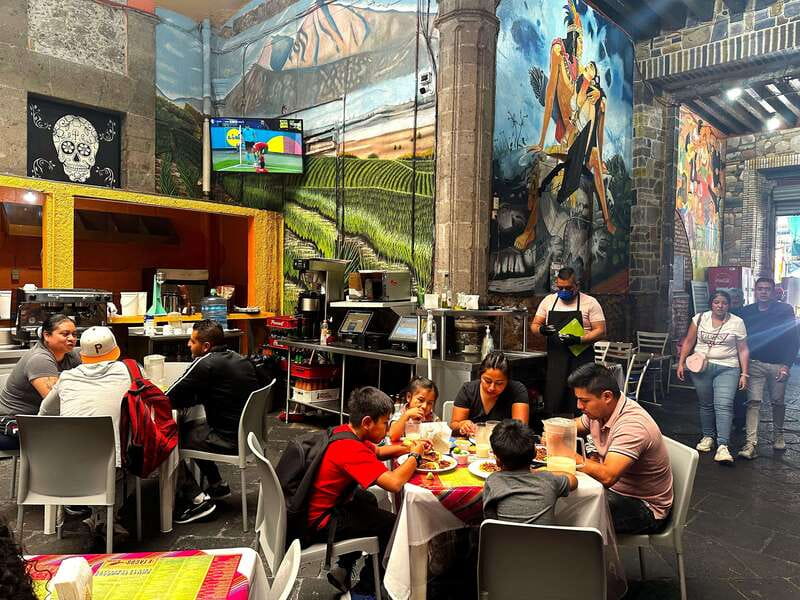
Mexico City’s Centro Histórico can feel like several cities layered together. Grand civic buildings, old churches, shopping arcades, markets, subway entrances, and small food businesses all share the same streets. That makes it a good place for a food tour, since a short walk can shift you from a formal plaza to a counter serving tacos.
This experience uses that contrast well. Instead of placing you in one restaurant for three hours, it links several types of stops. You get breakfast food, a sauced dish, market snacks, tacos, pastries, chocolate, drinks, and a secret dish. I find that format more useful than a standard restaurant meal when you are still figuring out what you like in Mexican cooking.
The tour is conducted in English, and the guides do more than point at a plate. Andy has been praised for explaining both the food and the city. Carlo is described as passionate about Mexico City and good at connecting dishes with local stories. Diana is often singled out for her warmth, ingredient explanations, and practical recommendations for places to eat later.
Guide assignments can change, so you should not book on the assumption that one particular person will lead your departure. Still, the repeated names and strong comments about all three suggest that the guiding style is an important part of the experience.
More City Tours in Mexico City
- Mexico City: Teotihuacan, Tlatelolco & Guadalupe Shrine Tour
★ 4.6 · 3,773 reviews - Teotihuacan Hot Air Balloon Flight from Mexico City / Volare
★ 5.0 · 3,262 reviews - Teotihuacan Private Tour from Mexico City
★ 5.0 · 1,890 reviews
Starting with chilaquiles in the market
The first major tasting is Aztec-style chilaquiles, served in an open-air market. Chilaquiles are a familiar Mexican breakfast: tortilla pieces are cooked or softened in salsa and commonly served with additional toppings. Here, the dish gives you an early introduction to how Mexico makes a meal from simple, well-used ingredients.
The market setting matters. You are not just tasting a polished restaurant version in a quiet dining room. You are beginning in a place where food is bought, prepared, and eaten as part of daily life. That can make the first plate feel more connected to the city around you.
I also like the timing. Starting with chilaquiles gives you something substantial before the parade of later samples. If you arrive after a large breakfast, you may enjoy the flavors but struggle with the quantity. The advice to come with a good appetite is not decoration.
A market can also be noisy and crowded, and the exact location or dish may shift. The operator notes that the route depends on availability and other conditions. Think of this as a working food stop, not a staged culinary display.
Mole, enchiladas, and the story in the sauce
Next comes chicken enchiladas with mole. Mole is one of the dishes that makes Mexican cooking difficult to reduce to a single flavor. The sauce can include many ingredients, with layers of spice, sweetness, savoriness, and texture. The guide explains the ingredients and preparation, helping you understand why mole is treated as more than an ordinary topping.
The enchiladas also provide a useful contrast with the opening dish. Chilaquiles are casual and breakfast-oriented. Enchiladas with mole feel more like a composed plate, even though both rely on tortillas and salsa-based cooking. That progression shows how Mexican food can move between everyday comfort and celebratory cooking without drawing a hard line between the two.
You should listen closely at this stop. The value is not only in tasting the sauce but in learning how food traditions connect to Mexico’s long cultural past. Guides have been praised for explaining where dishes come from and how culture has shaped what appears on the plate.
Mole can be a strong flavor, and not everyone likes every ingredient in a complex sauce. If you have allergies or dietary restrictions, contact the operator before the tour. The menu may be adjusted as well as possible, but you should not wait until the group is already eating.
Totopos, guacamole, and a market lesson
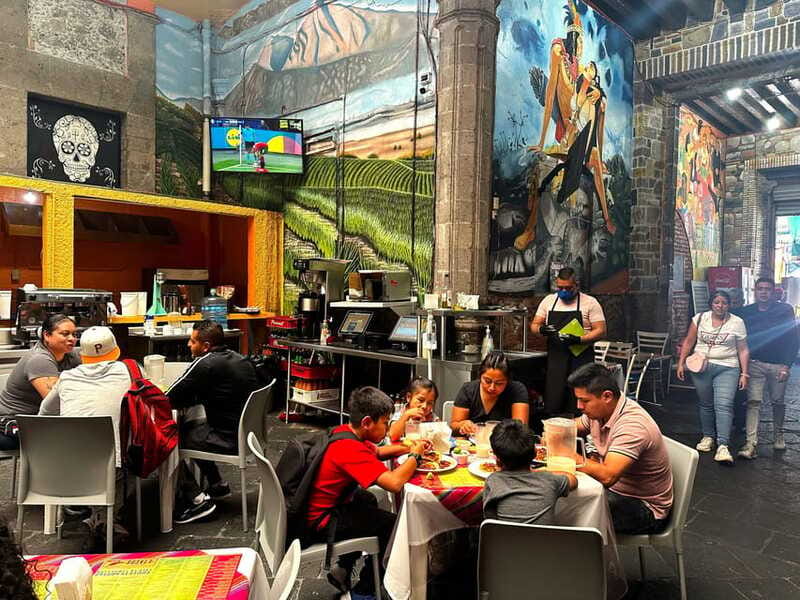
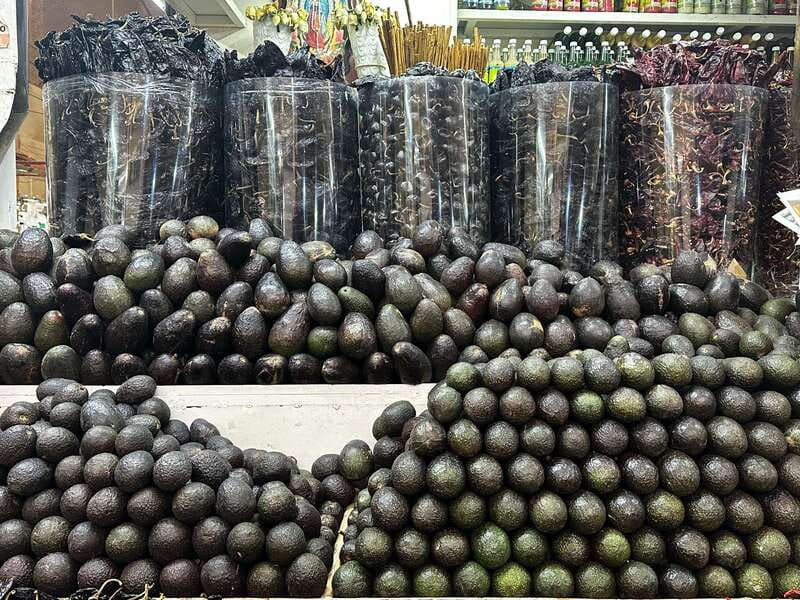
A later stop features homemade crispy totopos with fresh guacamole. Totopos are tortilla pieces that have been toasted or fried, and they provide the crunch for the soft avocado mixture. This is a simple tasting, but it is a good reminder that some of Mexico’s most familiar foods are built around freshness and texture.
The setting again helps. You are tasting guacamole in Mexico, alongside tortillas made from local ingredients and served in a place used by residents. That does not automatically make every bite better, but it gives the food a clearer context than a generic appetizer at a hotel bar.
For me, this is also the kind of stop that helps a first-time visitor gain confidence. A guide can explain the salsas, show you how to use lime, and make the customs of a market feel less uncertain. One person specifically noted that the tour gave them more confidence to eat in markets afterward.
Do not expect a long sit-down here. This is a tasting during a walking route, so keep your hands free and wear shoes that can handle several hours on pavement.
More Food Tours in Mexico City
- Historic Center Food Tour in Mexico City
★ 5.0 · 1,263 reviews - Polanco Food Tour: The Bestselling Food Adventure in Mexico City
★ 5.0 · 881 reviews - Colonia Roma Food Tour
★ 5.0 · 838 reviews - Mexico City Historical Centre Food Tour with 7 Authentic Tastings
★ 5.0 · 723 reviews
Tacos at a local taquería
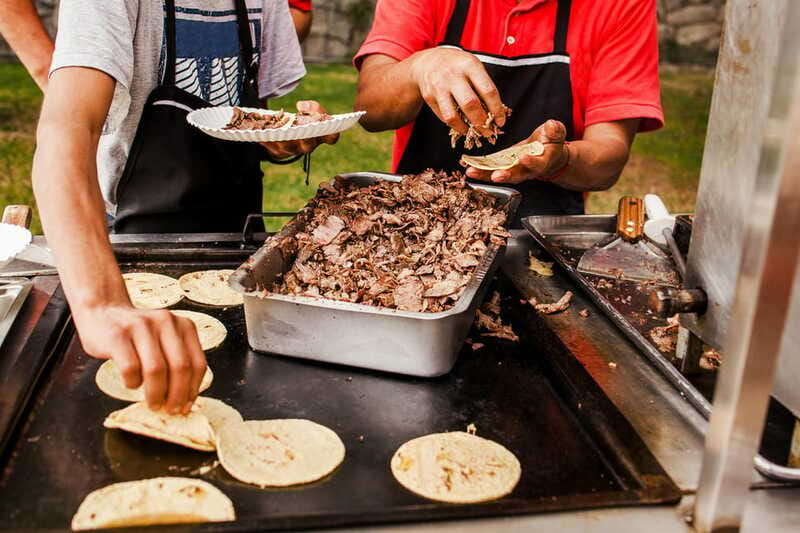
No Mexico City food tour can skip tacos, and this one includes a stop at a local taquería. The listed tasting includes tacos with fresh limes and salsas, and one account particularly enjoyed the pastor taco. You may receive more than one taco stop depending on the running route and menu, but the exact sequence can change.
This stop is likely to be the most instantly familiar and the most useful for your own meals later. Tacos are not meant to be complicated. You add lime, choose a salsa, and pay attention to how the meat, tortilla, onion, and herbs work together. The guide can help you understand the choices without making the process feel formal.
I like that tacos arrive after several other flavors. By this point, you have tasted salsa, mole, avocado, and tortilla in different forms. You can compare the direct, smoky appeal of a taco with the slower, more layered taste of mole.
A taquería can be a quick and crowded stop. If you need a leisurely meal or dislike eating while standing or sharing a busy room, this portion may feel less relaxed. The benefit is authenticity and variety, not privacy.
Pan dulce, churros, and Mexican chocolate
The tour shifts sweet at a traditional panadería, where you taste a freshly baked Mexican pastry. Mexican bakeries are known for a broad range of pan dulce, and the fun is often in the shape, texture, and display as much as in the sugar. The exact pastry is not fixed in the information provided, so expect a bakery selection rather than a guaranteed named item.
This is a welcome pause after the savory food. It also shows another part of ordinary city life. A bakery stop feels different from a restaurant dessert because it connects you with a place people use for a quick breakfast, afternoon treat, or take-home box.
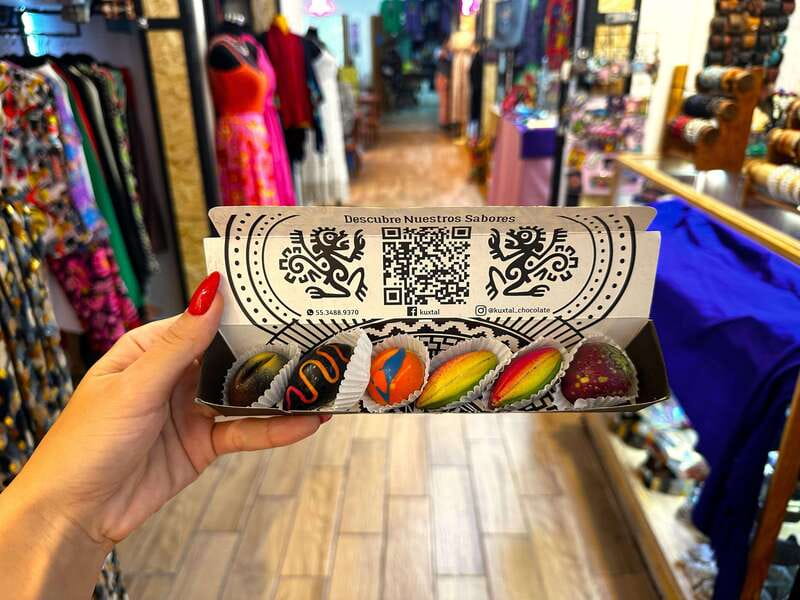
The final listed sweet is an artisanal Mexican chocolate bite. Cocoa has deep roots in Mesoamerica, so this small sample links the tour back to the region’s older food traditions. It is a modest portion, but that is sensible after chilaquiles, enchiladas, totopos, tacos, and the secret dish.
A past route also included churros and several dessert tastings. You should treat that as a sign that the sweet portion can vary, not as a promise of a fixed dessert count. The menu is subject to change when locations, weather, or local conditions require it.
The secret dish and included drinks
The surprise dish is deliberately not named. That is part of the fun, especially if you already know Mexican food and want one moment without advance spoilers. It also gives the guide room to use a seasonal item or a dish that does not fit neatly into the announced list.
The included drinks make the $74 price easier to assess. You receive a refreshing Mexican agua fresca, a glass of local beer, water, and non-alcoholic options. That means you are not paying for the food alone, though the value still depends on how much you eat and how much context you want.
Eight or more tastings over three hours can add up quickly if purchased separately, especially when you include a full plate of chilaquiles, enchiladas, tacos, sweets, and drinks. The tour also removes the guesswork of choosing safe or worthwhile places in an unfamiliar center. You are paying for access, organization, explanations, and the chance to try several small servings without ordering full portions everywhere.
At the same time, $74 is not a bargain street-food lunch. If your main goal is simply to eat the least expensive tacos possible, you can spend less on your own. I see the price as fair for a first visit, particularly if you value guidance and want a meal large enough to replace lunch.
Walking through the Centro Histórico between bites
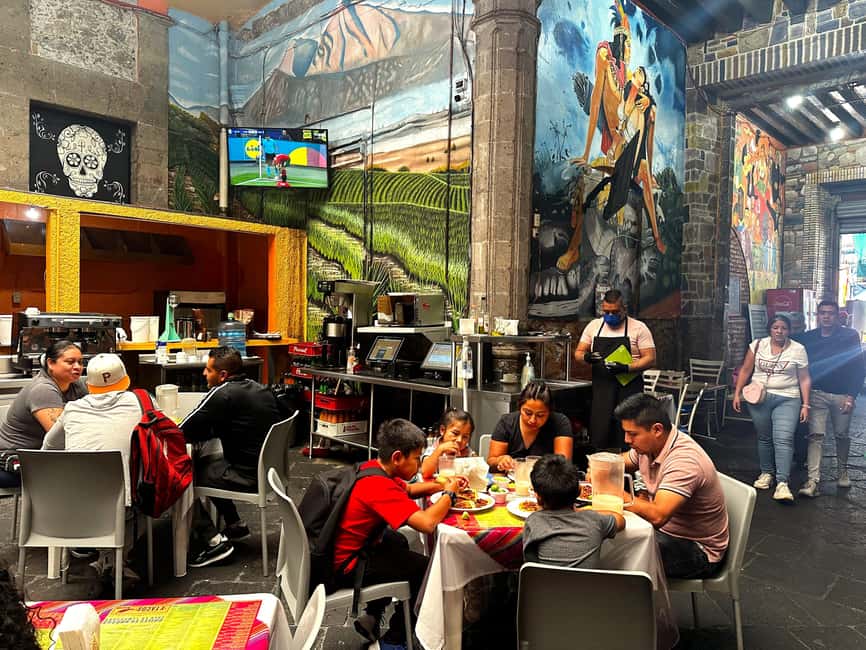
Food is the focus, but the walking links the tastings to Mexico City itself. The route begins at Izazaga S/N at the corner of José María Pino Suárez, outside the subway, under the screen in front of the stairs. This is a practical meeting point, but it may feel confusing in the flow of central-city foot traffic, so arrive with the location details saved.
The route passes through the Zócalo area and shopping arcades, with guides stopping to explain parts of the city’s architecture and past. These short talks are useful because they do not separate food from place. The dish in front of you and the street under your feet become part of the same lesson.
Expect a fair amount of walking. The activity lasts three hours, but the food stops do not mean you are seated for most of that time. Comfortable shoes are essential, and a stroller is not allowed. The tour is not suitable for wheelchair users or people with mobility impairments.
Since the itinerary can change, do not plan a tightly timed museum visit immediately afterward. The meal is plentiful enough that you may want a quiet afternoon, and one earlier account even described needing to sleep after the tour.
Guides who add more than food facts
The strongest part of this experience is the guide-led format. Andy is repeatedly described as enthusiastic, friendly, and good at explaining food history. Carlo is praised for combining city stories with local dishes and for helping families during the walk. Diana receives similar credit for clear explanations, warmth, and restaurant suggestions beyond the tour.
That consistency matters. A food tour can easily become a string of snacks with no connection between them. The guide gives you a reason to notice the difference between a tortilla, a totopo, an enchilada, and a taco, while also pointing out the places you pass.
One thoughtful touch from Diana was a small worry doll given at the end. It is not a reason to book the tour, but it shows the kind of personal gesture that can make a group experience feel less mechanical.
Group size is not stated, and one account notes that Andy handled a large group well. If you prefer an intimate tasting with lots of one-on-one attention, ask about the group setup before booking. The English-language guiding and repeated praise for the guides are strong advantages for first-time visitors, but the experience remains a group walk.
Who should book this food tour?
I would choose this tour for a first or second visit to Mexico City, especially if you want a broad introduction without spending days researching markets and taquerías. It is also a good fit if you want food paired with short lessons about the Centro Histórico rather than a restaurant-only experience.
It suits curious eaters who are willing to try several styles of Mexican food, including mole and market dishes. Families may find the format useful, although you should confirm dietary needs ahead of time and remember that the route does not suit strollers or people with limited mobility.
You may want a different plan if you have a very restrictive diet, dislike walking, or want a slow, seated meal. The operator asks you to share dietary requirements in advance, but the menu and locations are flexible rather than fully guaranteed.
Cancellation is free up to 24 hours before the start, and you can reserve now and pay later. Those terms are useful if your Mexico City schedule is still shifting, but the more important decision is appetite: this is a full food outing, not a light snack walk.
Should you book it?
Book it if you want to taste across the city’s food spectrum in one organized morning or afternoon. The mix of chilaquiles, mole, tacos, market tortillas, bakery food, chocolate, drinks, and a secret dish gives you a strong first look at Mexican cooking, while Andy, Carlo, or Diana can help you understand what you are eating.
Skip it if $74 feels too high for a meal, if you need full control over every dish, or if several hours of walking are a problem. For most first-time visitors who arrive hungry and want both food and local context, this is a practical, generous introduction to Mexico City’s Old Town.
FAQ
How long does the Mexico City Old Town food tour last?
The tour lasts three hours.
How much does the tour cost?
The price is $74 per person.
What food is included?
Included tastings are chilaquiles, chicken enchiladas with mole, crispy totopos with guacamole, tacos with fresh limes, a bakery sweet, artisanal Mexican chocolate, and a secret dish.
Are drinks included?
Yes. The tour includes agua fresca, a glass of local beer, water, and non-alcoholic options.
Where is the meeting point?
Meet at Izazaga S/N esquina, José María Pino Suárez, Centro, Cuauhtémoc, 06090 Ciudad de México, outside the subway, under the screen in front of the stairs.
Is the tour conducted in English?
Yes. The live tour guide speaks English.
Do I need to bring anything?
Bring comfortable shoes. The tour involves a fair amount of walking.
Can I bring a stroller or use a wheelchair?
Baby strollers are not allowed. The tour is not suitable for wheelchair users or people with mobility impairments.
Can the menu accommodate dietary requirements?
Contact the operator in advance with your dietary requirements so they can accommodate you as well as possible. The itinerary and menu may change based on availability, weather, and other circumstances.
New on the Mexico City list
- Day of the Dead Tour in San Andres Míxquic From Mexico City★ 3.7 · 52 reviews
- Half-Day Tour to Teotihuacan Pyramids from Mexico City★ 5.0 · 53 reviews
- Xochimilco floating gardens, Coyoacan and UNAM murals★ 4.0 · 53 reviews
- Guided Tour of Coyoacan and Leon Trotsky Museum★ 5.0 · 53 reviews
- Gay Side of History through Plazas & Temples★ 4.5 · 53 reviews
- Flavors of Mexico City: A Tasty Urban Expedition★ 4.5 · 53 reviews
- Butterfly Monarch Tour from Mexico City★ 5.0 · 53 reviews
- From Mexico City: Cholula Pyramid & Puebla Small Group Tour★ 4.6 · 54 reviews
Mexico City Tours, compared.
Teotihuacan, Guadalupe Shrine & Tlatelolco Day Tour with Lunch
Read our review →
Xochimilco, Coyoacan and Frida Kahlo with Optional Lunch
Read our review →
Balloon flight + Breakfast in cave + Pyramids + Pick up CDMX.
Read our review →
Teotihuacan pyramids morning or afternoon without tourist traps
Read our review →
Teotihuacan Early Access Guided Tour with optional Lunch
Read our review →
Balloon flight + pick up in CDMX + Breakfast in Cave + Pyramids
Read our review →
Balloon Flight + Cave Breakfast + Pick Up from CDMX or We Fly
Read our review →
Teotihuacan, Tlatelolco & Guadalupe Shrine Tour
Read our review →Browse the lists this tour appears in