
Reviewed · MEXICO CITY TOURS
Mexico City: Anthropology Museum Skip-the-Line Ticket
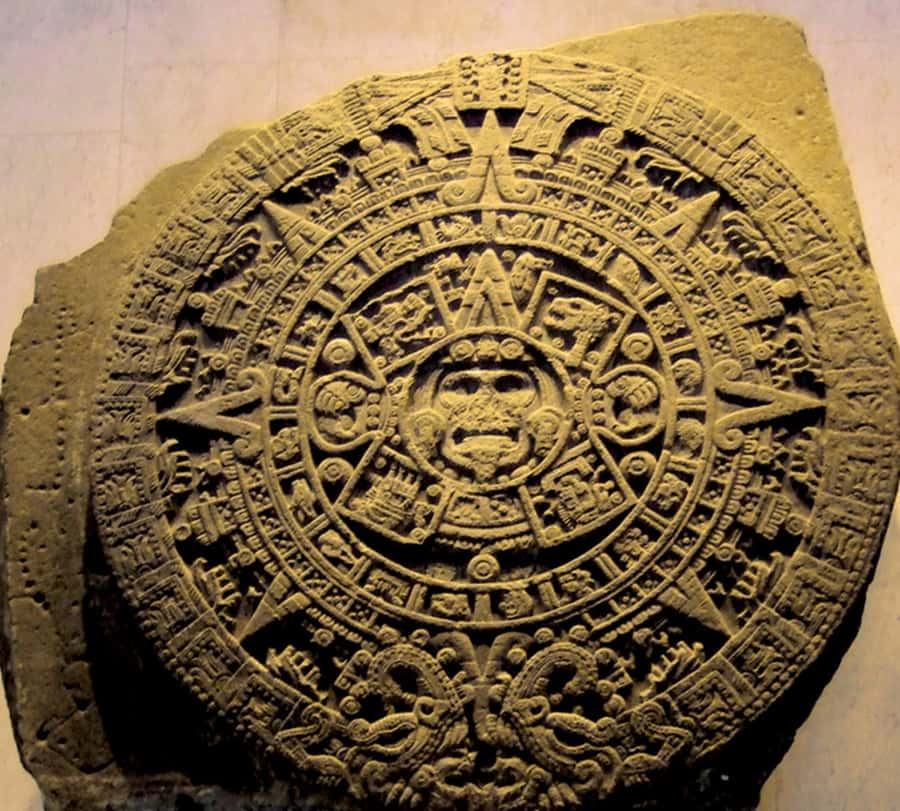
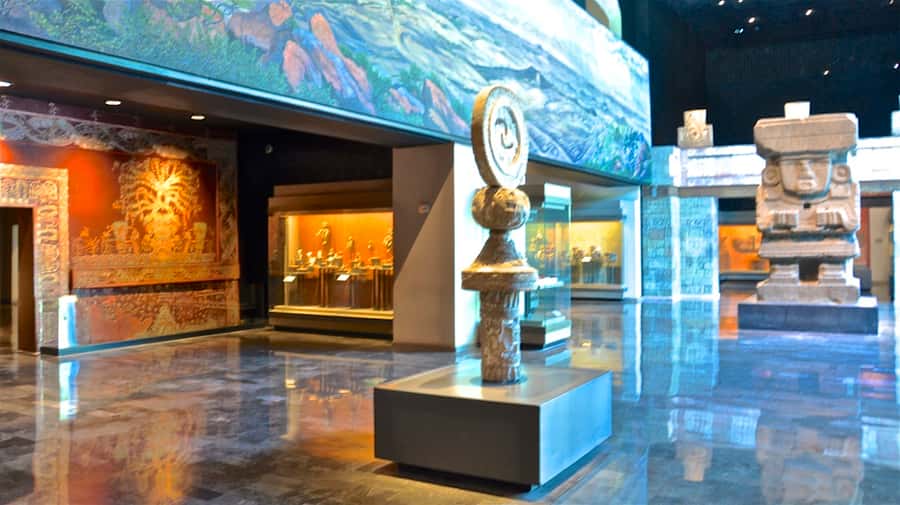
The National Museum of Anthropology is the place to see Mexico’s past gathered under one remarkable roof, from the famous Stone of the Sun to Maya, Toltec, and Mexica objects found across the country. The building itself is part of the experience, with broad galleries, an open garden, and outdoor displays that give the museum room to breathe.
I like the separate entrance, which can save useful time on a busy day, and I like the freedom to spend one full day here without being tied to a group schedule. The main drawback is that this is an entry ticket, not a guided visit. Some signs are in English, but much of the text is Spanish only, and the museum is so large that a guide or careful plan can make a big difference.
Key points to know before you go
- The Stone of the Sun is the headline object, but it is only one part of a much larger collection.
- You can explore Mayan, Toltec, Mexica, and other Indigenous cultures in rooms arranged by region and period.
- The garden and outdoor Maya displays deserve real time, not a quick walk past.
- Skip-the-line access is most useful on busy days, though it may save little when the ticket queue is short.
- No guide is included, so consider arranging one if you want more than labels and displays.
- Plan for several hours, since the museum can feel overwhelming if you try to see every room at once.
Why this museum matters in Mexico City
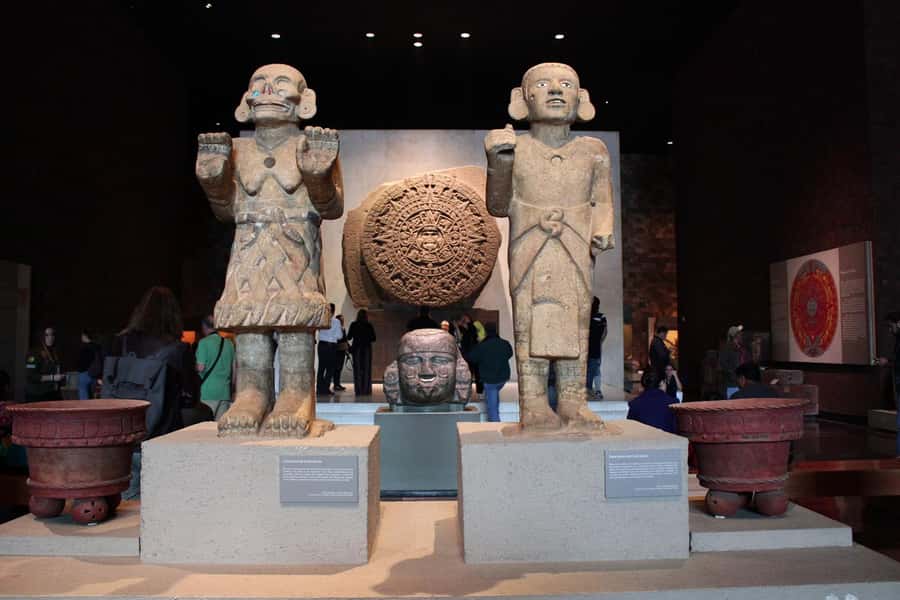
If you have time for only one major museum in Mexico City, this is an easy choice. The National Museum of Anthropology brings together objects from many parts of the country, helping you see Mexico as a collection of distinct cultures rather than one single ancient civilization.
That matters because the Mexica, Maya, Toltecs, and other peoples developed different cities, beliefs, artistic styles, and ways of living. The galleries let you compare them directly. You can move from monumental stonework to smaller household objects, models, ornaments, and tools that show how people lived day to day.
I also like that the museum presents Indigenous cultures as living parts of Mexico’s identity, not only as subjects from a distant past. The building was designed with symbolism in mind, and its architecture gives the collection a strong sense of place. You are not simply walking through a series of cases. You are moving through a carefully planned setting that connects objects, ideas, and national identity.
The museum is located in Greater Mexico City, and this activity does not include transportation. You make your own way there, then use the ticket to enter through the designated turnstiles rather than waiting at the ticket office.
More City Tours in Mexico City
- Mexico City: Teotihuacan, Tlatelolco & Guadalupe Shrine Tour
★ 4.6 · 3,773 reviews - Teotihuacan Hot Air Balloon Flight from Mexico City / Volare
★ 5.0 · 3,262 reviews - Teotihuacan Private Tour from Mexico City
★ 5.0 · 1,890 reviews
Entering with the skip-the-line ticket
The practical benefit of this ticket is simple: you avoid the regular ticket-office line and go directly to the turnstiles at the separate entrance. That can be handy if you have a guide booked for a fixed time, or if you are visiting during a crowded period and do not want to spend the first part of your morning standing around.
The value is less certain on a quiet day. One visit in February found almost no ticket line, and another visitor entered after waiting only about five to seven minutes. In those cases, the ticket saves convenience more than substantial time. At $15 per person, that distinction matters.
I would book it if you know the date and want a smooth arrival, especially during a busy travel period. If you are visiting at a quiet time and do not mind a short wait, buying admission at the museum may offer better value. The skip-the-line ticket is not a magic pass through every possible queue. If you want an audio guide or another service that has its own line, you may still need to wait there.
Pay close attention to the voucher instructions. One earlier visit reported that a printed voucher was required and that a phone code was not accepted. Other visits describe an easy digital entry, so the policy may change, but carrying a printed copy is a sensible backup.
The Stone of the Sun and the Mexica galleries
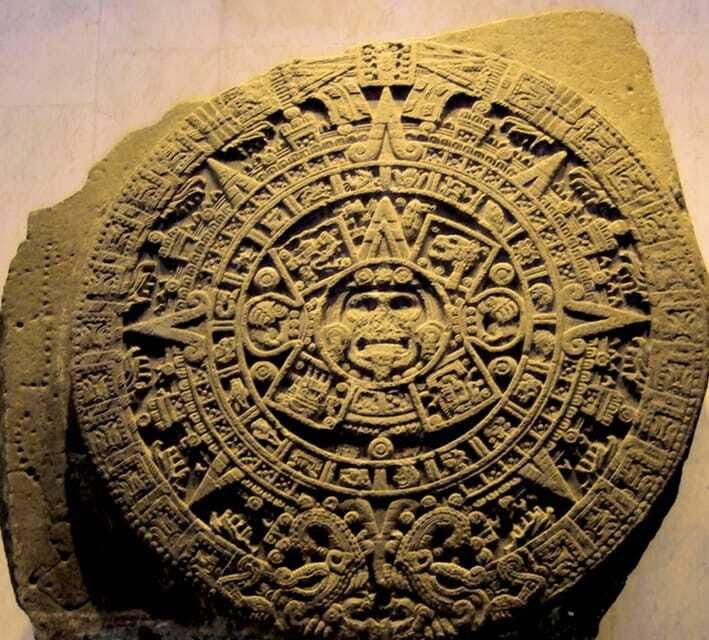
Most people begin with the Stone of the Sun, often called the Aztec calendar. It is the museum’s best-known object and a natural first stop, but it should not become the only thing you see.
The stone draws attention because of its size, carving, and familiar circular design. Take a moment to look beyond the central face and study the surrounding symbols. The object is easier to appreciate when you remember that the museum is not presenting it as a simple wall calendar. It belongs to a much larger world of Mexica belief, power, ritual, and timekeeping.
The Mexica rooms place that famous stone within a wider collection. You can see objects that help explain the society around it, from ceremonial pieces to representations of rulers, gods, animals, and daily life. Models and miniature scenes are especially useful if you find large stone monuments hard to read. They give you a more direct sense of how cities, temples, and communities may have been organized.
The museum is generous with information, but the amount can be tiring. I would not try to read every label. Pick the objects that catch your eye, then use the text to answer specific questions. This keeps the visit from turning into a long march through display cases.
Maya rooms and the open-air garden
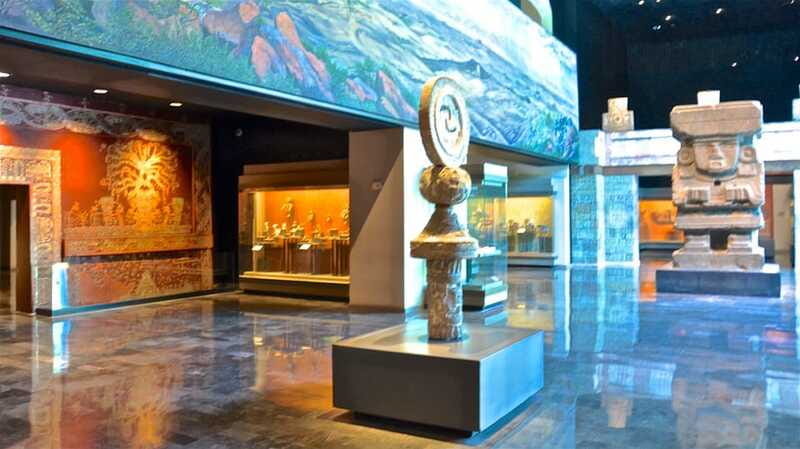
The Maya collection is one of the major reasons to allow several hours for this visit. The objects give you another way to think about ancient Mexico, with different visual forms and regional traditions from those in the Mexica galleries.
The outdoor area is just as important as the indoor rooms. Maya temple displays and other architectural elements give you scale and space that a gallery cannot. You can step outside, look back at the museum, and see how the building’s open design supports the collection.
I would save the garden for a point when you need a break from indoor exhibits, but do not leave it until the last five minutes. Outdoor displays are easy to skip when you are focused on famous objects, yet they add a strong physical sense to the visit. They also provide a change of pace for children and for anyone who finds several hours of galleries tiring.
Some English information is available for the major exhibits, but English coverage is not complete. You will find substantial English signage in key areas, while other labels and directions may be Spanish only. A little Spanish, a translation app, or a guide can make the visit easier.
More Museums in Mexico City
- CDMX: Xochimilco, Coyoacan, Frida Kahlo Museum & Murals Tour
★ 4.4 · 3,025 reviews - Chapultepec Castle & Anthropology Museum Tour
★ 4.5 · 1,348 reviews - Frida Kahlo VIP [Museum Tickets Included] Bike, Markets & Churros
★ 5.0 · 1,072 reviews - Anthropology Museum Guided Tour
★ 4.5 · 1,035 reviews
Toltec objects and Mexico’s many cultures
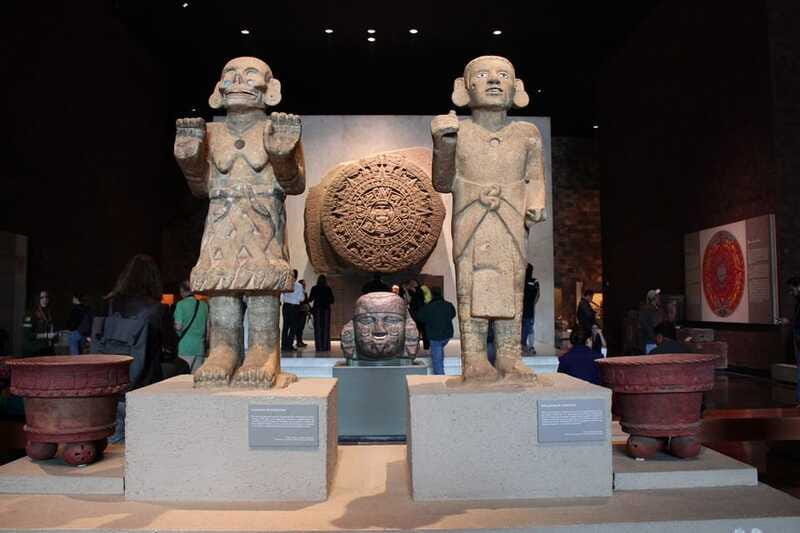
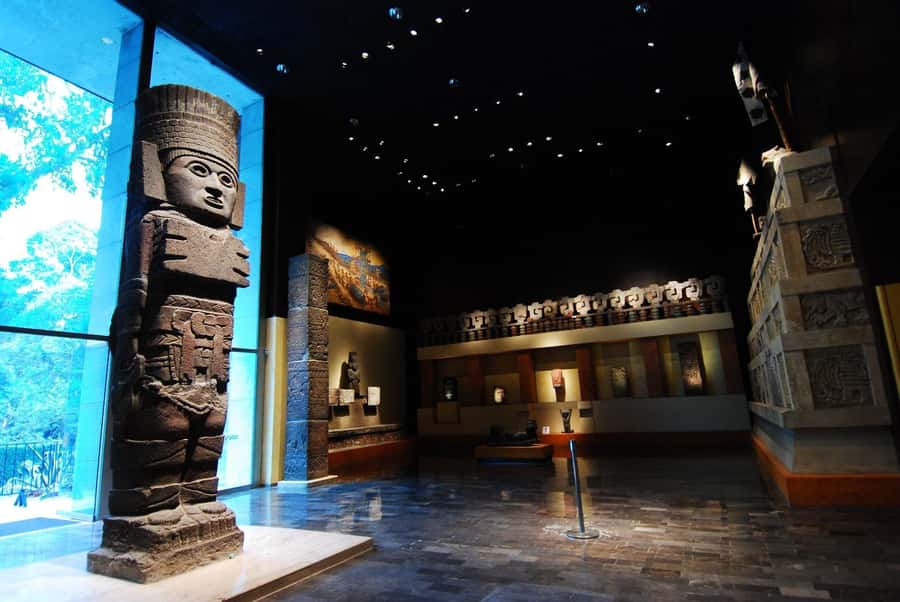
The museum’s strength is its range. You are not limited to one famous empire or one archaeological site. The collections cover cultures that developed across the large territory now known as Mexico.
The Toltec galleries add another piece to that picture. They help you see how artistic ideas and political traditions changed across time, rather than treating all pre-Hispanic objects as part of one story. The same is true of the rooms devoted to other Indigenous cultures. Each area adds local detail to the larger national story.
For me, this is where the museum becomes most useful for first-time visitors. You can see the broad outlines of ancient Mexico in a single visit, then note which cultures or objects you want to study later. The museum does not replace seeing archaeological sites in person, but it gives you a strong starting point before visiting places such as Teotihuacan or other historic sites around the country.
The displays also include smaller objects and models. These are easy to overlook beside giant sculptures, but they often offer the clearest clues about old ways of living. Miniatures, household items, and carefully made models help turn an abstract lesson into something more human and understandable.
How long should you spend inside?
Do not treat this as a one-hour stop. The ticket is valid for one day, and that is useful because the museum is large enough to exhaust your attention before you reach the end.
Four hours is a reasonable target if you want to see the main galleries, the Stone of the Sun, the Maya rooms, and the garden without rushing. Several hours may still not be enough for every room. If ancient Mexico is a main reason for your visit to Mexico City, you could easily plan a longer stay and accept that you will not read every label.
The museum can feel overwhelming, especially if you arrive without a plan. I suggest choosing three priorities before entering:
- The Stone of the Sun and the Mexica galleries
- The Maya rooms and outdoor displays
- One additional culture or subject that interests you
Then use the remaining time for smaller displays and the garden. This approach leaves room for curiosity without making the day feel like homework.
Going early can help if you want a quieter start and several hours inside. Still, the ticket is valid for one day rather than a tightly fixed short time slot, so you have flexibility to choose the part of the day that fits your schedule.
Why a guide can change the visit
This ticket includes no guide. That is good news if you enjoy setting your own pace, but it also means the museum asks more of you. The displays provide useful information, yet Spanish-only labels and a large layout can make it hard to build a clear story from room to room.
If you want more context, arrange a guide separately. Nadia, a Spanish-speaking guide, was praised for taking the visit beyond a surface look at the objects. Daniel was also singled out as a guide worth seeking if available. These names do not form part of this admission ticket, so confirm the guide arrangement before booking.
A guide is especially useful if you are visiting with family, have limited time, or want to understand how objects relate to one another. You can spend less time decoding labels and more time asking about the people, ideas, and rituals behind the displays.
On the other hand, I would not insist on a guide for every visitor. If you already know ancient Mexican history, read widely, or prefer quiet museum time, independent entry may suit you better. One visitor with a strong background in the subject found some information familiar, though still useful as a refresher.
The museum has also offered free guided tours in several languages on Tuesdays and Saturdays, according to one visit. Confirm the current schedule before relying on that option, since museum programs can change.
Food, coffee, and a sensible break
A museum this large needs a break, and the on-site restaurant and coffee shop make that easier. There is also a gift shop for books and souvenirs connected to Mexico’s art and cultures.
The food facilities matter because leaving the museum in the middle of a long visit can break your rhythm. A pause inside lets you return to the galleries while the day is still fresh. The café has also offered unusual local snacks, including chapulines, or grasshoppers, for those who want to try something distinctly Mexican.
I would not plan the museum only around its restaurant, but it is a useful part of the day. Have coffee, eat, or sit in the garden, then return to the exhibits with a clearer head.
Accessibility and practical comfort
The activity is listed as wheelchair accessible, which makes the ticket suitable for visitors who need step-free access. The museum’s broad layout and outdoor areas can also make the building feel less cramped than a tightly packed historic collection.
The main challenge is distance and stamina, not simply getting through the door. You may walk a lot between galleries, and the volume of material can be tiring. Plan pauses instead of trying to power through every room.
Because the ticket is for admission only, you should also think about what kind of visit you want before you book. The price covers entry and the separate entrance, but not transportation, a guide, or an audio guide. If you need any of those, add their cost and time to your plan.
Is the $15 ticket good value?
At $15, the ticket is fairly priced for a major museum visit, especially if you use the full day and spend several hours exploring. The collection is large, the building is memorable, and the garden adds more than you would get from a small indoor museum.
The skip-the-line part is where the value varies. On a crowded day, getting straight to the turnstiles can protect valuable sightseeing time. If the regular line is already short, the added cost may feel less worthwhile.
I would see this as a convenience purchase, not an essential upgrade. You are paying for a simpler arrival and flexible entry, not for a private experience or special access to the exhibits. The museum itself is the reason to go.
Who should book this experience?
This ticket fits you best if you want to visit independently, know your date, and prefer not to gamble on a long ticket-office queue. It also makes sense if you have arranged a separate guide and need to enter at a set time.
It is a strong choice for first-time visitors who want to see the major cultures of Mexico in one place. It also works well for returning visitors who already know which rooms they want to revisit.
You may want another option if you need transportation, a built-in guide, or a planned explanation of every major gallery. A museum-with-transportation product or a guided museum visit would better match those needs. If Frida Kahlo, Teotihuacan, or Chapultepec Castle is your main interest, choose an activity built around those places instead of expecting this ticket to cover them.
Should you book the skip-the-line ticket?
Yes, if you want a flexible, self-guided visit and value a quick entrance. The National Museum of Anthropology deserves several hours, and the Stone of the Sun, Maya displays, Toltec objects, garden, models, café, and architecture give you plenty to see for $15.
Book it with realistic expectations. You are buying admission, not a lesson, transport package, or audio tour. If the line is short, the ticket may save only a few minutes, and if you want the museum’s story explained clearly, arrange a guide separately. For the right visitor, this is a practical way to get inside one of Mexico City’s essential museums and spend the day exploring at your own pace.
FAQ
What does the Mexico City Anthropology Museum ticket include?
It includes skip-the-line admission to the National Museum of Anthropology through a separate entrance. A tour guide, transportation, and other extras are not included.
How long is the ticket valid?
The ticket is valid for one day. Check availability when booking for the available starting times.
Does the ticket include a guide?
No. This is an entry ticket only. You can visit independently or arrange a guide separately.
Can I cancel the ticket?
Yes. You can cancel up to 24 hours in advance for a full refund.
Do I have to pay when I book?
The activity offers a reserve-now-and-pay-later option, so you can book without paying immediately.
Is the museum wheelchair accessible?
Yes. The activity is listed as wheelchair accessible.
More Skip the Line in Mexico City
- Mexico City: Chapultepec Castle Skip-the-Line Ticket
★ 3.8 · 122 reviews - Teotihuacan Pyramids: Skip-the-Line Ticket
★ 3.8 · 98 reviews - Mexico City: Templo Mayor Skip-the-Line Entry Ticket
★ 4.2 · 96 reviews - Skip the Line Chichen Itza Private Tour, Sacred Cenote & Lunch
★ 5.0 · 1,089 reviews
New on the Mexico City list
- Day of the Dead Tour in San Andres Míxquic From Mexico City★ 3.7 · 52 reviews
- Half-Day Tour to Teotihuacan Pyramids from Mexico City★ 5.0 · 53 reviews
- Xochimilco floating gardens, Coyoacan and UNAM murals★ 4.0 · 53 reviews
- Guided Tour of Coyoacan and Leon Trotsky Museum★ 5.0 · 53 reviews
- Gay Side of History through Plazas & Temples★ 4.5 · 53 reviews
- Flavors of Mexico City: A Tasty Urban Expedition★ 4.5 · 53 reviews
- Butterfly Monarch Tour from Mexico City★ 5.0 · 53 reviews
- From Mexico City: Cholula Pyramid & Puebla Small Group Tour★ 4.6 · 54 reviews
Mexico City Tours, compared.
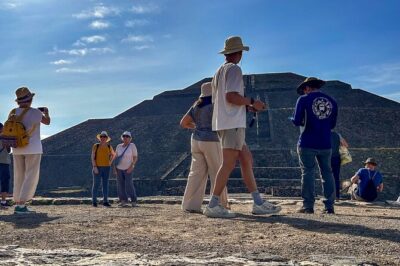
Teotihuacan, Guadalupe Shrine & Tlatelolco Day Tour with Lunch
Read our review →
Xochimilco, Coyoacan and Frida Kahlo with Optional Lunch
Read our review →
Balloon flight + Breakfast in cave + Pyramids + Pick up CDMX.
Read our review →
Teotihuacan pyramids morning or afternoon without tourist traps
Read our review →
Teotihuacan Early Access Guided Tour with optional Lunch
Read our review →
Balloon flight + pick up in CDMX + Breakfast in Cave + Pyramids
Read our review →
Balloon Flight + Cave Breakfast + Pick Up from CDMX or We Fly
Read our review →
Teotihuacan, Tlatelolco & Guadalupe Shrine Tour
Read our review →Browse the lists this tour appears in