
Reviewed · MEXICO CITY TOURS
Mexico City: Guided walking tour through the most historic parts of the city.
Mexico City’s historic center makes the most sense when you see its layers together. This three-hour walk moves from the Aztec capital beneath your feet to the Spanish colonial city and then to the grand public buildings of modern Mexico. The striking part is the constant collision of eras: ancient ruins beside a cathedral, a royal statue in a former colonial square, and grand 19th-century buildings along the same route.
I like the way the guides connect famous sights to ordinary city life, especially street food, public transport, and the small clues locals use when choosing where to eat. I also like the strong storytelling from guides such as Areli, Oscar, Laura, Alexia, and Luis, who bring in myths, political figures, artists, and everyday customs. The main drawback is that the tour covers a lot in three hours, and one visitor found the opening talk at the cathedral too long before the group began walking.
Key points to know before you go
- Three eras in one walk: The route explains pre-Hispanic Mexico, the Viceroyalty, and the Republic rather than treating each monument as a separate sight.
- A useful first-day orientation: You get advice on public transportation, safe food choices, taco spots, photo locations, and places to explore later.
- Major sights with limited interior time: You go inside the Metropolitan Cathedral, while several other landmarks are viewed from outside or visited briefly.
- A genuinely local focus: Guides add stories about street life, food habits, cleanliness, myths, and city customs that standard guidebooks may skip.
- A moderate price: At $30 per person, the tour offers a useful introduction, but entrance fees, transport, food, and drinks are extra.
- Plan for a lot of walking: Comfortable shoes, sun protection, cash, and clothing suited to the weather will make the three hours easier.
Starting beneath the cathedral’s wooden doors
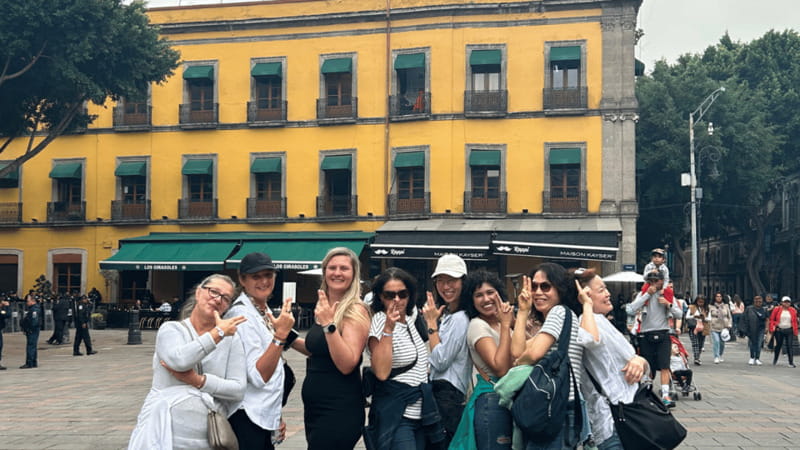
The meeting point is easy to identify if you know what to look for. Stand in front of the Metropolitan Cathedral, facing the Zócalo and its large flag. The guide should be outside on the sidewalk with a green uniform and green umbrella.
I would allow plenty of time to reach the center. The instructions recommend at least an hour for transport to the meeting point, which is sensible in a large capital where traffic and public transportation can affect your arrival.
The tour begins at the Zócalo, Mexico City’s main square. This is the right place to begin because the plaza is not just a grand open space. It is the political and symbolic heart of the capital, built over the former center of Mexico-Tenochtitlan.
Here, your guide sets up the basic story. You learn how the Aztec capital developed, how the Spanish conquest changed the city, and how later governments reshaped the area into the center of modern Mexico. The value is in seeing the square as a living place rather than only a backdrop for photographs.
The opening explanation is important, but it may test your patience if you prefer to keep moving. One past participant felt the introduction lasted too long while everyone stood in one spot. If you like detailed history, you may appreciate the context. If you are traveling with children or have limited energy, ask your guide how the talk will be paced.
More City Tours in Mexico City
- Mexico City: Teotihuacan, Tlatelolco & Guadalupe Shrine Tour
★ 4.6 · 3,773 reviews - Teotihuacan Hot Air Balloon Flight from Mexico City / Volare
★ 5.0 · 3,262 reviews - Teotihuacan Private Tour from Mexico City
★ 5.0 · 1,890 reviews
Inside the Metropolitan Cathedral
The cathedral is the first major interior stop. Its scale and layered architecture give you a quick lesson in how Mexico City changed over time. Your guide explains the building and points out details that are easy to miss when you walk through alone.
The visit lasts about 20 minutes. That is enough to see the main interior and understand its importance, but not enough for a slow architectural study. I would think of this as a guided introduction, not a full cathedral visit.
The location also helps explain the city’s past. The cathedral occupies the same central zone where Spanish power replaced the Aztec ceremonial center. You do not need to memorize every date to grasp the larger point: in Mexico City, political and religious power repeatedly built over what came before.
Templo Mayor and the Aztec city below
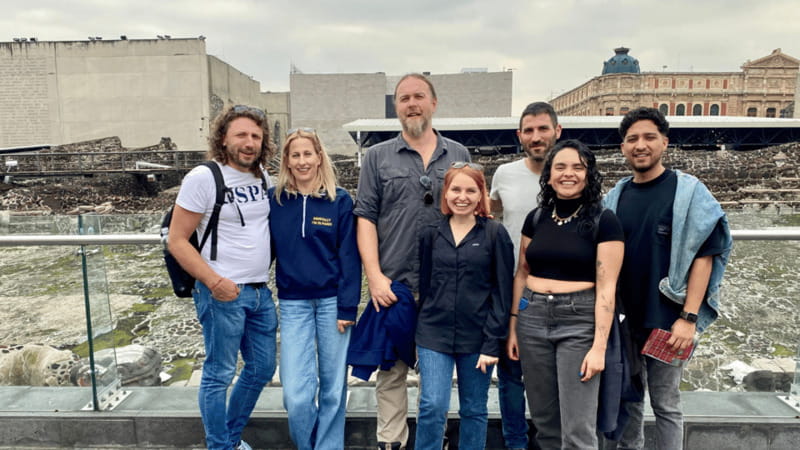
The Templo Mayor section is one of the strongest historical parts of the route. The guide discusses the ruins and the former Aztec capital while you see how the archaeological remains sit beside colonial buildings and the cathedral.
The planned guided visit lasts about 30 minutes. This is not the same as spending several hours in the Templo Mayor Museum, so set your expectations accordingly. Entrance fees are not included, and the stated route focuses on the area and its ruins. Confirm with the guide what you will enter on the day of your tour.
What makes this stop valuable is the physical evidence of the city’s earlier form. The ruins are not an abstract story in a book. They show how the modern center contains several levels of history at once.
The guides also add myths, political stories, and cultural details. Gaby, who led a Spanish-language group, was praised for linking ancient legends with modern customs. That kind of storytelling helps the site feel less like a collection of stones and more like part of a continuing national story.
Santo Domingo and the colonial city
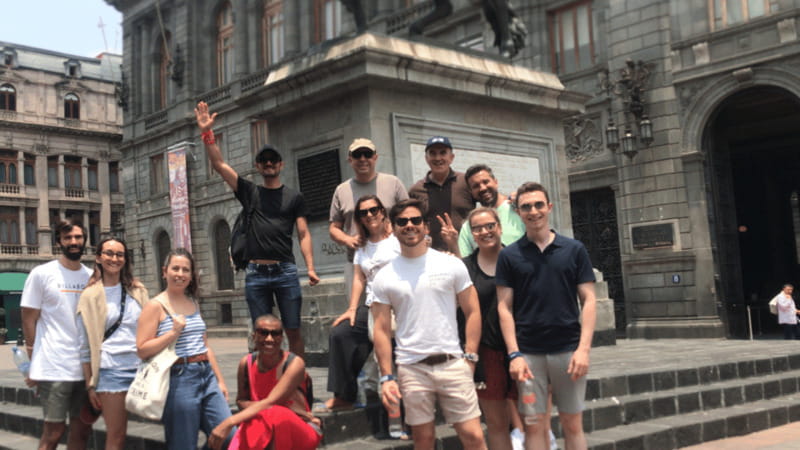
From the cathedral and Templo Mayor, the walk continues to Plaza de Santo Domingo. This is mainly a photo stop, with about 25 minutes to hear about the Dominican order and the plaza’s colonial role.
The slower pace here is useful. You can look up at the surrounding buildings, take photographs, and ask questions instead of rushing from one major monument to the next.
I would pay attention to the change in mood. The Zócalo feels like the grand civic center. Santo Domingo offers a more enclosed urban setting, where religious orders, administration, and daily commerce shaped the streets.
The tour promises some less obvious corners along the way. The exact stops can change with weather or public events, so do not expect every group to follow an identical route. That flexibility is practical in Mexico City, where a parade, ceremony, rainstorm, or crowded plaza can change the best way through the center.
More Historical Tours in Mexico City
- Historic Downtown Walking Tour
★ 5.0 · 1,289 reviews - Historic Center Food Tour in Mexico City
★ 5.0 · 1,263 reviews - Mexico City: Historic Downtown Walking Tour
★ 4.8 · 1,039 reviews - Walking Tour of the Historic Center of Mexico City
★ 5.0 · 870 reviews
Palacio de Correos and the city’s grand public face
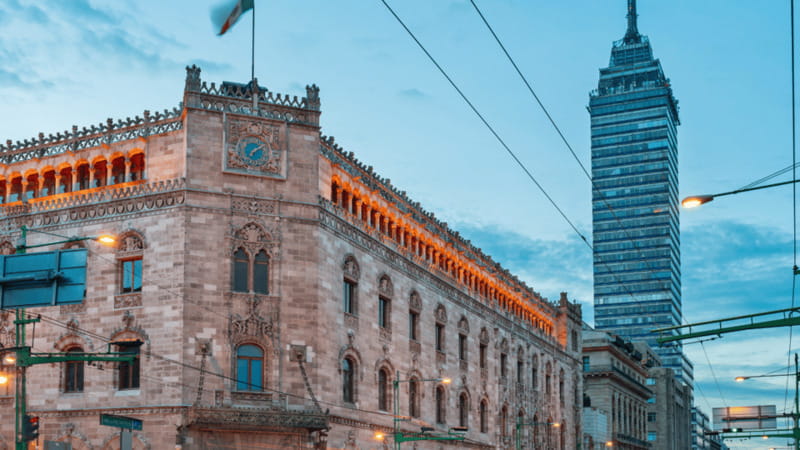
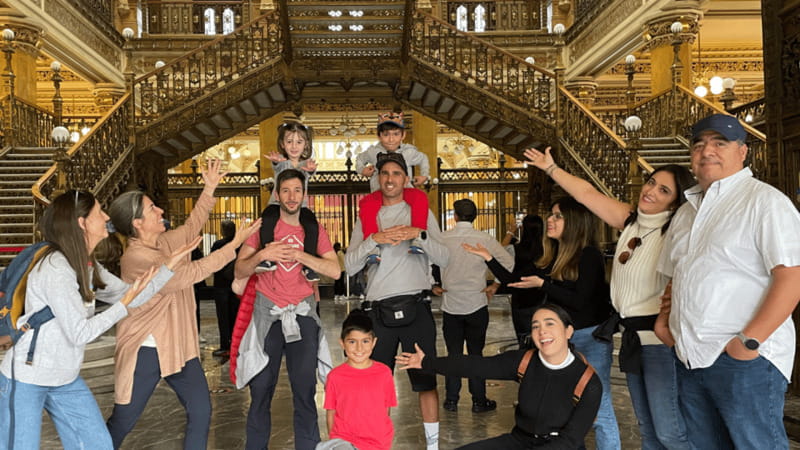
The Palacio de Correos de México is scheduled for a photo stop, a visit, and some free time, with about 25 minutes allotted. Its ornate appearance makes it one of the route’s most rewarding architectural pauses.
This stop shows a different Mexico City from the Aztec and colonial sections. The building reflects the confidence of the republican era, when public institutions used grand design to express national progress.
Because the itinerary allows free time, this is a good moment to take photographs and absorb the details at your own pace. Still, the visit is brief. If you are especially interested in the building’s architecture, plan to return later rather than expecting a full specialist tour.
The guides also use this part of the walk to connect monuments with city life. You may learn how to move around the center by public transport or receive suggestions for nearby places to eat. That practical advice is one reason I find this tour more useful than a monument-only walk.
Casa de los Azulejos and a famous street scene
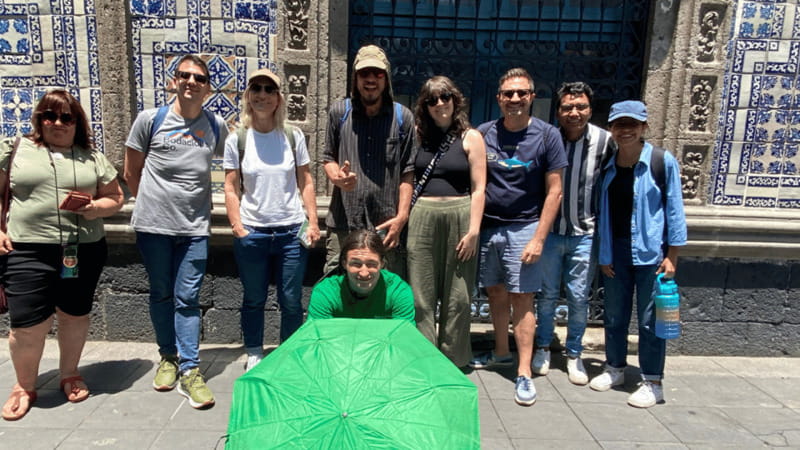
Casa de los Azulejos, or the House of Tiles, is another short photo and visit stop. The blue-and-white tiled exterior is easy to recognize and gives the walk a strong visual change after the monumental public buildings.
The scheduled time is about 20 minutes. You will have a chance to photograph the façade and hear why it matters, but the tour does not promise an extended interior visit.
This is a good example of the tour’s overall style. You see an important landmark, but the guide also points out the everyday surroundings and the less obvious details that make the historic center feel lived in. The stated goal is not simply to tick off famous buildings. It is to help you read the streets.
Ending at Palacio de Bellas Artes
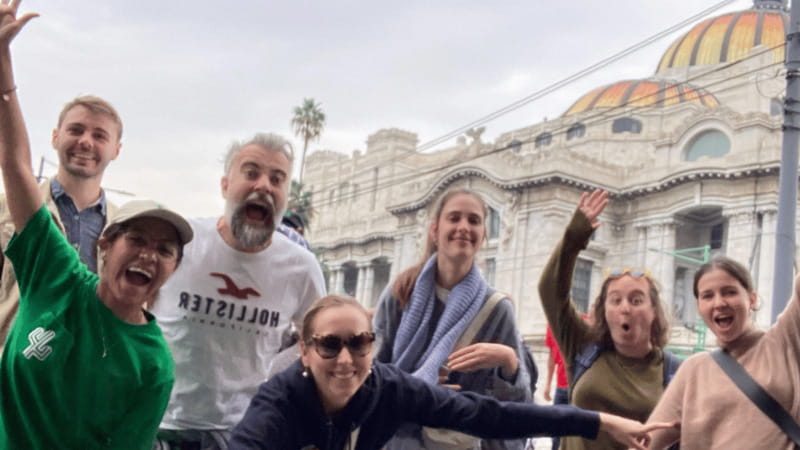
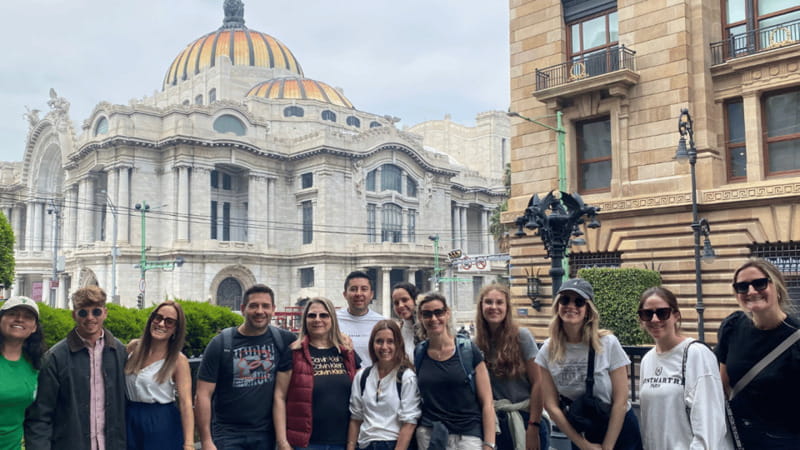
The route finishes at Palacio de Bellas Artes after a final photo stop of about 20 minutes. This gives the walk a fitting endpoint, since the building brings together architecture, public culture, and Mexico’s modern artistic identity.
You should not confuse the finish with a full museum visit. Entrance fees are not included, and the planned stop is focused on seeing and discussing the building. If you want to explore the interior galleries afterward, leave extra time and budget for admission.
Finishing here also makes the tour useful for planning the rest of your day. Guides commonly offer suggestions for other sights, food, and places to explore. Laura, Alexia, Oscar, and Luis were especially praised for giving practical recommendations beyond the route.
The history is only half the tour
The strongest part of this experience may be the bridge between monuments and daily life. You learn how locals use public transportation, how to spot more dependable food stalls, and where to look for tacos or other local dishes.
Food is not included, so carry cash if you want to buy something during the walk. That separate cost is worth keeping in mind because the tour encourages you to sample local food, but it does not provide a tasting or lunch.
I like this arrangement. You choose what to eat and how much to spend, and the guide can point you toward options that fit your interests. Just do not arrive expecting a food tour. The main product here is history and orientation, with food advice added along the way.
The guides also share curiosities and anecdotes that are not always found in standard guidebooks. These may concern political figures such as Porfirio Díaz, Pancho Villa, and Emiliano Zapata, artists such as Diego Rivera, or women who shaped the country’s story. The result is broader than a simple account of conquest and architecture.
Guide quality and group experience
The guide makes a major difference. The experience is offered in English or Spanish, and the named guides praised for their presentation include Areli, Oscar, Laura, Alexia, Luis, Gabriela, Gaby, Benjamin, Eduardo, Neza, and Thomas.
The consistent strength is not just factual detail. It is the ability to answer open questions about history, food, culture, and social life. Alexia was praised for her energy and practical lunch suggestions. Oscar was described as warm and full of stories. Thomas received praise for keeping the group engaged, though the opening could have moved along faster.
Group size can be small. One participant described a group of five, while another had six people. A smaller group gives you more room to ask questions and makes it easier for the guide to adjust the pace.
The tour can also change with local events. Neza adapted the walk to include more Day of the Dead experiences, turning a standard city introduction into something more timely. That flexibility is useful, but it also means the exact balance of stops may vary.
How much walking and preparation you should expect
The tour lasts three hours and is entirely on foot through the center. The route includes the Zócalo, cathedral, Templo Mayor, Santo Domingo, Palacio de Correos, Casa de los Azulejos, and Palacio de Bellas Artes.
Wear comfortable shoes. Bring sunglasses, a hat, sunscreen, weather-appropriate clothing, and cash. The tour runs in all weather, so do not assume rain will cancel it.
You should also bring a phone with a reachable number, preferably with WhatsApp, so the guide can contact you if plans change. Lunch is not included, and neither are drinks, transport to the meeting point, or entrance fees.
The experience is not suitable for wheelchair users. It is also listed as unsuitable for people over 95. Families can join, but the operator recommends bringing children’s toys, water, or snacks so the whole group can keep moving comfortably.
Is $30 a fair price?
At $30 per person, I see this as a fair price for a first introduction to the historic center. You are paying for three hours with a local guide, a planned route, historical context, and practical advice that can save you time during the rest of your stay.
The value is strongest if you are new to Mexico City or want the major sights explained in one connected story. It is less compelling if you already know the center well or prefer to visit every building at your own pace.
Remember the extra costs. Transportation to the cathedral, admission fees, food, and drinks are separate. The tour includes the walking route, guide, and didactic material, but it is not an all-inclusive sightseeing package.
Free cancellation up to 24 hours before the activity and the option to reserve now and pay later make it easier to fit into a changing schedule. These terms are useful, especially if your Mexico City plans depend on weather or transport.
Who should book this walk?
I would recommend it to first-time visitors who want a clear introduction before exploring the center alone. It suits people who enjoy history but also want advice on tacos, public transport, photographs, and local habits.
It is also a good choice for families with older children who can handle a three-hour walk, provided you bring water and snacks. The guides have shown they can keep younger participants interested with visual aids and memorable subjects such as quinceañera dresses.
You may want something else if you need step-free access, dislike walking in poor weather, or want long interior visits at the cathedral, Templo Mayor, Palacio de Correos, or Bellas Artes. The schedule gives you an overview, not a museum day.
My booking advice
Book this tour early in your Mexico City stay. You will finish at Palacio de Bellas Artes with a better sense of the center’s layout, its history, and where to eat afterward.
I would book it for the storytelling, local advice, and three-era structure. I would skip it only if you already have a strong plan for the historic center or want a private, slow-paced architectural tour. For $30, it offers a practical and engaging way to get your bearings fast, with enough flexibility to feel connected to the city rather than simply passing its monuments.
FAQ
Where does the Mexico City walking tour begin?
It begins outside the main entrance of the Metropolitan Cathedral, facing the Zócalo and its large flag. Look for a guide wearing a green uniform and standing with a green umbrella.
Where does the tour finish?
The tour finishes at Palacio de Bellas Artes.
How long does the walking tour last?
The tour lasts three hours.
What languages are available?
The tour is offered in English and Spanish. Some content may be presented in its original language.
What sights are included on the route?
The route includes the Zócalo, Metropolitan Cathedral, Templo Mayor, Plaza de Santo Domingo, Palacio de Correos, Casa de los Azulejos, and Palacio de Bellas Artes.
Are entrance fees included?
No. Entrance fees are not included in the $30 tour price.
Is food included?
No. Food and beverages are not included. Bring cash if you want to buy food during the walk.
What should I bring?
Bring comfortable shoes, sunglasses, a hat, sunscreen, cash, and clothing suited to the weather. A phone with a reachable number, preferably WhatsApp, is also recommended.
Does the tour operate in bad weather?
Yes. The tour takes place regardless of weather conditions, so dress appropriately and be prepared to walk in rain or sun.
More Historic Sites in Mexico City
- Mexico City Historical Centre Food Tour with 7 Authentic Tastings
★ 5.0 · 723 reviews - Private Walking Tour Gems of the Historic Center of Mexico City
★ 5.0 · 87 reviews - Mexico City: Historical walking tour of Tenochtitlan
★ 4.9 · 69 reviews - 10 wonders of the Historic Center of Mexico City food and music
★ 5.0 · 67 reviews
More Walking Tours in Mexico City
- Frida Kahlo VIP [Museum Tickets Included] Walk, Markets & Churros
★ 5.0 · 982 reviews - Anthropology Museum Private Experience Walking Tour
★ 5.0 · 355 reviews - Walking Tour in Mexico City for Exploring their Cultural Heritage
★ 5.0 · 245 reviews - Walking Tour – Impressive murals in Historical Center of Mexico City
★ 5.0 · 224 reviews
New on the Mexico City list
- Day of the Dead Tour in San Andres Míxquic From Mexico City★ 3.7 · 52 reviews
- Half-Day Tour to Teotihuacan Pyramids from Mexico City★ 5.0 · 53 reviews
- Xochimilco floating gardens, Coyoacan and UNAM murals★ 4.0 · 53 reviews
- Guided Tour of Coyoacan and Leon Trotsky Museum★ 5.0 · 53 reviews
- Gay Side of History through Plazas & Temples★ 4.5 · 53 reviews
- Flavors of Mexico City: A Tasty Urban Expedition★ 4.5 · 53 reviews
- Butterfly Monarch Tour from Mexico City★ 5.0 · 53 reviews
- From Mexico City: Cholula Pyramid & Puebla Small Group Tour★ 4.6 · 54 reviews
Mexico City Tours, compared.
Teotihuacan, Guadalupe Shrine & Tlatelolco Day Tour with Lunch
Read our review →
Xochimilco, Coyoacan and Frida Kahlo with Optional Lunch
Read our review →
Balloon flight + Breakfast in cave + Pyramids + Pick up CDMX.
Read our review →
Teotihuacan pyramids morning or afternoon without tourist traps
Read our review →
Teotihuacan Early Access Guided Tour with optional Lunch
Read our review →
Balloon flight + pick up in CDMX + Breakfast in Cave + Pyramids
Read our review →
Balloon Flight + Cave Breakfast + Pick Up from CDMX or We Fly
Read our review →
Teotihuacan, Tlatelolco & Guadalupe Shrine Tour
Read our review →Browse the lists this tour appears in